


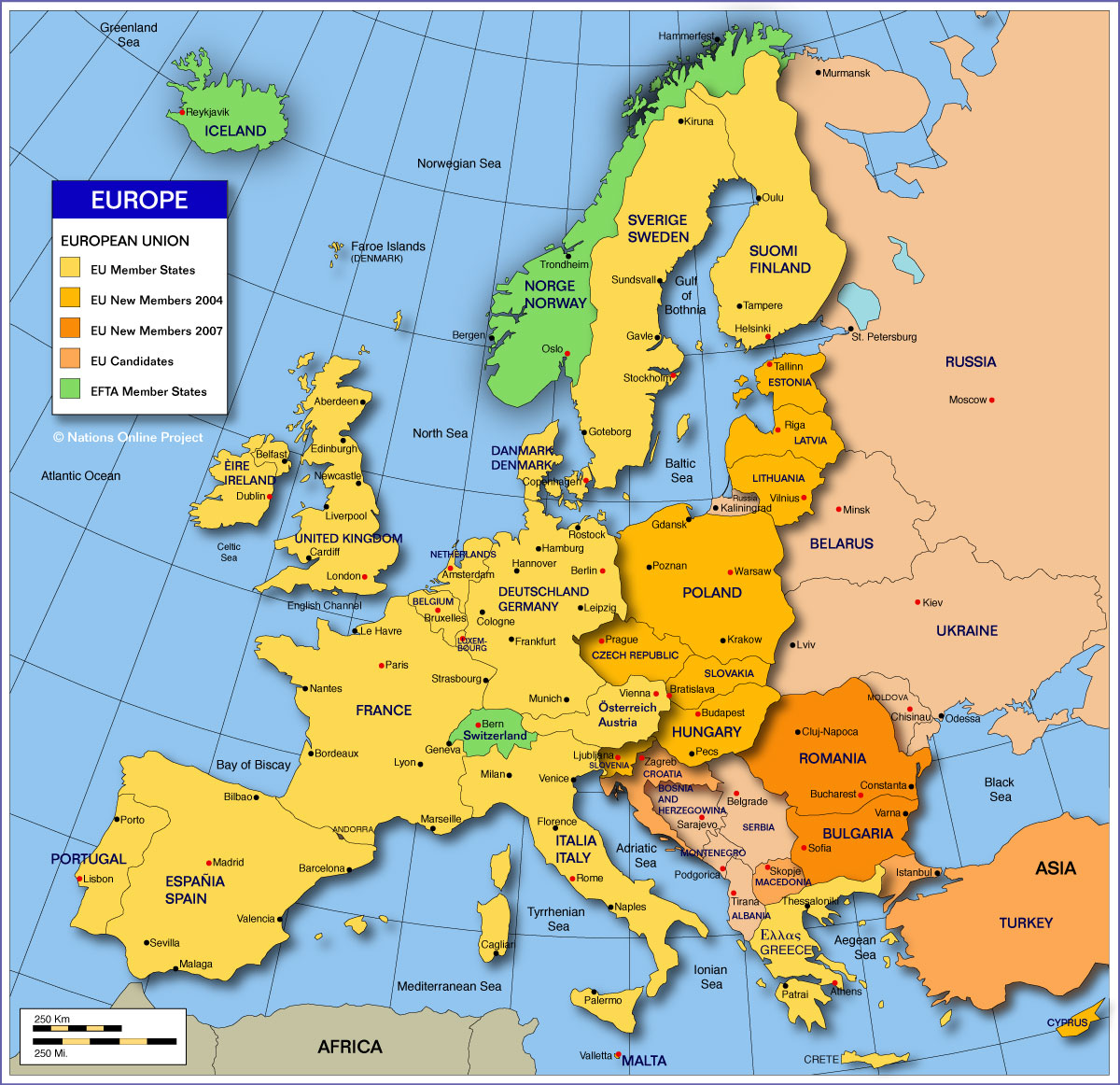
Several media outlets report that one proposal to help fund banks, and indirectly the nations in which they are based, is to use part of the 500 billion euro European Stability Mechanism meant to bail out countries like Portugal and Spain. The Financial Times reports that discussions about the possibility heated up before the G8 summit. “Senior officials said those talks have focused on using the €500bn European Stability Mechanism to directly inject capital into banks,” the paper reported. This program might exist alongside another plan to have the European Central Bank buy the sovereign bonds of Spain, among others. The ECB has objected to similar plans in the past.
The direct bank aid program may make sense on paper. Spain, in particular, has very troubled banks. Some got into that trouble because they made large numbers of loans based on real estate. The value of that real estate collapsed during the recent recession in a way similar to what happened in the U.S. The Spanish banking sector situation is so bad that Moody’s recently downgraded 16 banks based in the country, including the huge Banco Santander (NYSE: STD). The country’s chance to help these financial firms took another blow. Spain recently got into more trouble in terms of its own bailout because it missed its 2011 deficit-to-GDP ratio goal. The government said the figure was 8.9% instead of the 8.5% it has expected.
The debate about which countries in Europe to aid is extremely complex and contentious. Even the fate of Greece is constantly debated. Should its neighbors throw what many believe is good money after bad? Maybe, if it keeps the eurozone together. But, if the leaders who have the ability to potentially bail out countries cannot decide on which countries, when, and under what circumstances, how can those decisions possibly be made bank system by bank system or bank by bank?
Douglas A. McIntyre




 Top Gaining Stocks
 Top Losing Stocks