



Time to go for a T-bill and chill?
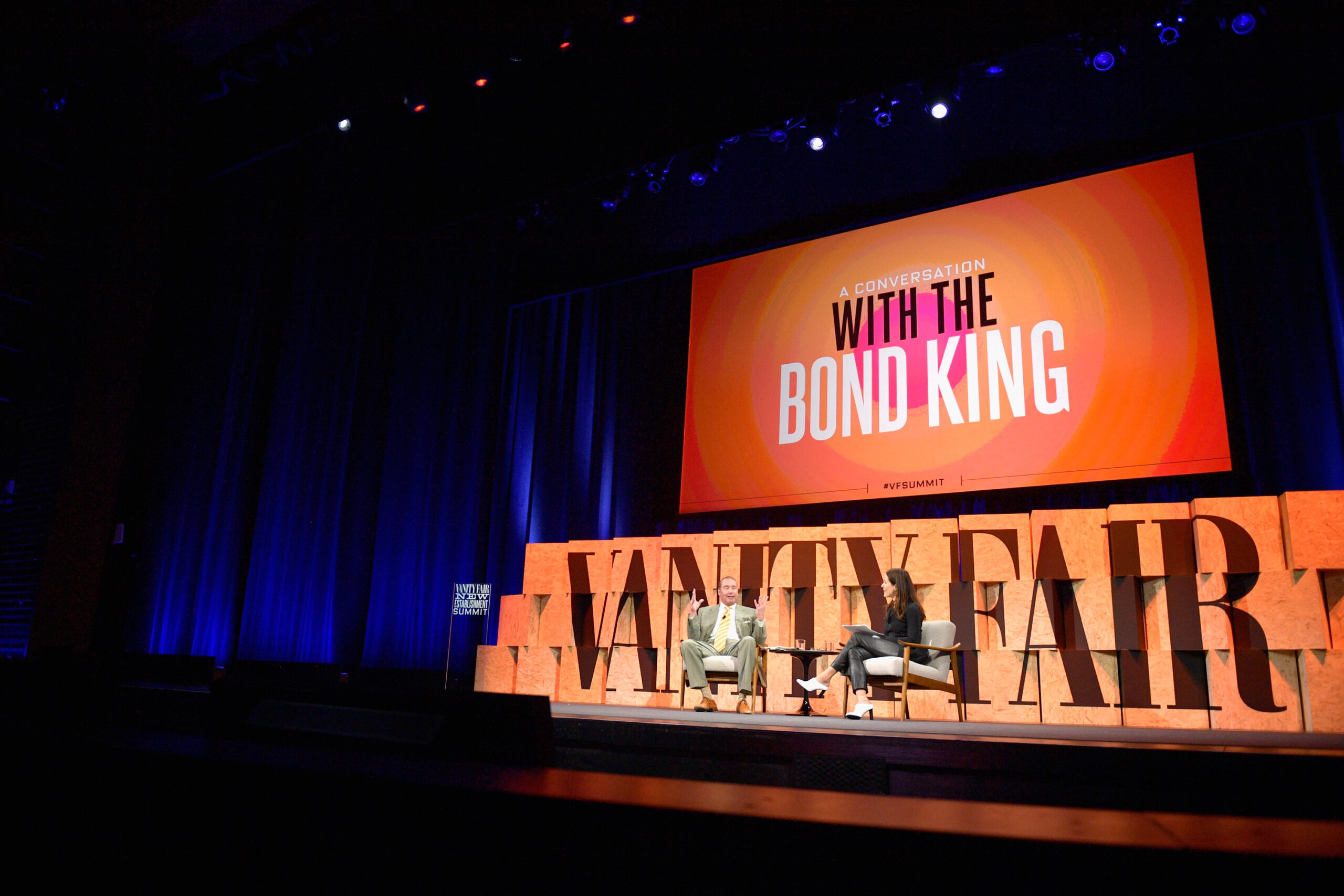
The anointed “Bond King” Jeffrey Gundlach, who runs DoubleLine Capital, was recently asked what his best investment advice was, and he noted, “T-Bill and chill.” While a clever remark, his advice may be the best as we close in on the end of a volatile year for the stock market.
Stock market strength could wane

As of Tuesday, the Nasdaq was up 35.5%, while the venerable S&P 500 had an outstanding 18.9%. The Dow Jones Industrials trailed the pack, up 6.08%. The problem for many investors is that if you didn’t own the so-called ”Magnificent 7”, you likely have not seen those gains in your portfolio.
Interest rates plunge after inflation data

While interest rates dropped sharply after the October inflation data came in slightly below expectations, many Americans face ongoing inflation at many levels. With worries over the economy mounting, Mr. Gundlach’s “ T-Bill and chill ” idea may be just what the doctor ordered for 2024.
Rates still highest since 2007
We decided to screen the current money-market savings accounts offered at major banks, which have taken in a tsunami of money as interest rates rose to their highest levels since 2007. We found three that make sense for investors looking for the highest yields, safety, and liquidity. We focused on money-market savings as opposed to traditional passbook savings.
Money market savings are insured
Like regular bank deposits, the Federal Deposit Insurance Corporation (FDIC) insures money-market savings accounts up to $250,000, and you can open as many accounts as you want at different institutions under the same name, and they are all protected. Also, they pay interest monthly, unlike many certificates of deposit or CDs.
Top bank’s money-market savings offer liquidity and online access

Many top banks in the United States offer daily liquidity and maintain a $1 par amount for their funds. In other words, depositing $1000 will stay at that level regardless of what happens in the fixed-income markets.
Lehman Brothers’ collapse broke the buck.

On Tuesday, September 16, 2008, the $62.6 billion Reserve Primary Fund “broke the buck.” That meant the fund managers couldn’t maintain its share price at the $1 value. This happened as the economy stood on the verge of collapse after the mortgage debacle that started the Great Financial Crisis. The chance of that in 2023 is de minimius.
The three top money-market savings now
In our screening mentioned above, three top money market savings accounts were found to be among the highest yielding with the safest institutions as we avoided smaller banks.
PNC Bank: High-yield savings offers a good choice because it has a relatively high rate, no monthly fees, and no minimum balance required to earn the highest annual percentage yield of 4.50%
JP Morgan Chase: Offers a high-yield savings account that yields 4.50% through their brokerage side. This is in conjunction with a securities account and only for individual investors.
American Express: According to NerdWallet, the company’s high-yield savings account ranks among the best with its above-average rates and consumer-friendly features. The current rate is 4.30%
Some certificates of deposit offer higher rates
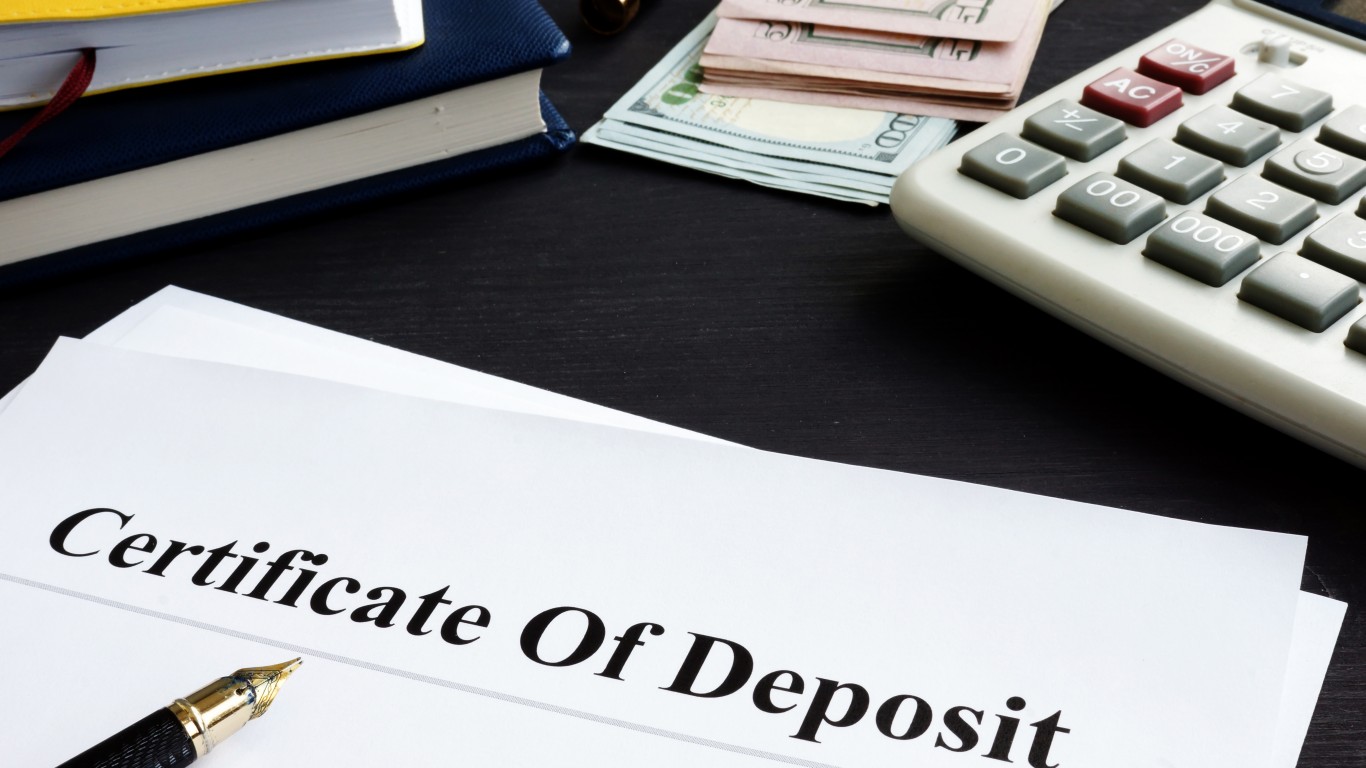
While some insured CDs offer higher rates, some as high as 5.75%, typically, these have a minimum hold period of anywhere from 7 months to five years. In most cases, there are withdrawal penalties for taking your money out before maturity.














 Top Gaining Stocks
 Top Losing Stocks