



24/7 Insights
- Tax havens are perfectly legal.
- The US has its own tax havens, such as those in states like Delaware.
- It’s very hard to recover money from a tax haven nation.
- Also: Discover “The Next NVIDIA”
For better or worse, taxes are a staple part of life, valid for individuals and corporations. In most countries, taxes are an unavoidable part of making a living, and the money used from taxes goes to funding education, medicine, infrastructure, defense, and more. The good news is that paying taxes does have some benefits, but plenty of individuals (and companies) still want to avoid paying anything to the government.
This post was updated on November 17, 2025 to clarify deposits vs profit flows, Ireland’s corporate tax rates outside of loopholes, the Netherlands, and funds that flow through Luxemburg.
What Is a Tax Haven?
When you think about a tax haven, it’s essentially defined as countries offering zero, single-digit, or even low double-digit tax rates that individuals and corporations can use. By doing so, the world’s biggest overseas tax havens help reduce your taxable income, which means more money in your pocket.
What Types of Countries Are Tax Havens?

While not globally true, many countries identifying as tax havens are smaller in land area and population size. These countries are traditionally very economically stable and have vital financial sectors. As a result, they tend to attract global corporations and super-high-net-worth people who are looking to avoid paying millions in taxes.
Are Tax Havens Legal?
For the most part, tax havens are generally legal as they are created without the sovereign jurisdiction of nations with their laws and regulations. However, things get murky when individuals and corporations use tax havens to avoid the laws of their home countries, like the United States.
When Are Tax Havens Not Legal?
Even though tax havens are legal, things can get tricky when individuals or corporations use them to avoid paying taxes. There is general agreement that tax havens may be ethical. Still, any question of legality is generally specific to individual cases of how a person or company is using a tax haven.
Can The US Recover Tax Haven Money?

Given that the US potentially loses up to $1 trillion in revenue per year due to tax havens, it begs the question of when or if the country can recover any of this money. Recovering any money from a tax haven nation is incredibly complex and would require complete cooperation from the host nation. Acts in place, such as the FATCA or tax treaties, allow for the exchanging/recovering of tax dollars bilaterally.
10. Jersey

- Estimated deposits: $500 billion
- Corporate tax: 0% (10% for financial service companies)
- Income tax: 20% maximum
- Famous companies: Apple, Deloitte, Suntera Global
No Corporate Taxes
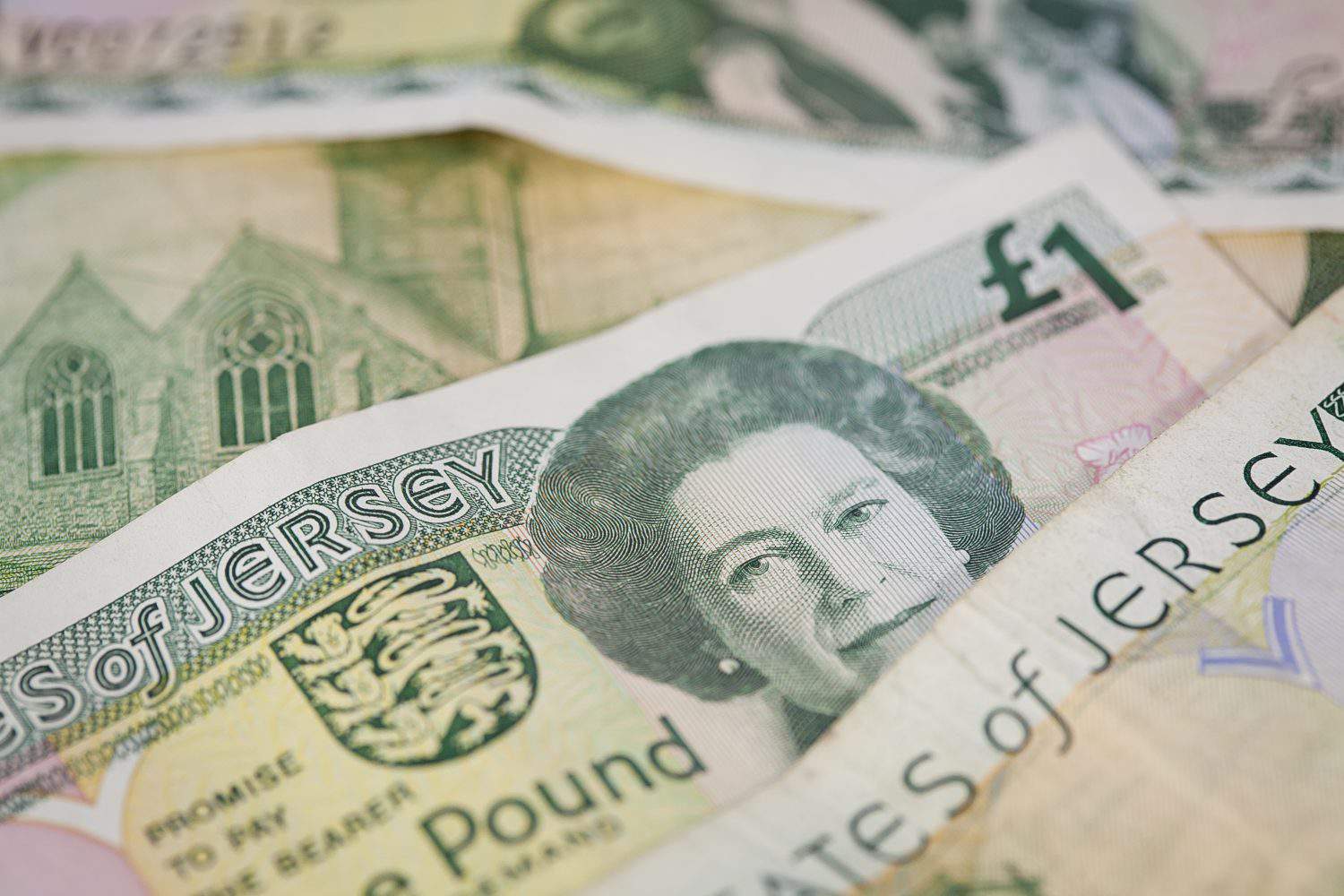
With fiscal sovereignty, Jersey can set its tax rates. As a result, Jersey is highly regarded as a tax haven without any inheritance, corporate, wealth, or capital gains taxation. In addition, Jersey is considered a “Golden Visa” situation for high net-worth individuals and only charges 1% on income over $850,000.
9. Bahamas
- Estimated deposits: $300-$400 billion
- Corporate tax: 15%
- Income tax: 0% (not on income, inheritance, or gifts)
- Famous companies: Shell, Chevron, JP Morgan Chase, Goldman Sachs
It’s Better In The Bahamas
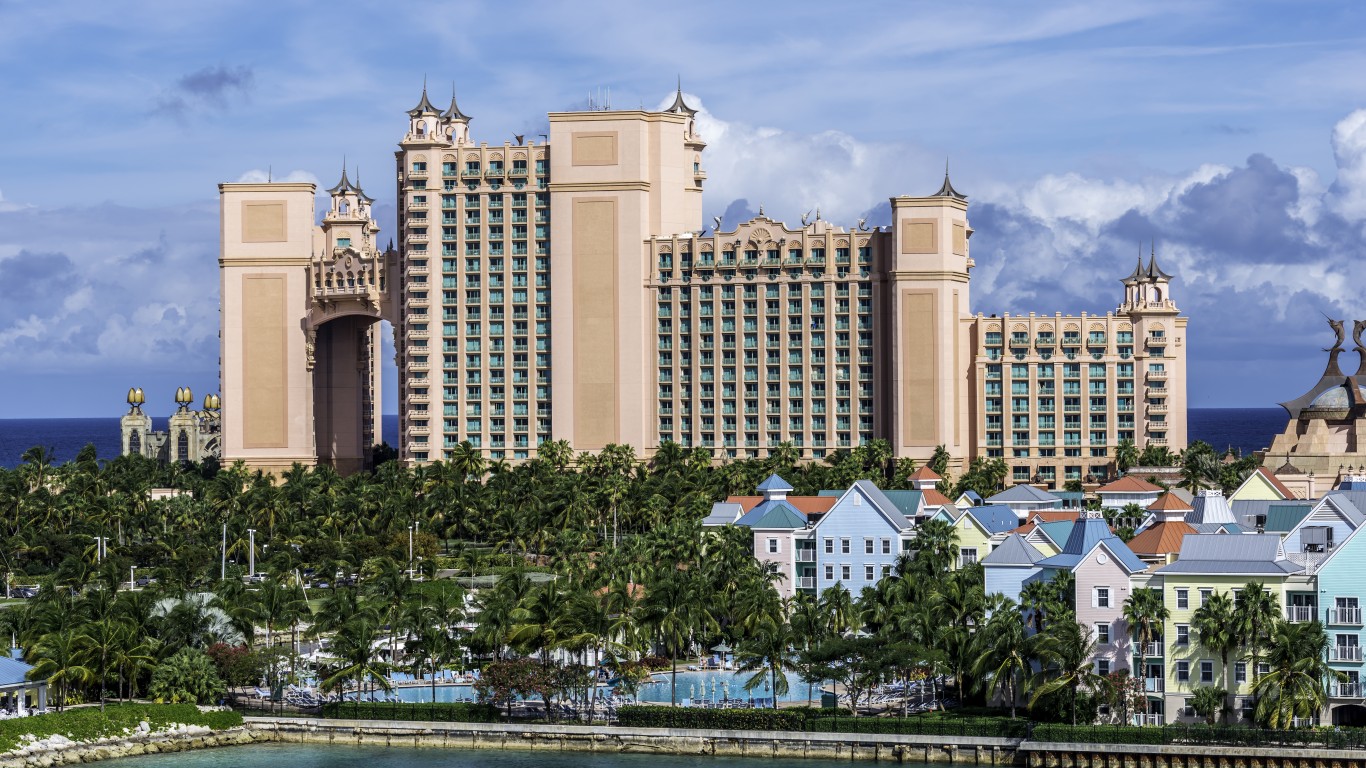
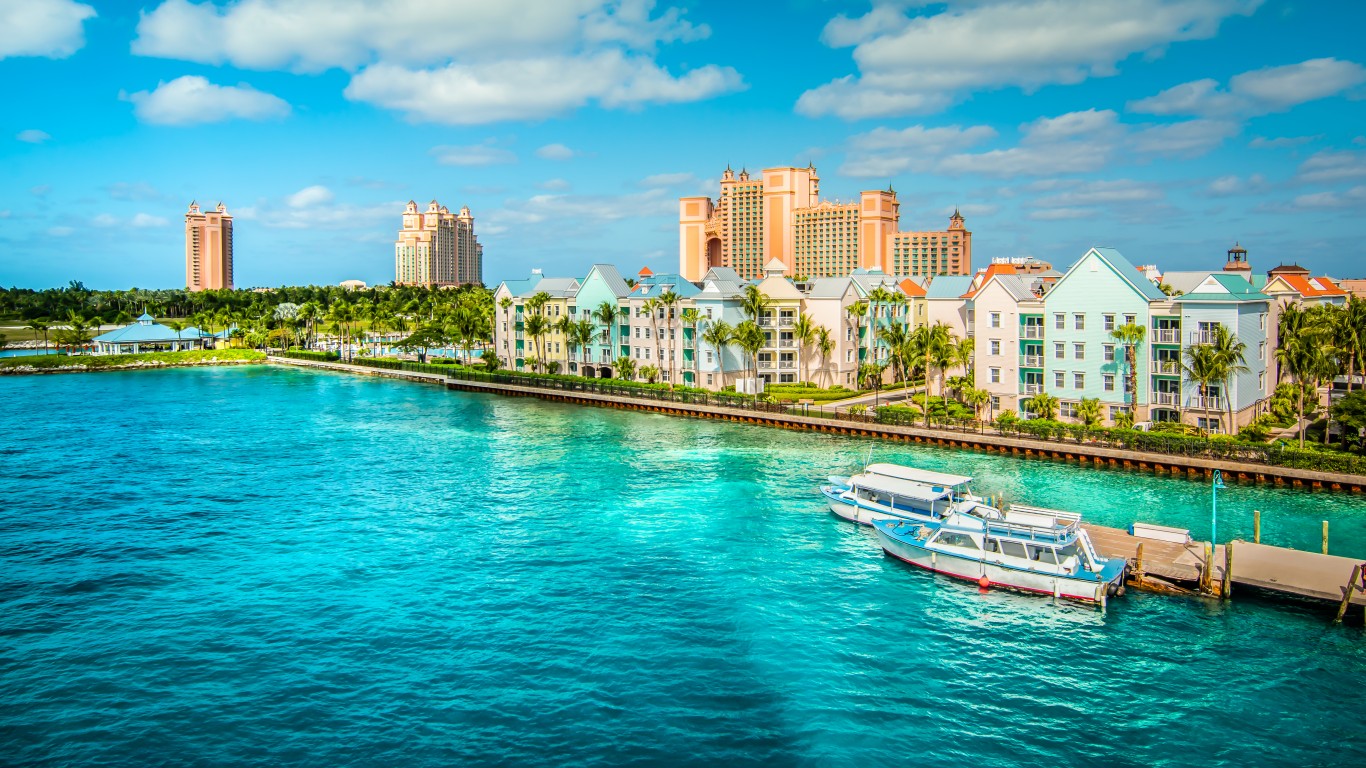
While the Bahamas are a beautiful holiday destination, they are also well known for hosting companies like Goldman Sachs and JP Morgan Chase. After legislation passed in the 1990s enabling the incorporation of offshore companies, both European and US corporations have a presence on the island with its secretive banking laws.
8. British Virgin Islands

- Estimated deposits: $700 billion
- Corporate tax: 0%
- Income tax: 0%
- Famous companies: Secretive haven for companies
No Royal Taxes
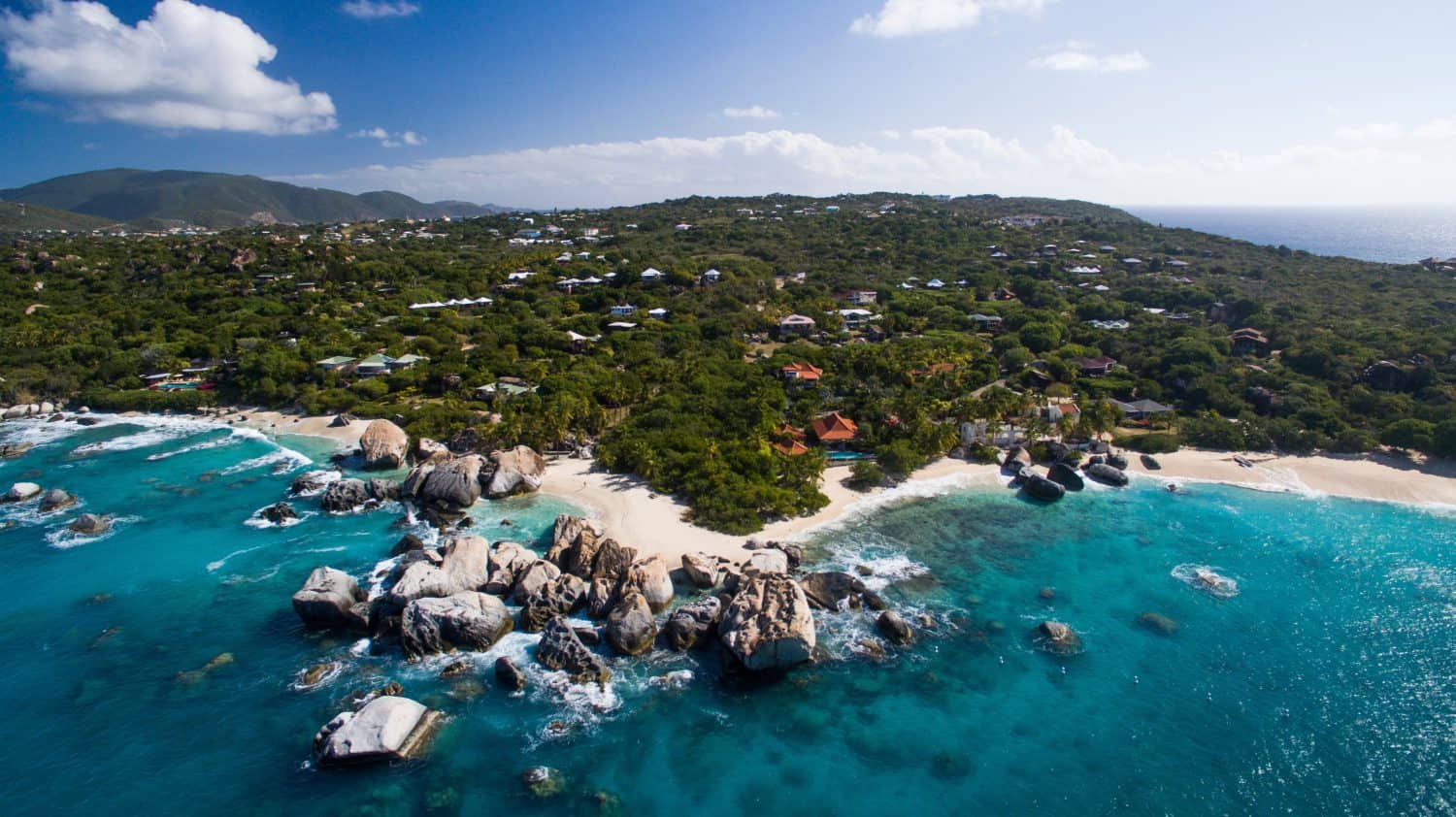
Home to more than 400,000 companies, or more than 1,000% of the country’s population, the British Virgin Islands are a definite tax haven. As a British Overseas Territory, it attracts significant UK businesses, and taxes are not paid on offshore corporations, nor is there any capital gains tax or tax on profits.
7. Ireland

- Estimated offshore assets / profit flows: Hundreds of billions
- Corporate tax: 12.5% (increasing to 15% for large multinationals under OECD rules)
- Income tax: 20% on income up to the standard band; 40% above
- Famous companies: Apple, Google, Meta, Microsoft, Pfizer
A Corporate Favorite
Ireland is not officially considered a “tax haven” under the OECD definition, but it is one of the most important profit-shifting hubs in the world. For years, multinationals used tools like the “Double Irish” and “Single Malt” to reduce their effective tax rates, sometimes to well under 5%, though these loopholes have largely been closed since 2020. Even so, Ireland continues attracting tech and pharmaceutical giants through generous R&D deductions, intellectual property incentives, and a large English-speaking workforce. Because of these factors, Ireland routinely records enormous GDP distortions from multinational tax planning.
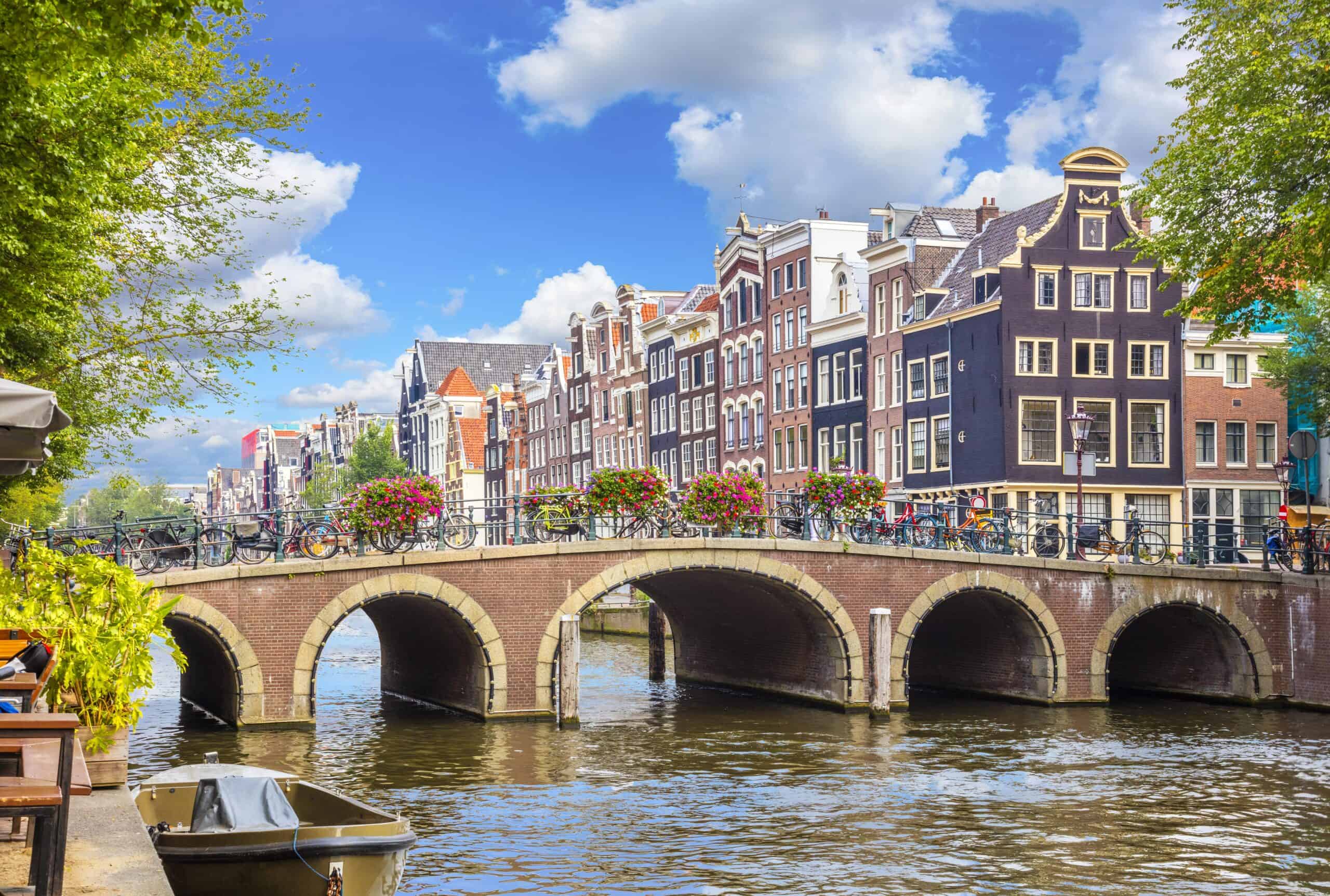
6. Netherlands
- Estimated offshore assets / profit flows: $800 billion
- Corporate tax: Up to 25.8%
- Income tax: Up to 49.5%
- Famous companies: Nike, Netflix (holding entities), General Electric, Heinz
Dutch Sandwich Strategy
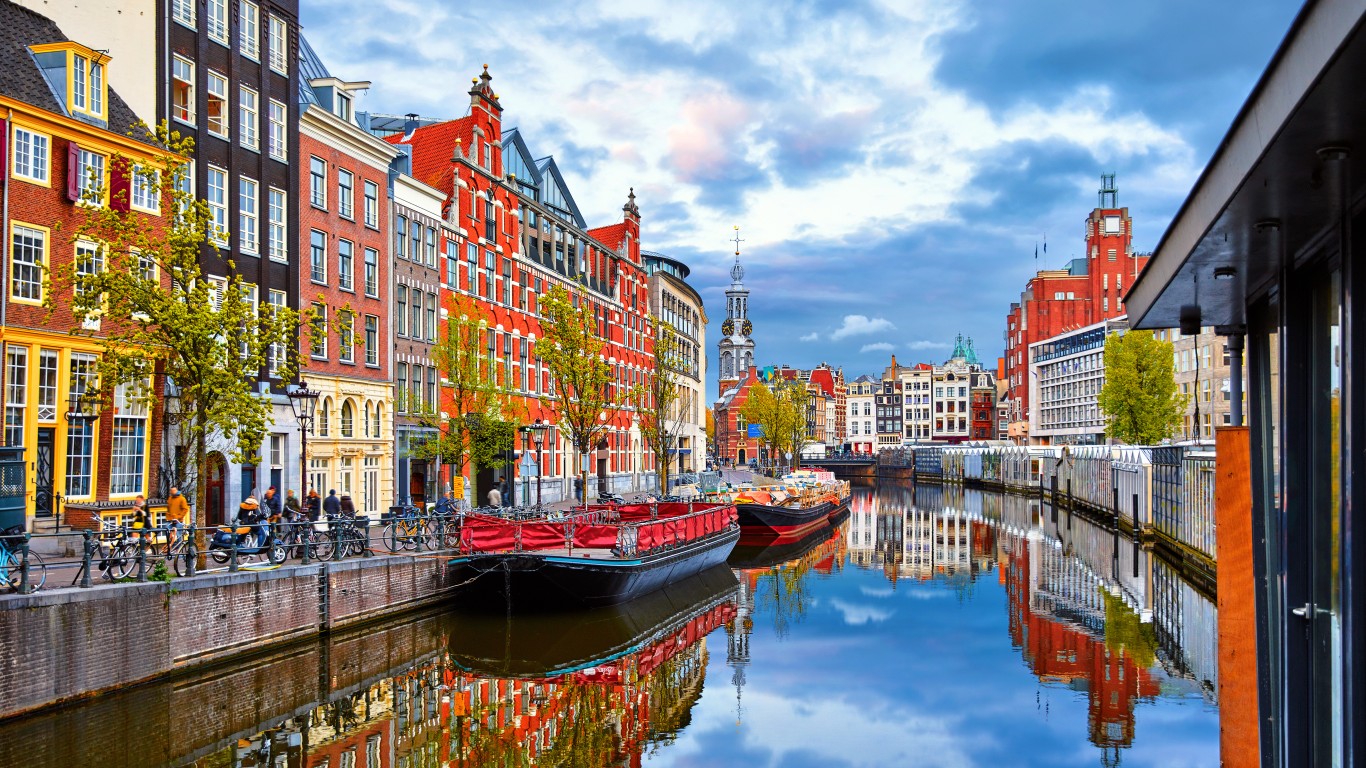
The Netherlands is often considered a conduit jurisdiction, meaning it allows multinationals to route profits through Dutch subsidiaries to minimize taxes owed elsewhere. This is done through Special Purpose Entities (SPEs), lenient withholding rules, and an extensive network of tax treaties. While the Dutch government has taken steps to curb aggressive tax planning—especially after 2021—large volumes of global corporate profits still flow through Dutch entities each year. The “Double Irish with a Dutch Sandwich” loophole is mostly closed, but the Netherlands remains one of the most widely used corporate gateways in Europe.
5. Luxembourg

- Estimated offshore assets / assets under management: Approx. $4–5 trillion in investment funds
- Corporate tax: Up to 24.94%
- Income tax: Up to 42%
- Famous companies: Amazon, PepsiCo subsidiaries, IKEA holding companies
Multiple Fortune 500 Companies
Luxembourg is one of the world’s largest centers for investment funds, second only to the United States. While its headline corporate tax rate is not especially low, Luxembourg offers highly specialized tax rulings, intellectual property incentives, and flexible corporate structures, making it a major hub for multinational subsidiaries. Leaks like LuxLeaks (2014) revealed how Fortune 500 companies used Luxembourg to reduce their effective tax rates dramatically. Amazon, for example, routed European revenue through Luxembourg for years before restructuring in 2021.
4. Singapore

- Estimated deposits: $1 trillion
- Corporate tax: 17% flat rate
- Income tax: Up to 22%
- Famous companies: Google, Pfizer, Facebook
Plenty of Incentives

Long considered a tax haven for wealthy Americans, Singapore’s tax scale caps out at 22%. However, where things get interesting is that money earned outside the country is not subject to any taxes, on top of incentives the country offers to bring money into the country.
3. Hong Kong

- Estimated deposits: $1.1 trillion
- Corporate tax: 8.25% on the first $2 million, 16.5% on the remainder
- Income tax: Up to 17%
- Famous companies: Google, Alibaba, Starbucks
Asian Powerhouse

One of the most important financial hubs in all of Asia, Hong Kong has long been home to international wealth. With a tax rate capped at 17%, it’s significantly lower than most Western nations. Also, Hong Kong has no capital gains tax, increasing its appeal to corporations.
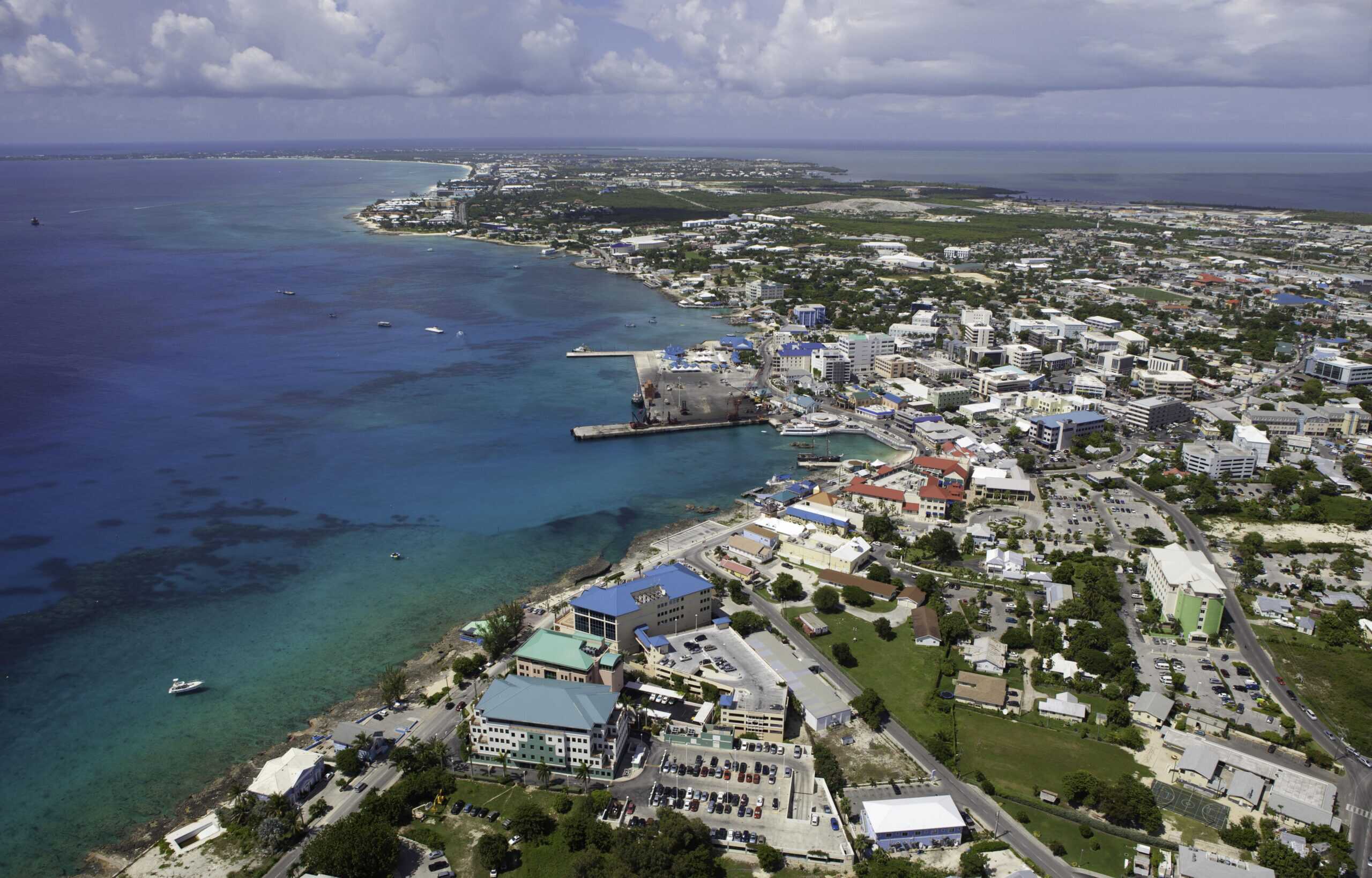
2. Cayman Islands Asian Powerhouse
- Estimated deposits: $1.5 trillion
- Corporate tax: 0%
- Income tax: 0%
- Famous companies: Pfizer, Alibaba, GlaxoSmithKline
No Corporate Taxes

Believed to host 1/15th of the world’s banking assets, the Cayman Islands have no corporate tax and do not impose direct taxes on residents. This includes taxes on property, payroll, and income, making it a hugely popular place to create subsidiaries for Pepsi, Wells Fargo, and Marriott brands.
1. Switzerland

- Estimated deposits: $2.3 trillion
- Corporate tax: 8.5%
- Income tax: Up to 41.5%
- Famous companies: Notorious for secrecy
Famously Secretive Laws

Arguably the best-known tax haven in the world, Switzerland is known for its strong financial privacy laws. As a result, it has been a top choice for wealthy individuals and corporations with advantageous tax policies. Switzerland also has fanatically strong privacy laws around finances and is a stable economy.









 Top Gaining Stocks
 Top Losing Stocks