


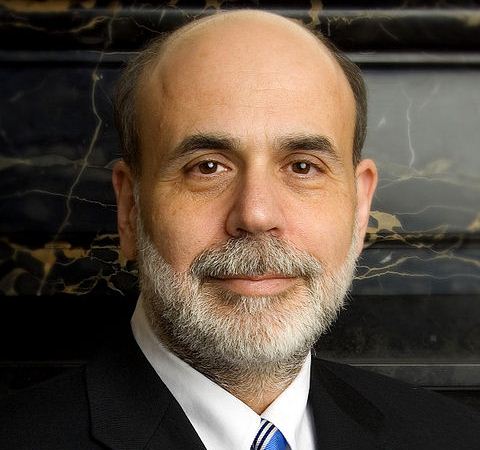
After looking briefly through the wording here it seems as though there was no solid direction nor timeline for the tapering. Even the hawks who were leaning toward tapering seemed to be disappointed by the economic data at the time. This was also still before the government shutdown and before the debt ceiling expiration was upon us. We can only imagine that these hawks have less powerful claws or talons now.
We have no intention of painfully paraphrasing “Fed-Speak” artists like Ben Bernanke and the rest of the members. Esther George was the sole dissenting vote, but even her call to begin tapering the bond buying effort seems to have less of a tone compared to prior comments.
Here are some of the verbatim takeaways that we think readers should hang their hats on.
- The information reviewed for the September 17-18 meeting suggested that economic activity continued to increase at a moderate rate. Private-sector employment rose further in July and August, but the unemployment rate was still elevated. Total consumer price inflation picked up in recent months but continued to be modest, and measures of longer-run inflation expectations remained stable.
- Private nonfarm employment continued to expand in July and August, but at a somewhat slower pace than in the first half of the year, while total government employment edged down on balance… The labor force participation rate also decreased, leaving the employment-to-population ratio essentially unchanged in recent months. Other indicators of labor market activity also were mixed.
- Manufacturing production increased in August after a decline in July… but broader indicators of manufacturing production pointed to moderate increases in factory output in the near term.
- Real personal consumption expenditures (PCE) were flat in July. In August, nominal retail sales, excluding those at motor vehicle and parts outlets, edged up, while sales of light motor vehicles rose notably.
- Improvements in housing-sector activity appeared to slow.
- Growth in real private expenditures for business equipment and intellectual property products appeared to be subdued going into the third quarter.
- Reductions in real federal government purchases appeared to persist.
- Total U.S. inflation was about 1.5% over the preceding 12-month period.
- Measures of labor compensation indicated that increases in nominal wages were still subdued.
- The move in interest rates (upwards that is) appeared to be importantly influenced by shifting expectations about monetary policy.
- Stock prices for financial-sector firms underperformed the broad equity market somewhat over the intermeeting period.
- Recent information about household credit was mixed.
- Bank credit declined in July and August amid the general rise in longer-term interest rates.
- The monetary base continued to expand rapidly, primarily reflecting the rise in reserve balances resulting from the Federal Reserve’s asset purchases.
- The increase in yields appeared to reduce investors’ appetite for taking duration risk, but if a significant volume of bond investors moved to sell at a future time, issues surrounding dealer capacity and willingness to make markets in volatile conditions could again amplify price movements.
- The staff’s forecast for real GDP over the medium term also was revised down somewhat.
As for the rest, you can see that below in a link to the formal release.








 Top Gaining Stocks
 Top Losing Stocks