


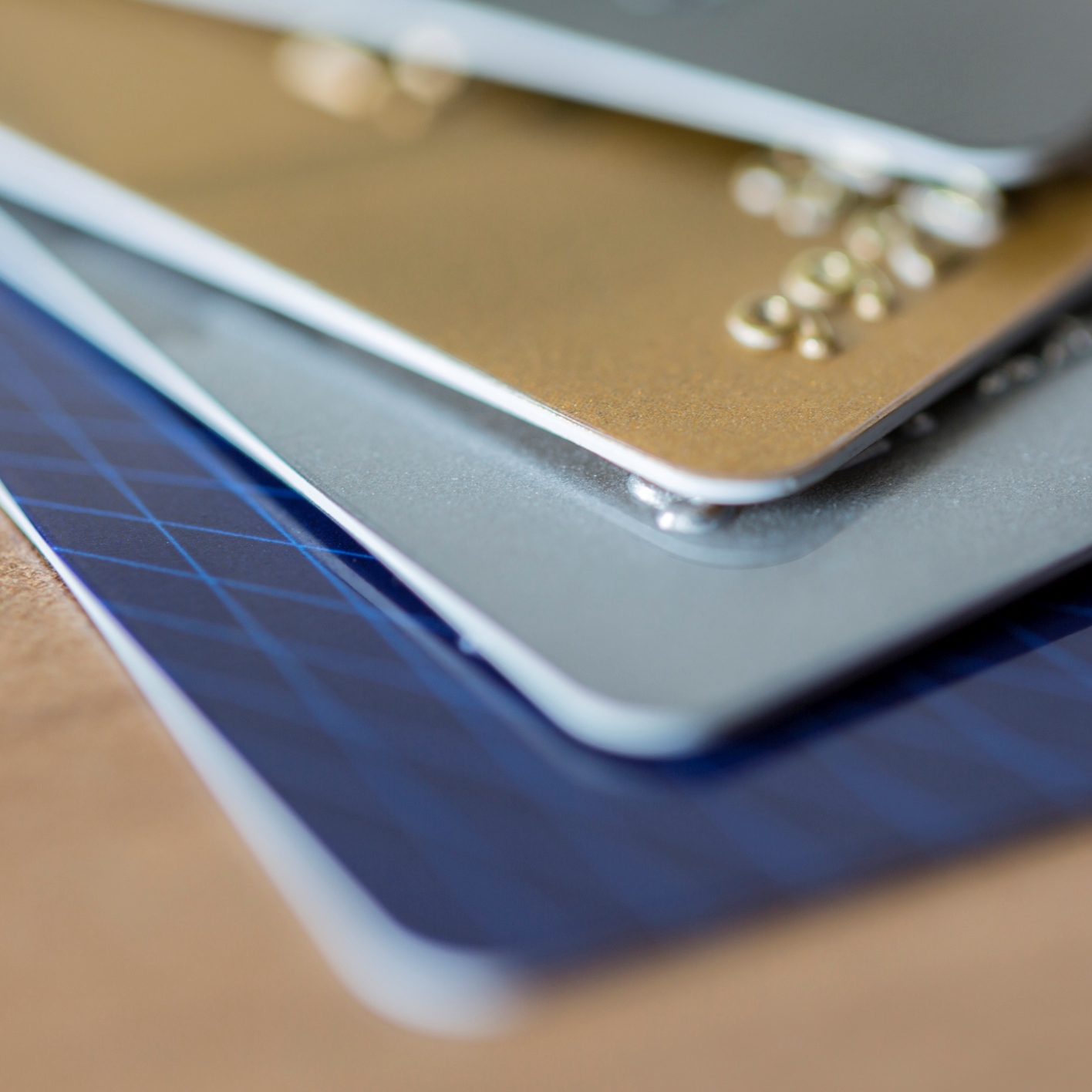
Many consumers choose reloadable, prepaid cards instead of bank checking accounts either because they prefer a card that behaves like a checking account or because they don’t have bank accounts of any kind. There is little regulation on card issuers, however, and consumers are not often aware of either the number or costliness of the fees associated with prepaid cards.
What makes this a big deal are the numbers of these cards now in use. By one estimate about a quarter of all U.S. households used a reloadable debit card in 2014, and according to Federal Reserve statistics more than 3 billion transactions were made on the cards in 2012.
Creditcards.com, a subsidiary of Bankrate, recently looked at 10 reloadable, prepaid cards that consumers can purchase from big retailers, drugstores, grocery stores and payday lending stores to which cards offered consumers disclosure standards that have been recommended by the Consumer Financial Protection Bureau (CFPB).
Only three cards met the CFPB standards proposed in November 2014 and are on track to be finalized this summer: the Bluebird and Serve cards from American Express Co. (NYSE: AXP) and the prepaid Visa Gold card from Green Dot Corp. (NYSE: GDOT).
[nativounit]
Most of the cards accept paycheck direct deposit, can be used to pay bills online and to get cash at ATMs. Using a transaction network such as Visa, the cards can be used at retailers all over the country. In other words, the prepaid cards closely duplicate the services consumers get from a credit or debit card.
But not all prepaid cards are alike in what fees they charge, the amount of those fees, and even how many fees they apply per transaction. CreditCards.com has a chart showing which cards do and do not disclose which fees. The reviewers noted:
Prepaid cards differ from banks in several big ways. Most banks wouldn’t charge you to deposit cash or take out money from the bank’s own ATMs. But nonbank prepaid cards may have a fee to load cash and may not offer a fee-free ATM. They may even charge you each time you use the card to buy something – or for not using it enough.
The fees charged by cards sold through payday lenders can be especially steep:
[Prepaid cards sold by payday lenders] have a mix of potential fees that can rack up high costs for the unwary. Opt+ charges $2 for each purchase, unless you enroll in a plan with a monthly fee of $8.95. The monthly fee drops to $5.95 if you enroll in direct deposit that automatically loads your paycheck onto the card. The ACE Elite card charges $1 to $2 per purchase, or a monthly fee of $9.95. The monthly fee drops to $5 with direct deposit of at least $500 a month.
Knowledge is power, and knowing what a card’s fees are and how they work in concert can save consumers significant money. Here’s an example from CreditCards.com:
[E]ven a relatively low-fee card such Green Dot can be costly, depending on use. A user making 20 purchases a month, four ATM withdrawals and four cash reloads could pay as much as $35.75 in fees. But knowing how fees are structured, the same user could cut the monthly cost to $5.95, the amount of the monthly service fee. And even that fee can be eliminated with direct deposit of a paycheck, bringing monthly costs to $0.
Between mid-2011 and May 1, 2016, the CFPB had received 4,950 complaints related to prepaid cards, the lowest number of any specific category. Debt collectors have received the most complaints, more than 230,000, over the same time period.
[wallst_email_signup]








 Top Gaining Stocks
 Top Losing Stocks