


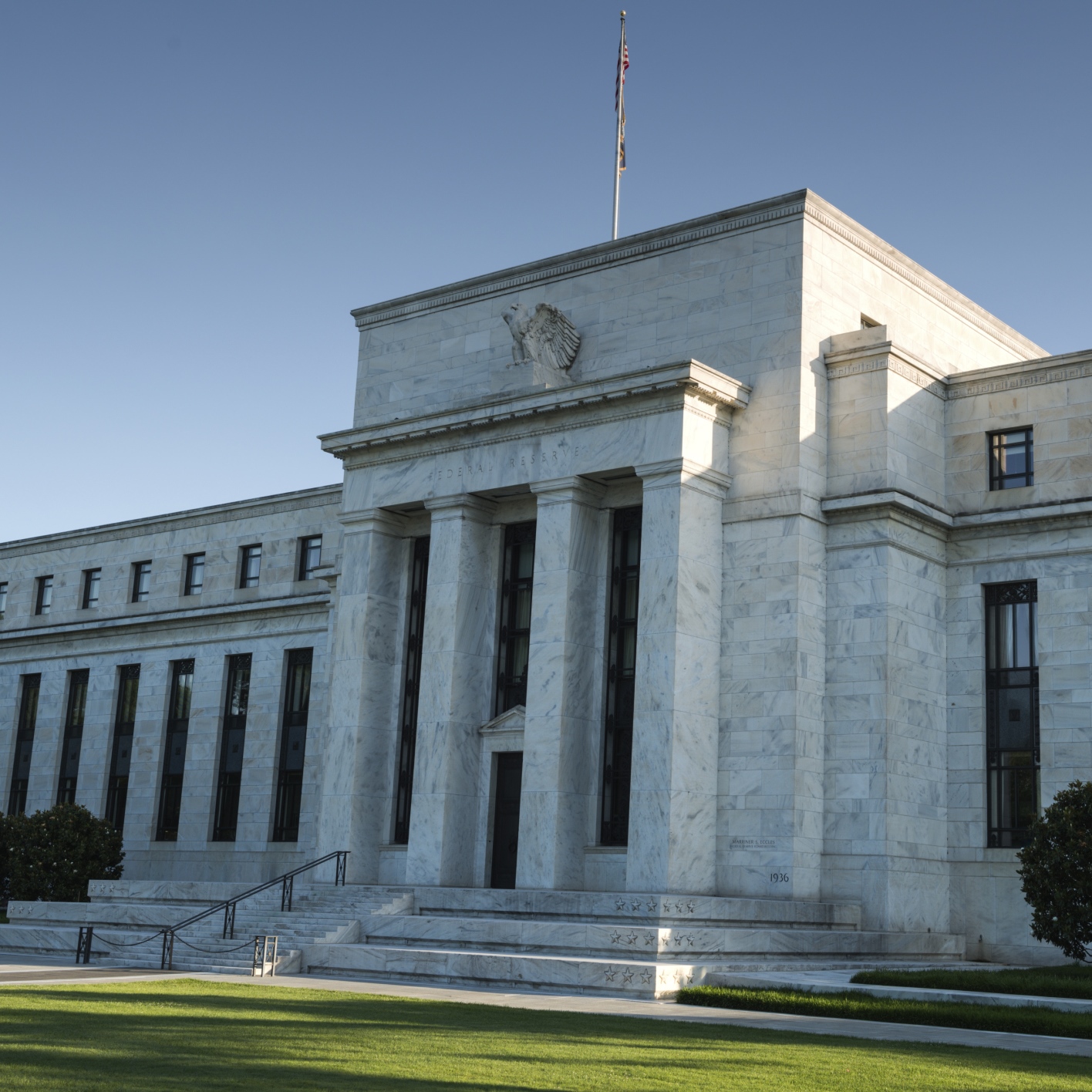
The Federal Open Market Committee (FOMC) minutes from its July meeting were released Wednesday and provide little new information about where the Fed might be headed with interest rates for the rest of this year.
According to the minutes, “many” think that the most appropriate course of action is to wait for additional information on employment and inflation before raising interest rates. In Fedspeak, “removing monetary policy accommodation.”
“Some other participants,” however, think that recent developments indicate that raising rates sooner rather than later is called for, with “a couple of them” calling for an increase at the July meeting itself.
[nativounit]
All but one of the voting members approved the following action:
The Committee currently expects that, with gradual adjustments in the stance of monetary policy, economic activity will expand at a moderate pace and labor market indicators will strengthen. Inflation is expected to remain low in the near term, in part because of earlier declines in energy prices, but to rise to 2 percent over the medium term as the transitory effects of past declines in energy and import prices dissipate and the labor market strengthens further. Near-term risks to the economic outlook have diminished. The Committee continues to closely monitor inflation indicators and global economic and financial developments.
The lone dissenter was Esther George, president of the Kansas City Fed who sought a 25-basis point increase in the policy rate at the meeting:
Information available since the June FOMC meeting showed solid employment growth, economic growth near its trend, and inflation outcomes aligning with the Committee’s objective. Domestic financial conditions had eased since the U.K. referendum. She believed that monetary policy should respond to these developments by gradually removing accommodation, consistent with the prescriptions of several frameworks for assessing the appropriate stance of monetary policy. She believed that by waiting longer to adjust the policy stance and deviating from the appropriate path to policy normalization, the Committee risked eroding the credibility of its policy communications.
The next FOMC meeting is currently scheduled for September 20 and 21.
Equities got a bit of a boost after the minutes were released, but the hike didn’t last long.
[wallst_email_signup]







 Top Gaining Stocks
 Top Losing Stocks