


 Shares of car parts supply retailer, AutoZone (AZO), are trading at a 52 week high at $158.00. The company has a market cap of $8.7 billion. GM’s market cap is only a little over $1 billion, even though its revenues are 25 times greater than AutoZone’s.
It is not unusual for the typical American car owner to have a 5-year-old vehicle with 100,000 miles on it. At this point the car will not have a warranty and generally it is owned outright by the driver. Car owners are waiting much longer before trading their old autos in for new ones. A generation ago, it was not unusual for middle class Americans to buy a new model every two or three years. That is no longer an option even with car prices and incentives as attractive as they have ever been. The American consumer is frankly too terrified to take on a monthly payment that could be in the hundreds of dollars to buy or lease a new car.
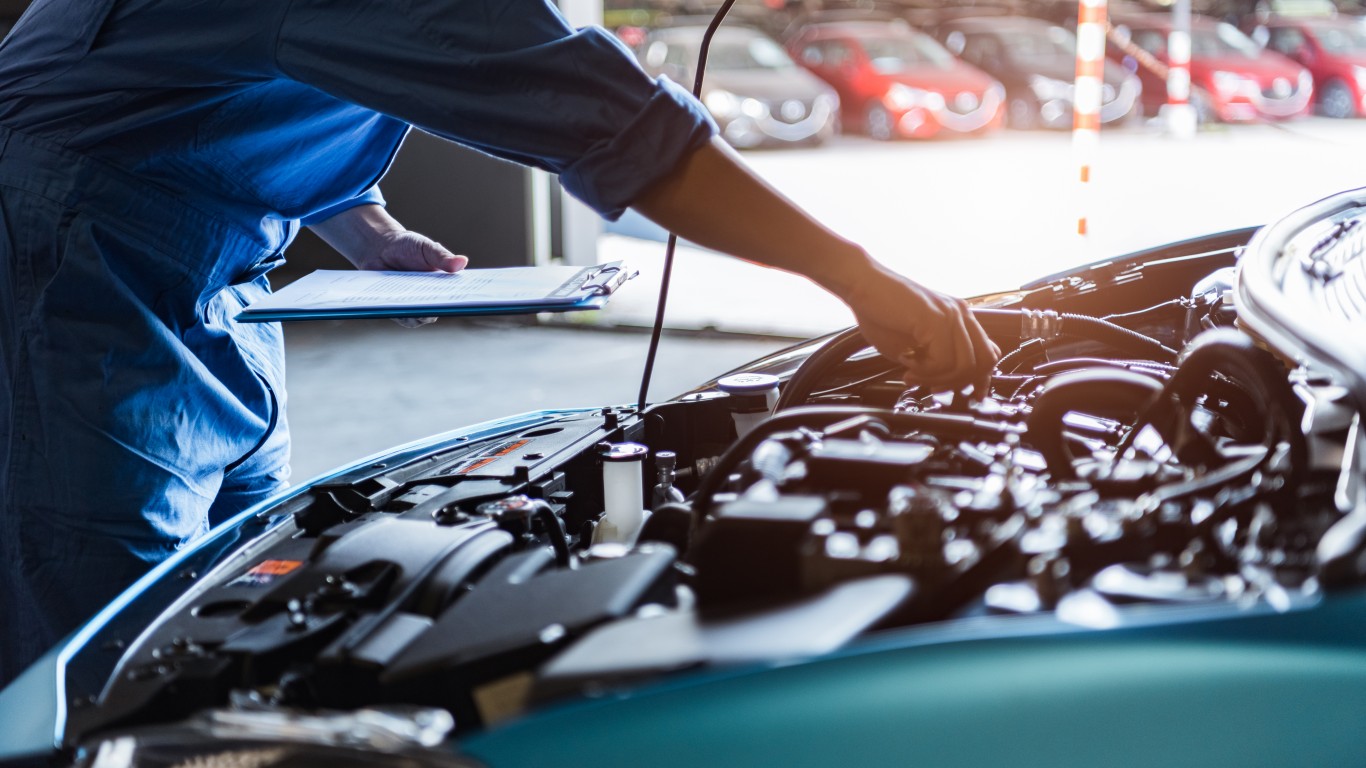
The car owner who has a 2002 Mercury Grand Marquis probably paid about $30,000 for it. The car is probably worth $5,000 now. A person with modest experience and skills with auto repairs can rebuild that car for about $5,000. The car will need new breaks. It will cost $500.00 to replace the brakes with all the parts. Approximately $800 will be required to replace most of the moving parts in the air conditioning system. Another $200 will get the owner a new exhaust system. It is likely that the alternator will also need to be replaced after 5 years for $250. The internal light bulbs will run $3 each. Broken head lights are another $50 each. The big expenses are major repairs to the drive train and internal engine. A new fly wheel, along with an axle shaft, differential bearing, and wheel bearing could cost as much as $900, all required to rehab that drive train. The internal engine has cylinder heads which cost $600, sealed pistons at $250, a head gasket set for $215, a timing set for $265, and a $60 oil pan. A new set of reasonably priced tires will cost $400.
Finally the repair manual will cost $200.
The total cost of upgrading the car so that it will run another 2 years, of course, assumes that the owner has about $3000 worth of tools.
People clearly do not replace everything that is run down in their cars all in one day. That is at the core of the dilemma that the car companies face. It is probably less expensive to repair a car over time than it is to buy a new one.
This change in the habits of American car buyers will not go away as the recession ends. Consumers have learned a too painful lesson. There is nothing attractive enough about anything that is new, whether it is a car, a digital camera or a boat to justify financial anxiety. By most estimates sales of light vehicles in the United States in 2009 will drop to about 10 million. Three years ago that number was closer to 16 million. Even if the economy begins to expand at the same rate at which it was in the middle of this decade, the potential car buyer has a long list of reasons to keep the one he has.
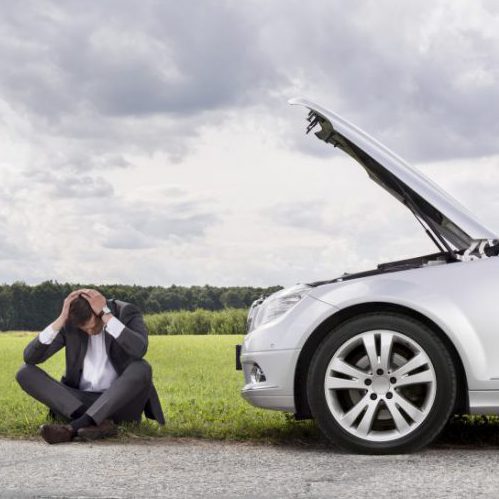
The dilemma facing the car companies is that owners in the recession hope that they can keep their cars operable by spending a few hundred dollars a year on repairs.









 Top Gaining Stocks
 Top Losing Stocks