Why No One Wants to Buy an Electric Car

Photo of Douglas A. McIntyre
By Douglas A. McIntyre Published
This post may contain links from our sponsors and affiliates, and Flywheel Publishing may receive compensation for actions taken through them.

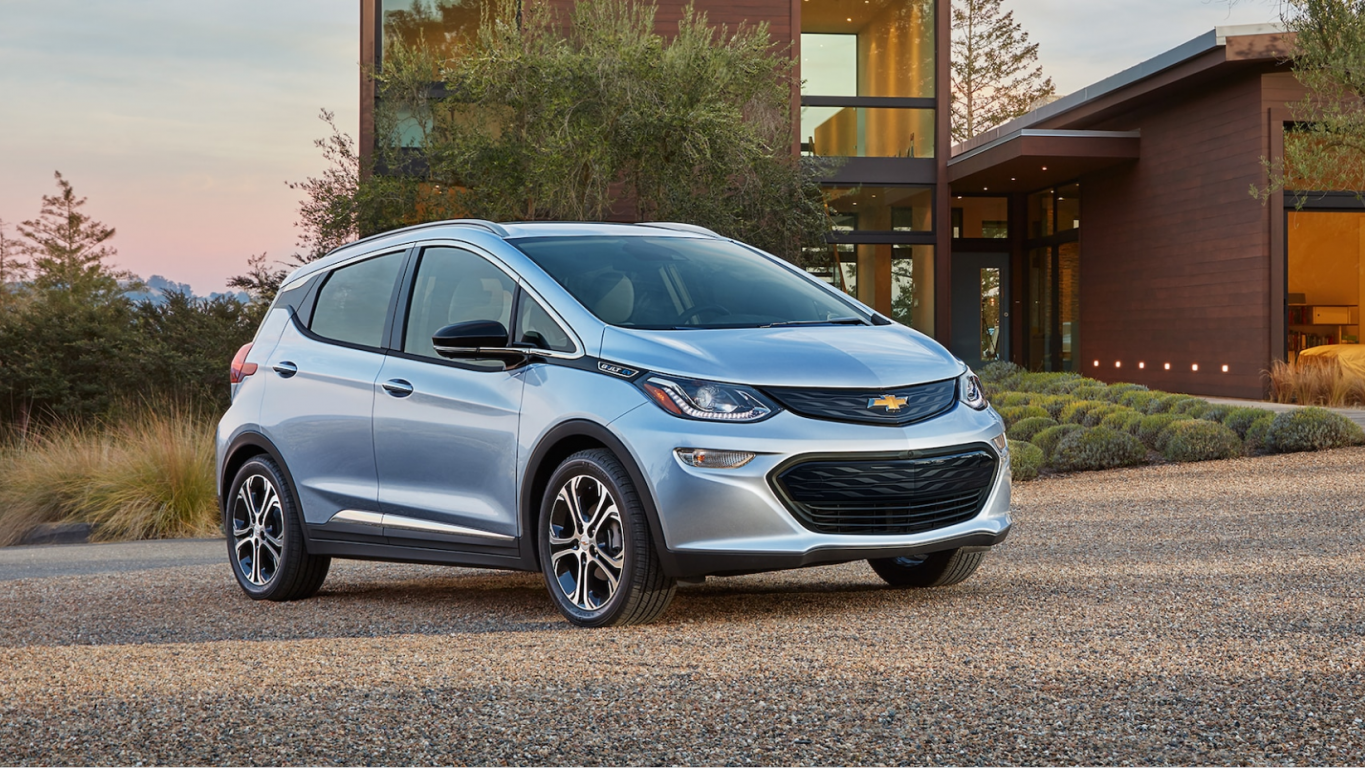
The very modest success of Tesla Motors Inc. (NASDAQ: TSLA) has been used as proof that the electric car has come of age and demand for these autos will soar. Nothing could be further from the truth. Major car manufacturers have found they have to reduce the prices of their electric cars by thousands of dollars to bring buyers into showrooms. These vehicles have too many drawbacks for the average buyer, who is quite different from the very rich who can afford a Tesla.

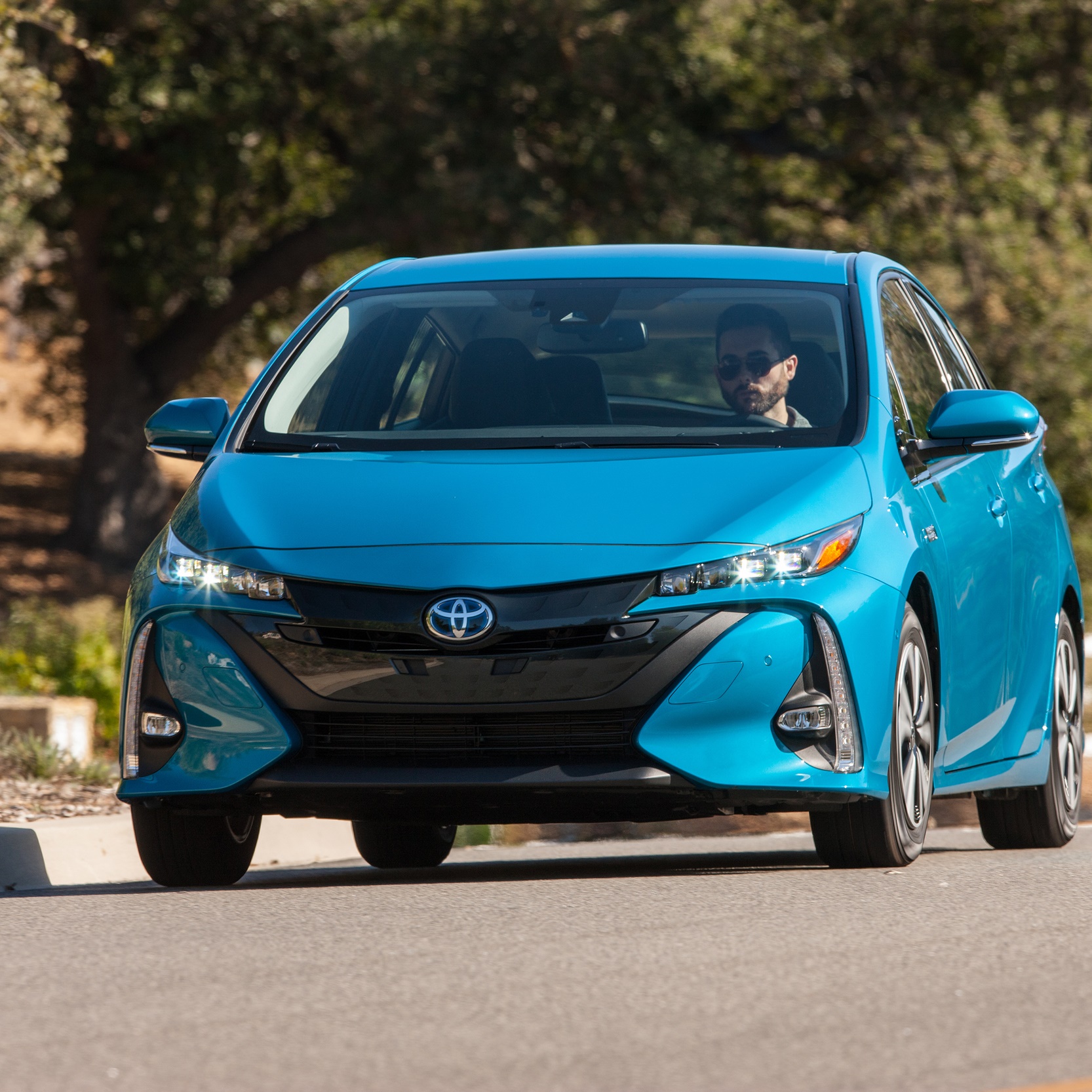
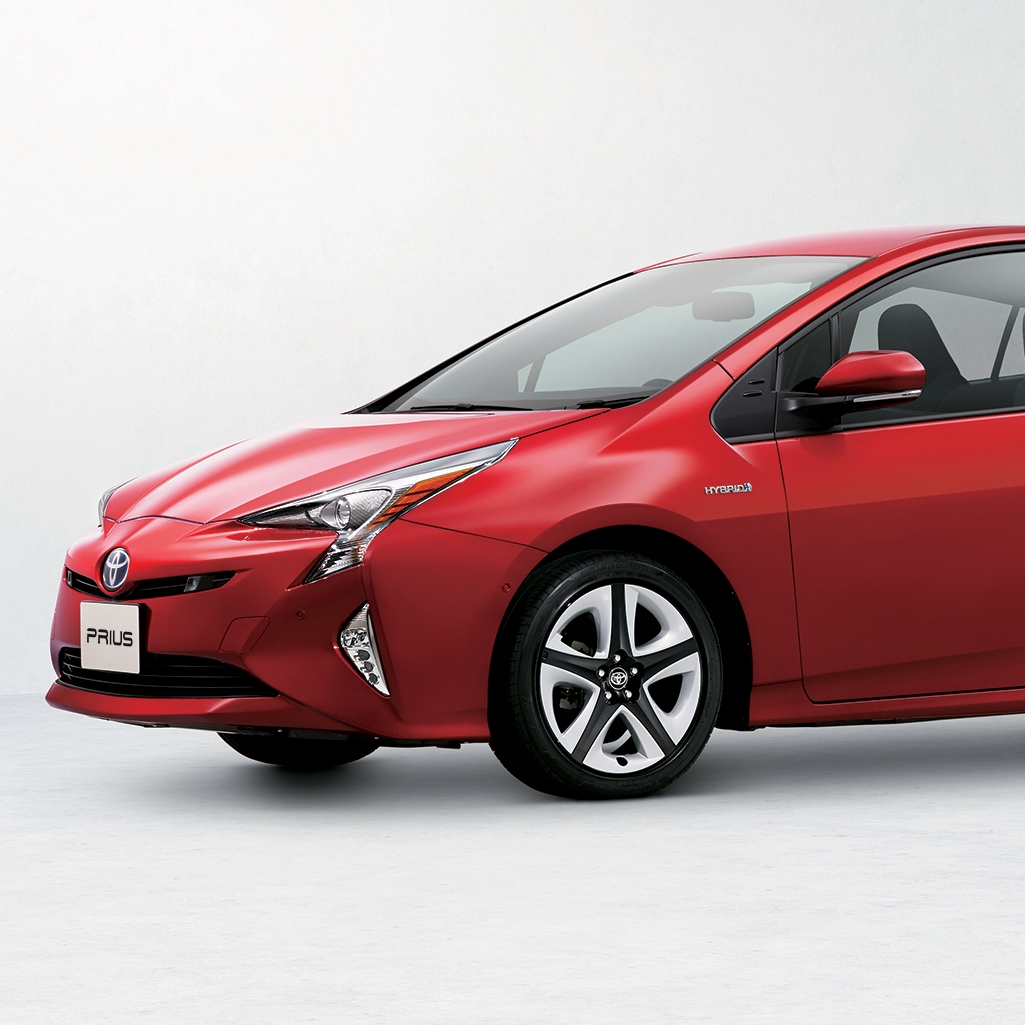
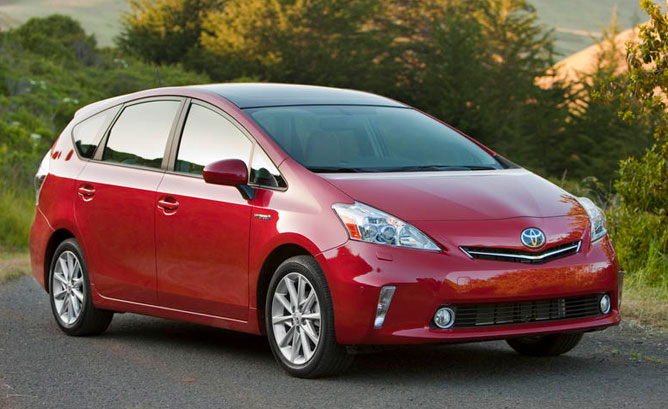
Toyota Motor Corp. (NYSE: TM) has just lowered the price of its Prius Plug-in. Car companies do not do this kind of thing if models are selling well. The Japanese car company announced:

Toyota’s most advanced technology passenger car, the Prius Plug-in, will be available to customers at a substantially reduced price beginning with the 2014 model year.

Toyota has reduced MSRP on the 2014 Prius Plug-in Hybrid by over $2,000, making the starting MSRP $29,990 (excluding DPH). This price repositioning on the base Prius Plug-in Hybrid is not accompanied by any reduction in vehicle content.

“Price repositioning” is another way of saying deep discounts are the only way that Toyota can hope to sell the Prius Plug-in.

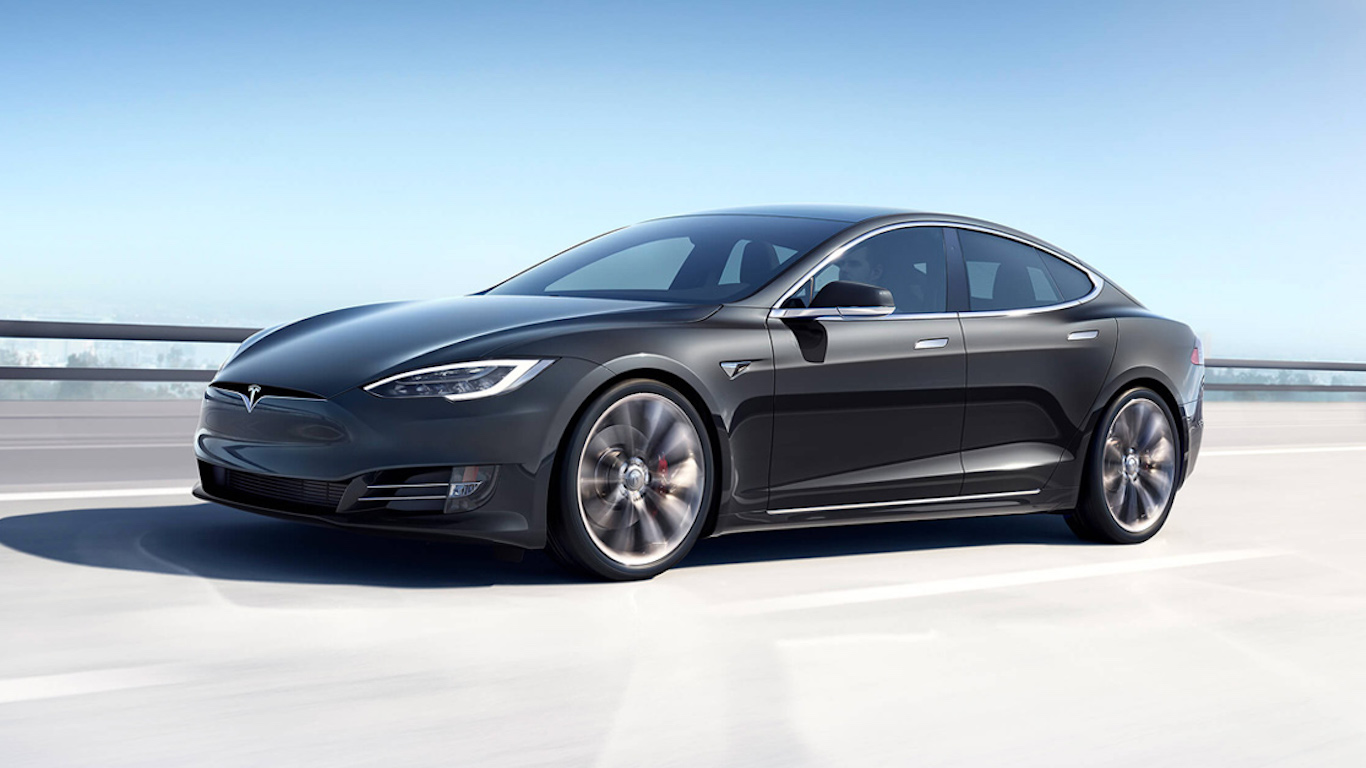
While skeptics about the usefulness and eventual popularity of electric cars had a setback because of the growing popularity of the Tesla, its sale of only a few thousand cars a quarter makes it nothing more than a toy for the wealthy. A fully loaded Tesla S has a sticker price just below $90,000. Buyers have to wait two or three months to get one. Tesla apparently does not make enough of them.

If any electric car aimed at the mass market should sell well, it is the Prius Plug-in. It is part of the fabulously successful Prius line, which made the hybrid car a mainstream product. But the brand association has not helped, nor has the fact that the Plug-in gets 95 mpg.

People are afraid of electric cars, not because they may be dangerous, but because they are impractical. A fully charged battery cannot take the car as far as a hybrid or gas engine can. There are not charging stations all across Ohio and Iowa. As a matter of fact, the car is not available in all 50 states.

Electric cars are not useful for the average American, who wants to simply get in a car and go, and sometimes go a long way. The driver of that old-world car can count on finding a gas station on hundreds of thousands of corners and a mechanic who can fix the car when it is broken.


Photo of Douglas A. McIntyre
About the Author Douglas A. McIntyre →

Douglas A. McIntyre is the co-founder, chief executive officer and editor in chief of 24/7 Wall St. and 24/7 Tempo. He has held these jobs since 2006.

McIntyre has written thousands of articles for 24/7 Wall St. He is an expert on corporate finance, the automotive industry, media companies and international finance. He has edited articles on national demographics, sports, personal income and travel.

His work has been quoted or mentioned in The New York Times, The Wall Street Journal, Los Angeles Times, The Washington Post, NBC News, Time, The New Yorker, HuffPost USA Today, Business Insider, Yahoo, AOL, MarketWatch, The Atlantic, Bloomberg, New York Post, Chicago Tribune, Forbes, The Guardian and many other major publications. McIntyre has been a guest on CNBC, the BBC and television and radio stations across the country.

A magna cum laude graduate of Harvard College, McIntyre also was president of The Harvard Advocate. Founded in 1866, the Advocate is the oldest college publication in the United States.

TheStreet.com, Comps.com and Edgar Online are some of the public companies for which McIntyre served on the board of directors. He was a Vicinity Corporation board member when the company was sold to Microsoft in 2002. He served on the audit committees of some of these companies.

McIntyre has been the CEO of FutureSource, a provider of trading terminals and news to commodities and futures traders. He was president of Switchboard, the online phone directory company. He served as chairman and CEO of On2 Technologies, the video compression company that provided video compression software for Adobe’s Flash. Google bought On2 in 2009.

Featured Reads

Our top personal finance-related articles today. Your wallet will thank you later.

Continue Reading

Top Gaining Stocks

CBOE Vol: 1,568,143
PSKY Vol: 12,285,993
STX Vol: 7,378,346
ORCL Vol: 26,317,675
DDOG Vol: 6,247,779

Top Losing Stocks

LKQ
LKQ Vol: 4,367,433
CLX Vol: 13,260,523
SYK Vol: 4,519,455
MHK Vol: 1,859,865
AMGN Vol: 3,818,618