Toyota Challenges Tesla With Hydrogen Fuel-Cell Car

Photo of Douglas A. McIntyre
By Douglas A. McIntyre Published
This post may contain links from our sponsors and affiliates, and Flywheel Publishing may receive compensation for actions taken through them.

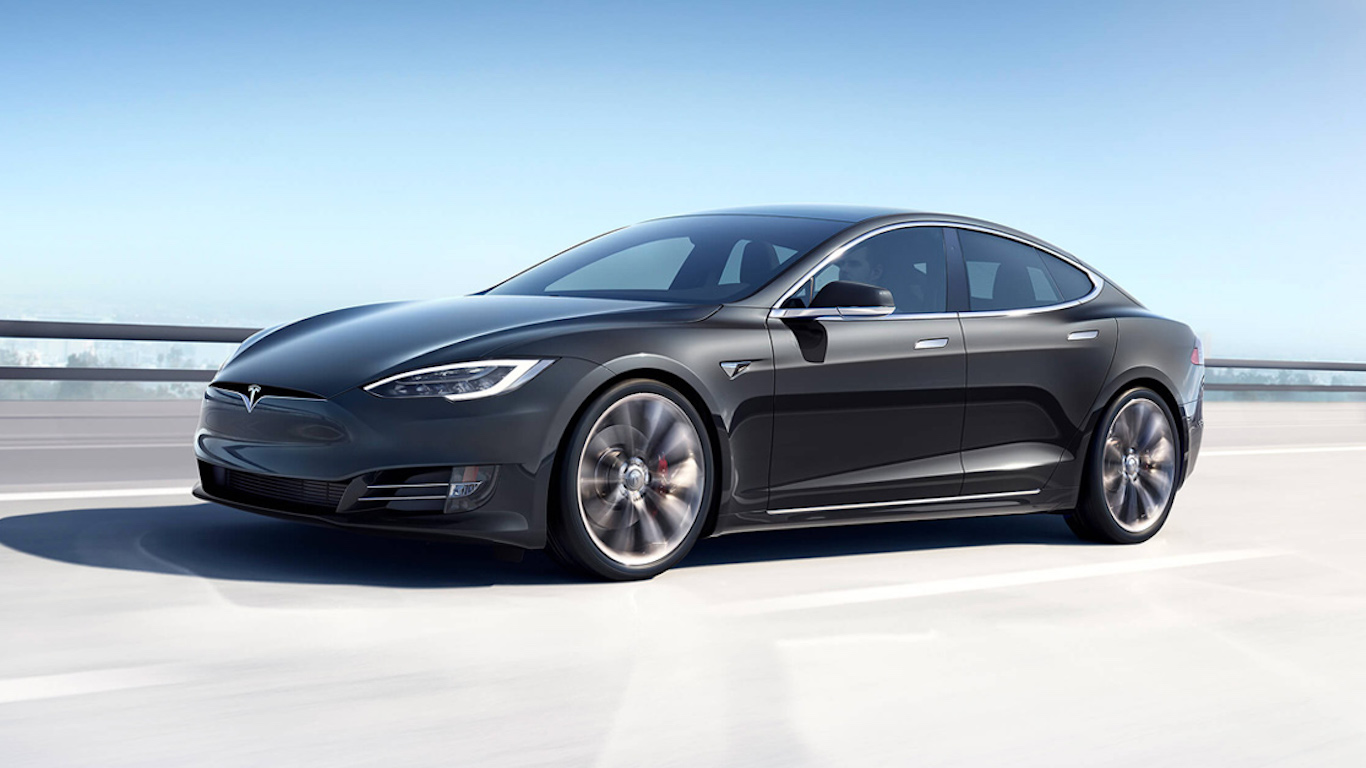
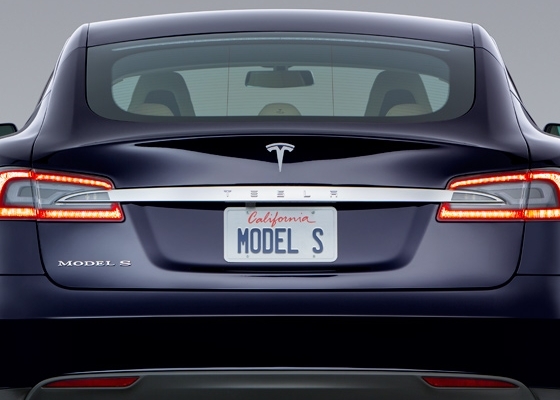
Tesla Motors Inc. (NASDAQ: TSLA) has had to deal with more than engine fires. Other luxury manufacturers like Porsche have begun to attack the alternative energy car market on their own. None runs on an engine as revolutionary as Telsa’s. That has started to change as hydrogen fuel-cell cars reach the market.

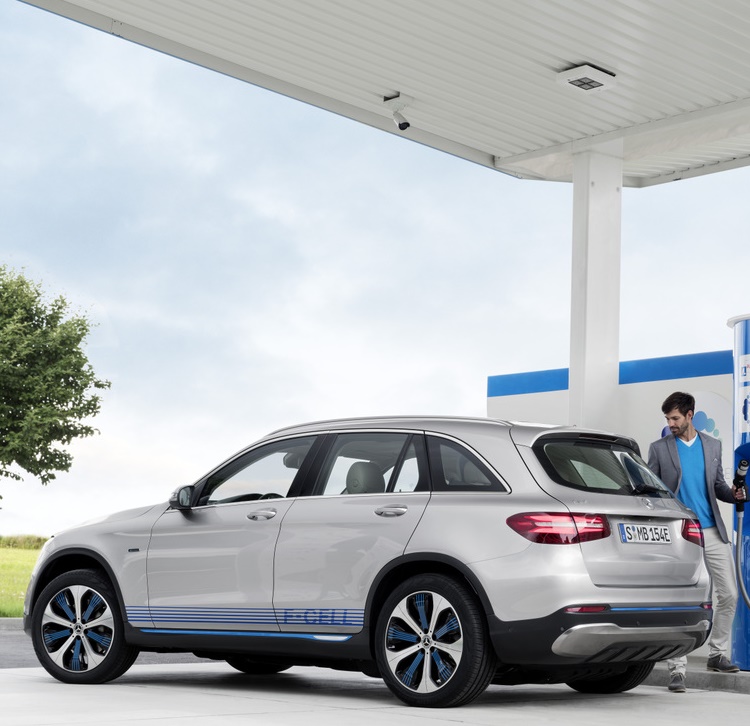
Toyota Motor Corp. (NYSE: TM) recently started to show its FCV Concept. Its alternative engine works on technology unlike Tesla’s, but the Toyota vehicle may be a magnet to those drivers who have rejected fossil fuels or old-school hybrids. The largest car company in Japan described the engine this way:

FCVs are powered by fuel cells, which generate electricity from hydrogen, which is not only environmentally friendly and highly energy-efficient, but can also be produced using a variety of readily available raw materials. Thanks to these characteristics, fuel cell vehicles are ideal for achieving sustainable mobility. Therefore, Toyota is striving to make this vehicle technology widely available as soon as possible.

And:

At a steady cruising speed, the motor is powered by energy from the fuel cell. When more power is needed, for example during sudden acceleration, the battery supplements the fuel cell’s output. Conversely, at low speeds when less power is required, the vehicle runs on battery power alone. During deceleration the motor functions as an electric generator to capture braking energy, which is stored in the battery.

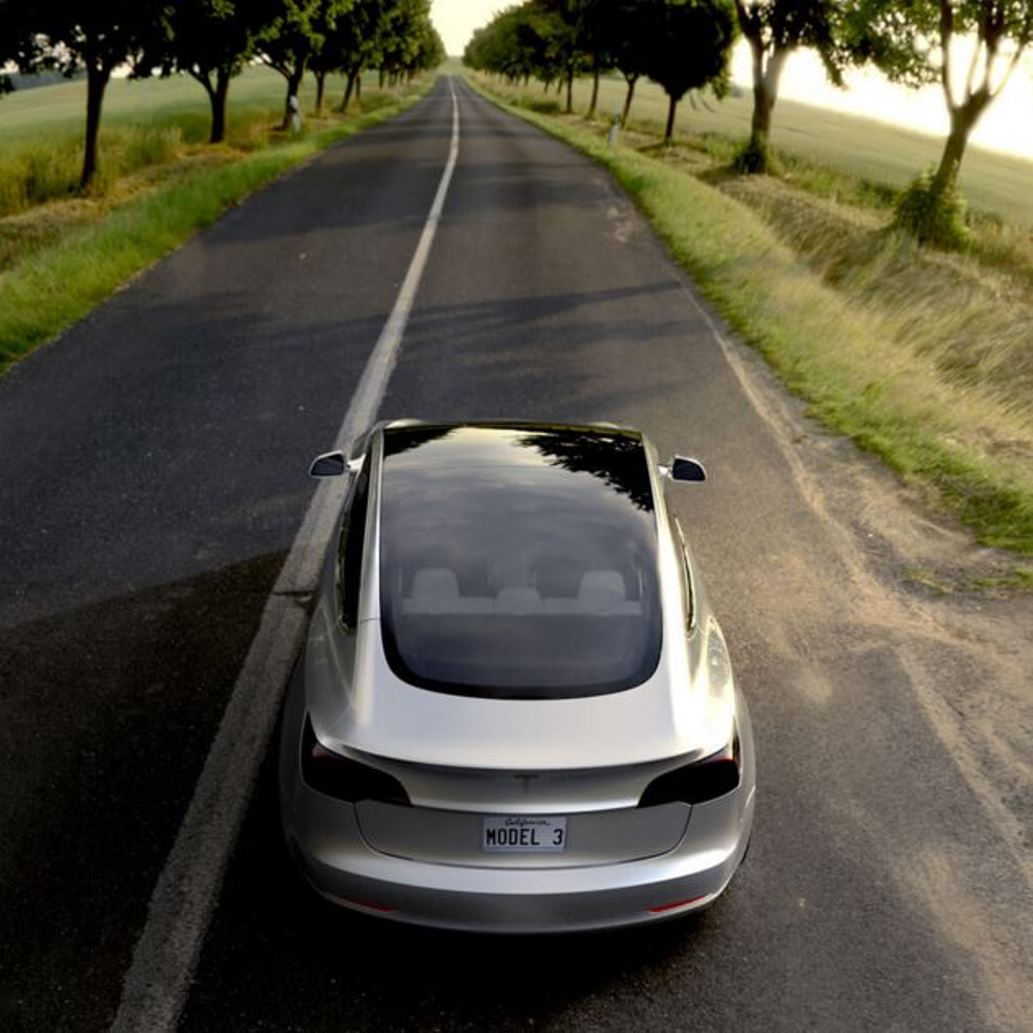
The Tesla power plant runs on an engine based on lithium-ion electric power, for which the manufacturers described the specs:

The pack weighs 990 pounds, stores 56 kWh of electric energy, and delivers up to 215 kW of electric power. Tesla battery packs have the highest energy density in the industry. To achieve this energy density, Tesla starts with thousands of best-in-class Lithium-ion cells and assembles them into a liquid-cooled battery pack, wrapped in a strong metal enclosure. The battery is optimized for performance, safety, longevity, and cost.

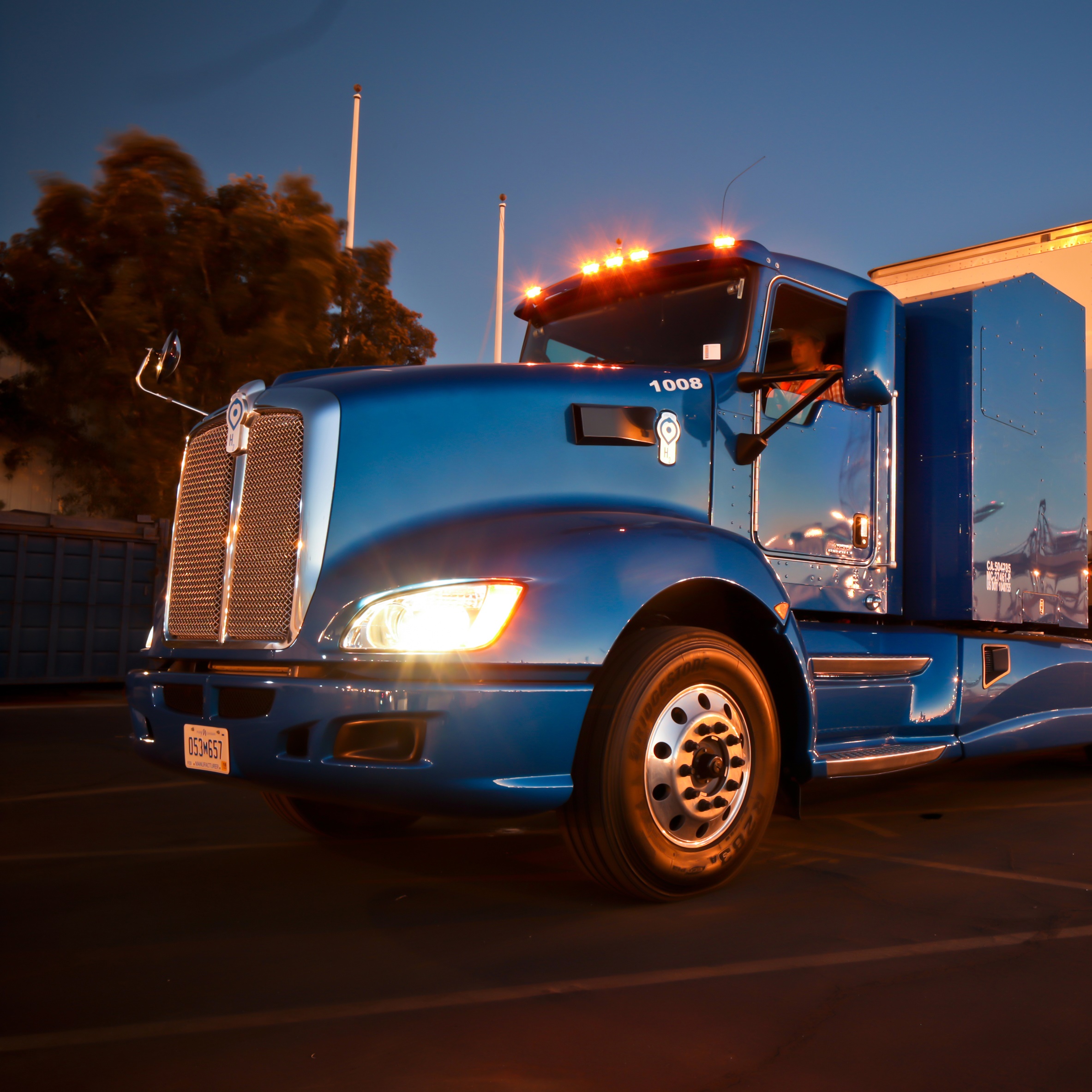
Is the Toyota or the Tesla engine superior? Engineers would say the technologies bear little relationship to one another. While true, that does not indicate whether a broad distribution of Toyota’s product will hurt Tesla. Apparently the hydrogen fuel-cell vehicles show enough promise that Honda Motor Co. Ltd. (NYSE: HMC) and Hyundai will follow Toyota into the market. So, three of the world’s largest car companies can use their marketing and distribution prowess to flank electric-powered vehicles.

Toyota’s engine does not run on the same technology as Tesla’s. Tell that to the public when the Japanese car company begins to trumpet the advantages of hydrogen fuel-cell vehicles.

Photo of Douglas A. McIntyre
About the Author Douglas A. McIntyre →

Douglas A. McIntyre is the co-founder, chief executive officer and editor in chief of 24/7 Wall St. and 24/7 Tempo. He has held these jobs since 2006.

McIntyre has written thousands of articles for 24/7 Wall St. He is an expert on corporate finance, the automotive industry, media companies and international finance. He has edited articles on national demographics, sports, personal income and travel.

His work has been quoted or mentioned in The New York Times, The Wall Street Journal, Los Angeles Times, The Washington Post, NBC News, Time, The New Yorker, HuffPost USA Today, Business Insider, Yahoo, AOL, MarketWatch, The Atlantic, Bloomberg, New York Post, Chicago Tribune, Forbes, The Guardian and many other major publications. McIntyre has been a guest on CNBC, the BBC and television and radio stations across the country.

A magna cum laude graduate of Harvard College, McIntyre also was president of The Harvard Advocate. Founded in 1866, the Advocate is the oldest college publication in the United States.

TheStreet.com, Comps.com and Edgar Online are some of the public companies for which McIntyre served on the board of directors. He was a Vicinity Corporation board member when the company was sold to Microsoft in 2002. He served on the audit committees of some of these companies.

McIntyre has been the CEO of FutureSource, a provider of trading terminals and news to commodities and futures traders. He was president of Switchboard, the online phone directory company. He served as chairman and CEO of On2 Technologies, the video compression company that provided video compression software for Adobe’s Flash. Google bought On2 in 2009.

Featured Reads

Our top personal finance-related articles today. Your wallet will thank you later.

Continue Reading

Top Gaining Stocks

CBOE Vol: 1,568,143
PSKY Vol: 12,285,993
STX Vol: 7,378,346
ORCL Vol: 26,317,675
DDOG Vol: 6,247,779

Top Losing Stocks

LKQ
LKQ Vol: 4,367,433
CLX Vol: 13,260,523
SYK Vol: 4,519,455
MHK Vol: 1,859,865
AMGN Vol: 3,818,618