


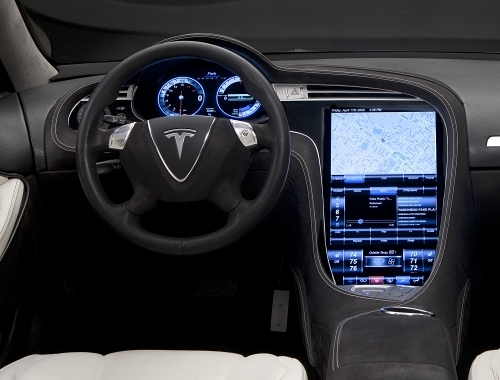
What is likely to change ranges from the car purchasing process to fuel-efficiency expectations, as well as in-vehicle infotainment systems to the supply chains and logistics of the automotive companies. And yet the survey found that just 57% of automotive CEOs said they had a program underway or completed, or a strategy in place, to implement changes around technology investments.
One of the biggest concerns of the survey participants was the availability of talented workforce and culture of innovation necessary to bring about bring these technological advancements. Some 63% were concerned about the availability of these key skills, up from 49% last year. About 45% of the CEOS said they plan to increase headcount to reach their goals, with a whopping 91% recognizing a need to adapt their talent strategy.
While most of the respondents said they saw a need to adapt their supply chains, just one in five have already started or completed change initiatives. Some 56% were somewhat or very concerned about a disruption of the supply chain as a potential business threat to their companies.
Not surprisingly, China, the world’s largest market for new vehicle, was seen as the most important for overall growth prospects, followed by the United States. General Motors Corp. (NYSE: GM) said it plans to invest $12 billion in China from by 2017 and build more plants next year as it competes with aggressive rivals such as Volkswagen in the People’s Republic. Even luxury all-electric vehicle maker Tesla Motors Inc. (NASDAQ: TSLA) is making a major push there.
Change is coming, and automakers will have to closely evaluate every aspect of their business and understand the issues at hand in order to have transformational growth.












 Top Gaining Stocks
 Top Losing Stocks