Do Recalls Force More Recalls?

Photo of Douglas A. McIntyre
By Douglas A. McIntyre Published
This post may contain links from our sponsors and affiliates, and Flywheel Publishing may receive compensation for actions taken through them.

How frightened are car companies of public opinion, personal liability suits, the National Highway Traffic Safety Administration and Congress? Frightened enough to recall cars they might not have in the past, or ones might have waited to recall to see if they could handle repairs quietly? Yes, they are freighted enough.

General Motors Co. (NYSE: GM) has recalled, by most counts, 13 million cars this year. The switch defects on many of them have caused more than a dozen deaths. That figure keeps rising. The recalls have made GM set aside $1.7 billion. And that number may be modest compared to what will be paid if personal liability suits have any success against the formerly bankrupt company, or if the federal government puts pressure on American’s largest car manufacturer to do the right thing.

ALSO READ: The Most Misleading Product Claims

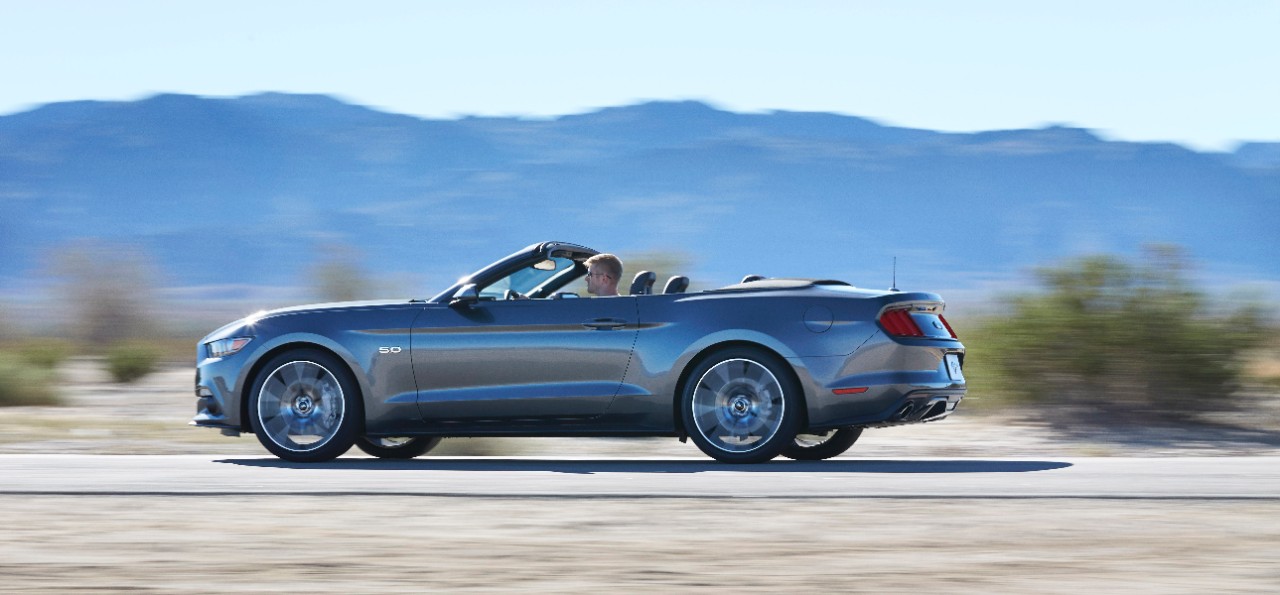
Ford Motor Co. (NYSE: F) just recalled 1.3 million cars and light trucks because of potential steering defects. That brings its recall number for 2014 to just shy of 2 million. Nissan and Toyota Motor Corp. (NYSE: TM) also have disclosed large recalls this year.

Car companies have found it dangerous to wait to disclose safety problems. Toyota CEO Akio Toyoda was punished by Congress in early 2010 after the firm was slow to recall approximately 6 million cars. Drivers said they confronted dangerous acceleration problems. Toyoda took the public thrashing. That baton was passed to GM CEO Mary Barra last month. Her visits to Washington are not over.

What does earlier disclosure of defects mean to car companies? For one, it may mitigate liability suits. Accusations of cover-ups lose some of their steam. Potential customers are less likely to ask if they might drive a car with dangerous defects. Brand equity gets protected. The federal government probably is less likely to levy huge fines. Auto company senior managements can run their companies instead of engaging in months of damage control.

ALSO READ: The Most Damaged Brands

The year of large recalls has months to go. And car companies are ever more likely to announce recalls faster, and perhaps for less dangerous problems, than they have in the past.

Photo of Douglas A. McIntyre
About the Author Douglas A. McIntyre →

Douglas A. McIntyre is the co-founder, chief executive officer and editor in chief of 24/7 Wall St. and 24/7 Tempo. He has held these jobs since 2006.

McIntyre has written thousands of articles for 24/7 Wall St. He is an expert on corporate finance, the automotive industry, media companies and international finance. He has edited articles on national demographics, sports, personal income and travel.

His work has been quoted or mentioned in The New York Times, The Wall Street Journal, Los Angeles Times, The Washington Post, NBC News, Time, The New Yorker, HuffPost USA Today, Business Insider, Yahoo, AOL, MarketWatch, The Atlantic, Bloomberg, New York Post, Chicago Tribune, Forbes, The Guardian and many other major publications. McIntyre has been a guest on CNBC, the BBC and television and radio stations across the country.

A magna cum laude graduate of Harvard College, McIntyre also was president of The Harvard Advocate. Founded in 1866, the Advocate is the oldest college publication in the United States.

TheStreet.com, Comps.com and Edgar Online are some of the public companies for which McIntyre served on the board of directors. He was a Vicinity Corporation board member when the company was sold to Microsoft in 2002. He served on the audit committees of some of these companies.

McIntyre has been the CEO of FutureSource, a provider of trading terminals and news to commodities and futures traders. He was president of Switchboard, the online phone directory company. He served as chairman and CEO of On2 Technologies, the video compression company that provided video compression software for Adobe’s Flash. Google bought On2 in 2009.

Featured Reads

Our top personal finance-related articles today. Your wallet will thank you later.

Continue Reading

Top Gaining Stocks

CBOE Vol: 1,568,143
PSKY Vol: 12,285,993
STX Vol: 7,378,346
ORCL Vol: 26,317,675
DDOG Vol: 6,247,779

Top Losing Stocks

LKQ
LKQ Vol: 4,367,433
CLX Vol: 13,260,523
SYK Vol: 4,519,455
MHK Vol: 1,859,865
AMGN Vol: 3,818,618