


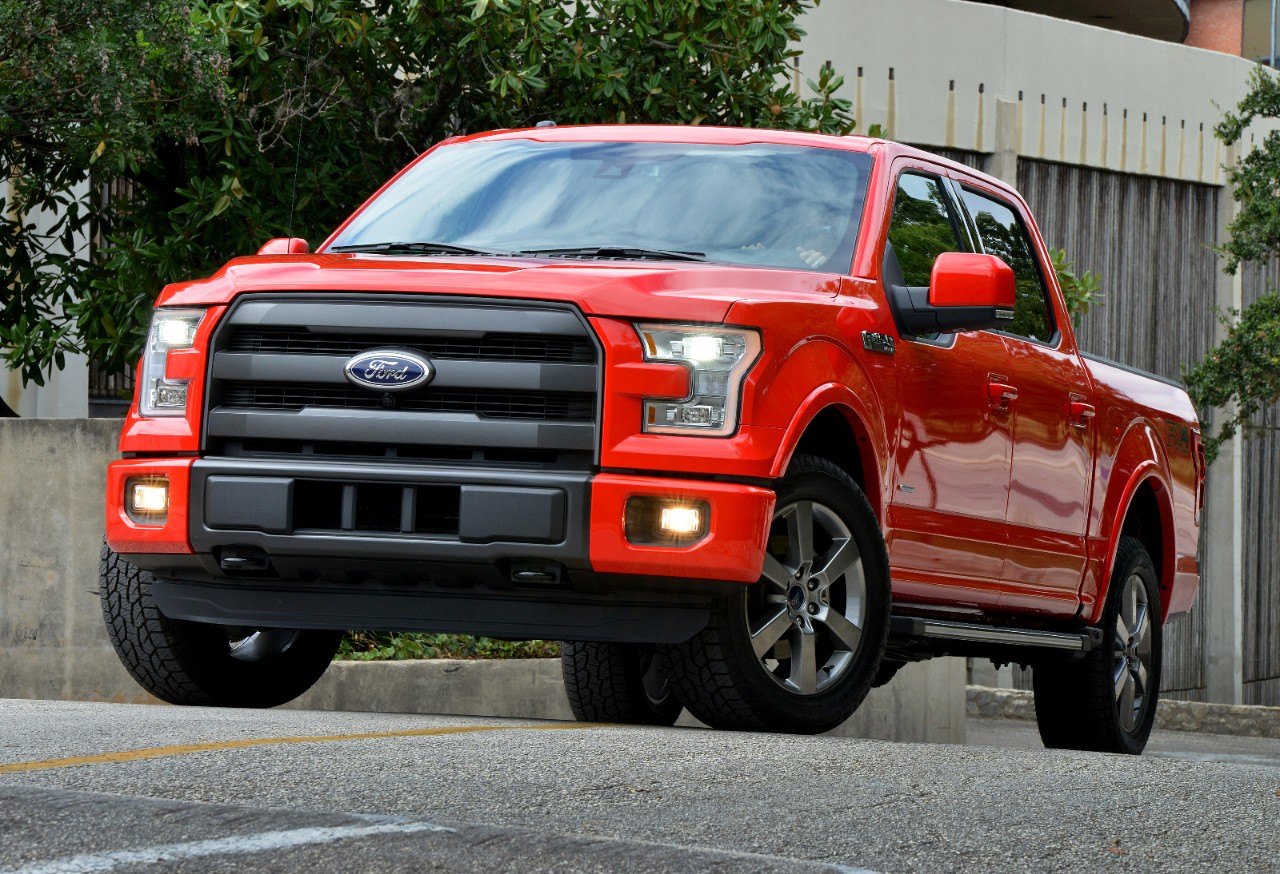
The aluminum-body 2015 Ford F-150 crew cab swept the Insurance Institute for Highway Safety’s full slate of crashworthiness evaluations to qualify for a 2015 Top Safety Pick award. The F-150 extended cab turned in a good performance in 4 of 5 assessments but stumbled in the small overlap front test. The results are the first ratings for large pickups in a group the Institute is evaluating this year.
The news was not all good for Ford:
The F-150 crew cab, which Ford calls the SuperCrew, earns good ratings for occupant protection in all five IIHS crashworthiness evaluations — small overlap front, moderate overlap front, side, roof strength and head restraint evaluations. The extended cab, or SuperCab, earns good ratings in the moderate overlap front, side, roof strength and head restraint evaluations but just a marginal rating for occupant protection in a small overlap front crash.
Many vehicles tested do not get “marginal ratings” on any portion of the tests.
Competitors are likely to seize on another issue which the tests concluded:
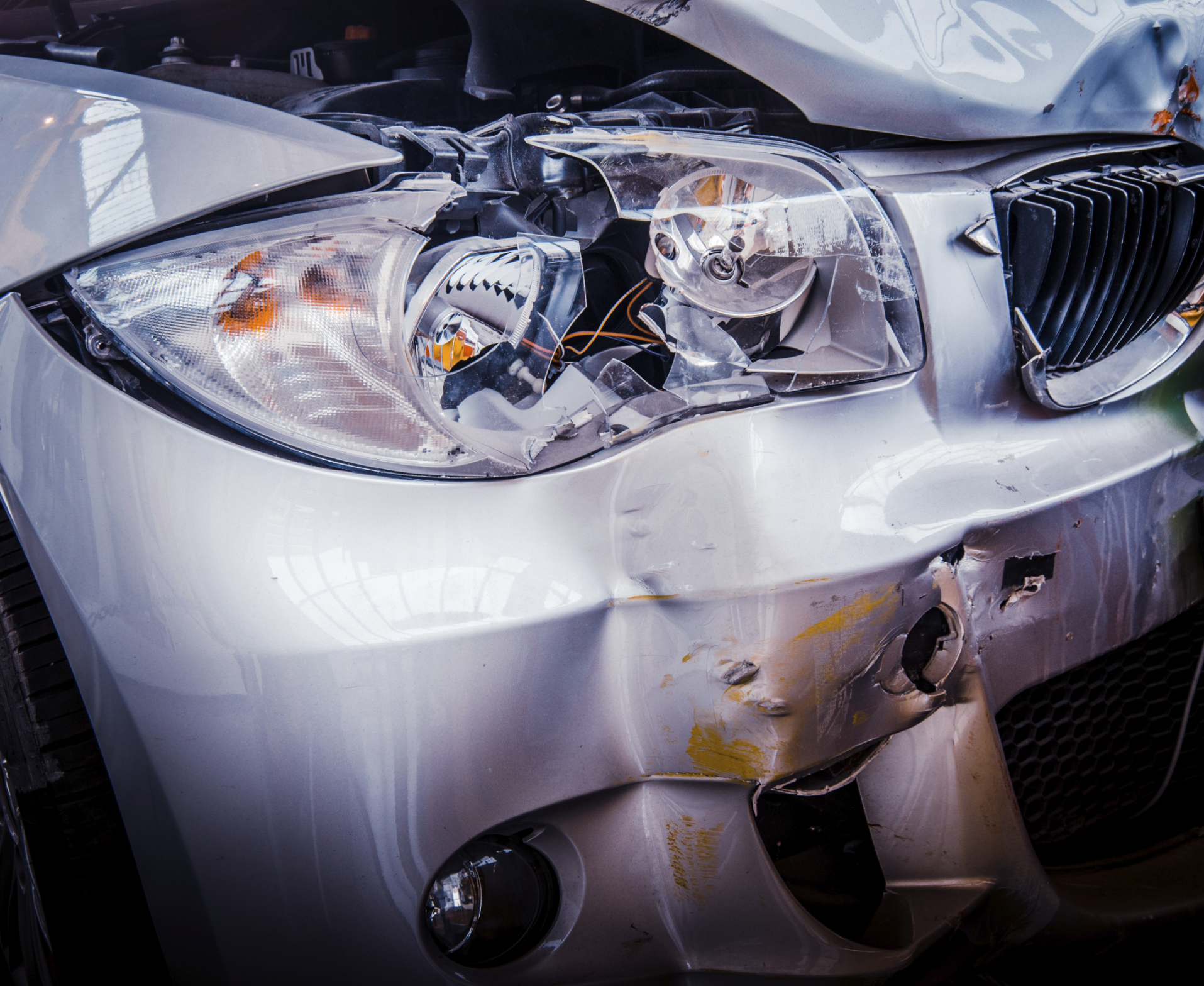
Since the F-150 is a unique vehicle with its aluminum body, the Institute also looked at repair costs for the 2015 model. Damage to aluminum body parts can be more complicated and pricier to repair than steel, analyses by the Highway Loss Data Institute have shown.
GM’s (NYSE: GM) Chevy division has already begun to question repair costs of the F-150 compared to its Silverado. According to CBS News:
In online ads — one of which features National Football League hall of famer and broadcaster Howie Long — Chevrolet suggests that aluminum isn’t as strong as steel and that insurance costs are probably higher for the aluminum F-150.
The Insurance Institute for Highway Safety tests will lend credence to this GM argument.
Ford needs consumers to believe that the F-150 is not only safe but has repair costs similar to its competitors. Over the first half of the year, sales of Ford’s flagship have faltered. They dropped 2.4% for the period to 357,180. Sales of the Chevy Silverado rose 14.6% to 275,822. Ford management claims two factors to its advantage this year. One is that production of the aluminum truck started slowly in the early portion of the year. As that production pick up, availability will match demand. The other is that consumers pay much more for the F-Series than they do for direct competitors
However, whatever case Ford makes, the F-Series has been the best-selling vehicle in the U.S. for decades. And, its unit sales are about 20% of all cars and trucks sold by Ford. Safe matters. Now Ford will find out if repair costs trump a new, mostly good piece of news.
Methodology:
IIHS tests evaluate two aspects of safety: crashworthiness — how well a vehicle protects its occupants in a crash — and crash avoidance and mitigation — technology that can prevent a crash or lessen its severity.
To determine crashworthiness, IIHS rates vehicles good, acceptable, marginal or poor, based on performance in five tests: moderate overlap front, small overlap front, side, roof strength and head restraints. In the area of crash avoidance and mitigation, IIHS assigns vehicles with available front crash prevention systems ratings of basic, advanced or superior, based on the type of system and performance in track tests.





 Top Gaining Stocks
 Top Losing Stocks