


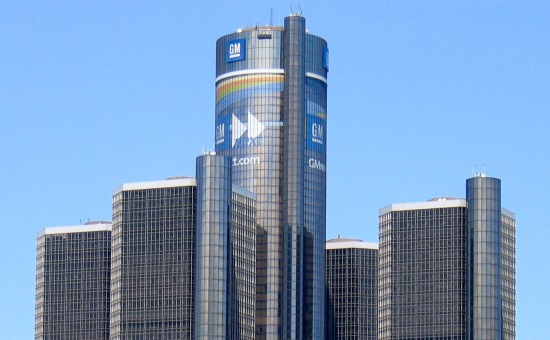
Even if the Chinese market gets worse — and all monetary indications say that it will — this is not what GM investors should be worried about. Europe is a bit more of an issue, but Europe could go either way at this point. GM Europe accounts for 13% of GM’s revenues, and it does look like Europe has stabilized for the short term at least. Unless of course Greece elects a party in nine days that repudiates its debt and restarts the whole debt crisis clock again. Judging by the frequency of Greek elections, this threat could reemerge every six to nine months or so, making European stability touch-and-go for the foreseeable future.
GM South America accounts for another 5.7% of sales and is also the fastest shrinking segment. This should not be surprising, given the utter currency chaos spanning almost the entire continent in Argentina, Brazil and Venezuela. Look for GMSA to continue to shrivel.
ALSO READ: 10 Cars Most Likely to Be Dumped
The elephant in the room is GM North America. GMNA is by far the biggest segment of GM’s business. It is the only segment of GM that is currently growing, besides GM Financial, and it is entirely built in pyramiding debt. Pyramiding debt is in turn built on very low interest rates, and very low interest rates rest on the foundation of very low price inflation in the consumer price index (CPI). That foundation is made of sand.
Here is how it works. GM Financial hands money to GM in a debtor’s name so he can drive off the lot with cash back money in his pocket. In some cases, these loans extend seven years. While he is paying off his car loan, the value of the car is depreciating faster than he can pay the loan back. He now has negative equity on his car. He is underwater, as it is called in the housing market. The more people that take out long-term loans to buy new cars, the more will be underwater and unable to buy new cars in the future. GM is essentially borrowing off its own future revenues.
The function of GM Financial is little different from GM selling corporate bonds, handing the money to people who want to buy cars and then waiting for those buyers to pay back the loans in order to pay back the bondholders. If any link in that chain is disrupted, business goes south fast.
With GM Financial in the picture though, it is even worse, because in the case of bondholders, the bondholders are the ones who ultimately lose out if debt is not repaid, not GM itself. But since GM Financial is part of GM, GM itself will lose twice when the merry-go-round of debt finally stops.
ALSO READ: The Most Dangerous Cars in America
It is not hard to see why GM shares have been so dismal, down 12% in five years, while almost everything else has been in a raging bull market. Investors recognize the merry-go-round and are getting off the ride before it stops. The trigger will be the CPI. If it starts heading up, GM will fall. Not necessarily because rising price inflation means more expensive cars, but because rising price inflation means the Federal Reserve must raise rates faster than they originally planned. That will put an end to the easy credit that is fueling GM North America and GM Financial, the two of which are engaged in an incestuous positive debt feedback loop.







 Top Gaining Stocks
 Top Losing Stocks