


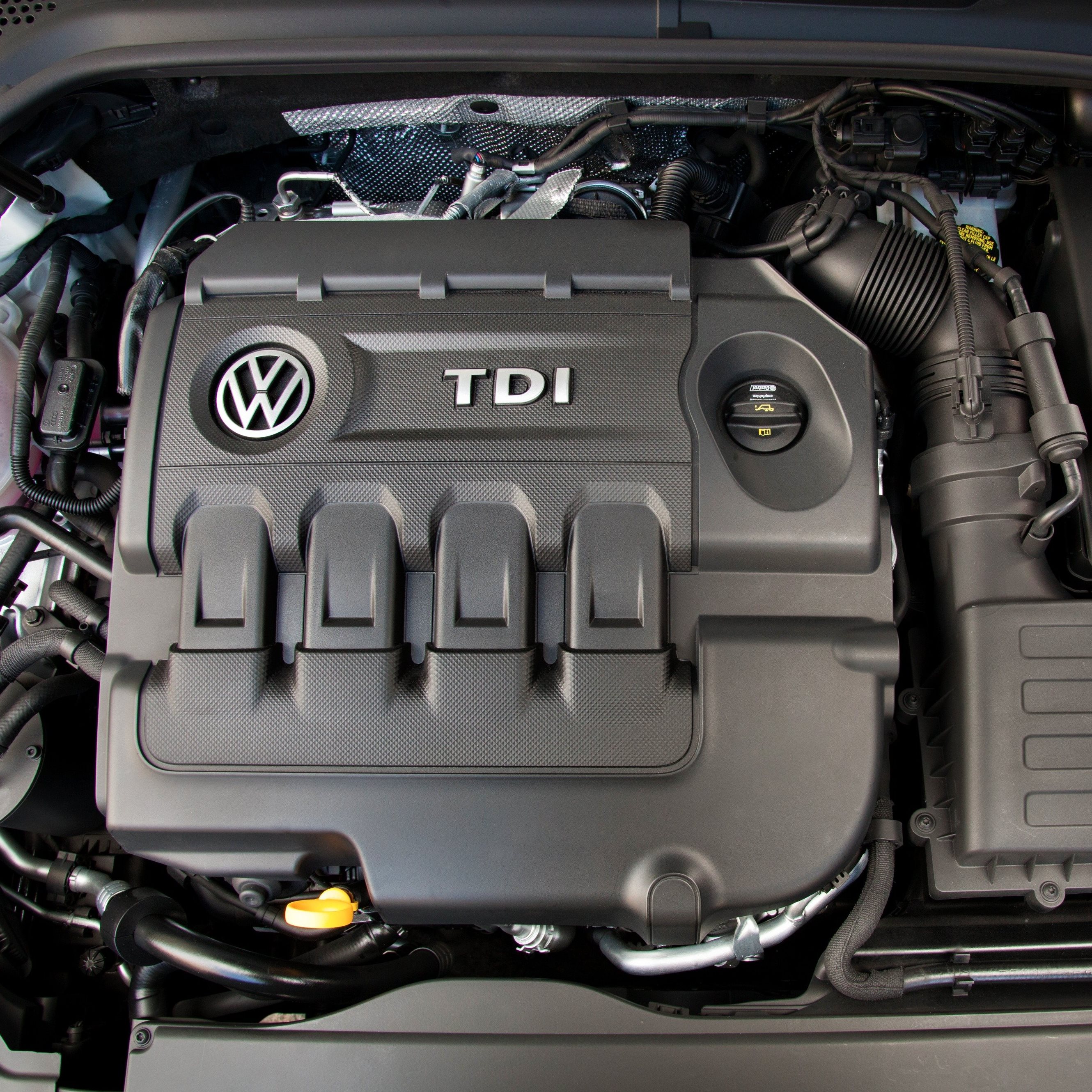
The U.S. Environmental Protection Agency (EPA) is now widening its net to test all Volkswagen Group diesel brands, including Audi and Porsche, from 2009 on. VW has claimed that the cheating engines were confined to the 2L V4 used in VW brands, but the EPA is not taking their word for it and testing the 3L V6 as well, equipped on Audis and Porches.
The jury is still out on BMW, which is also being accused of gaming its emissions by German sources. BMW still denies the accusations.
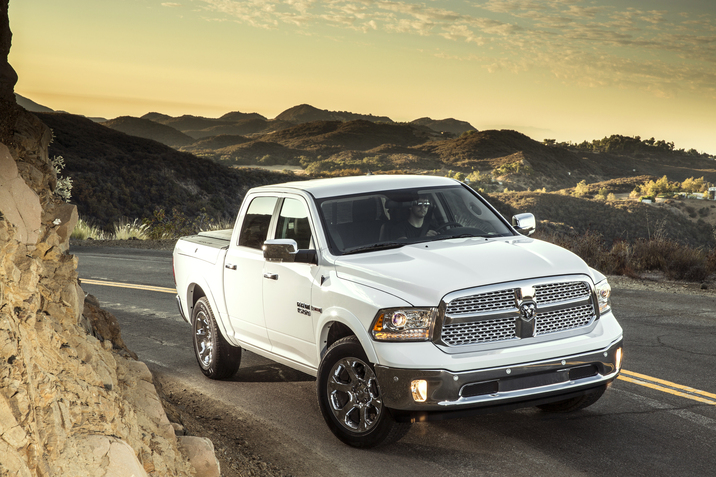
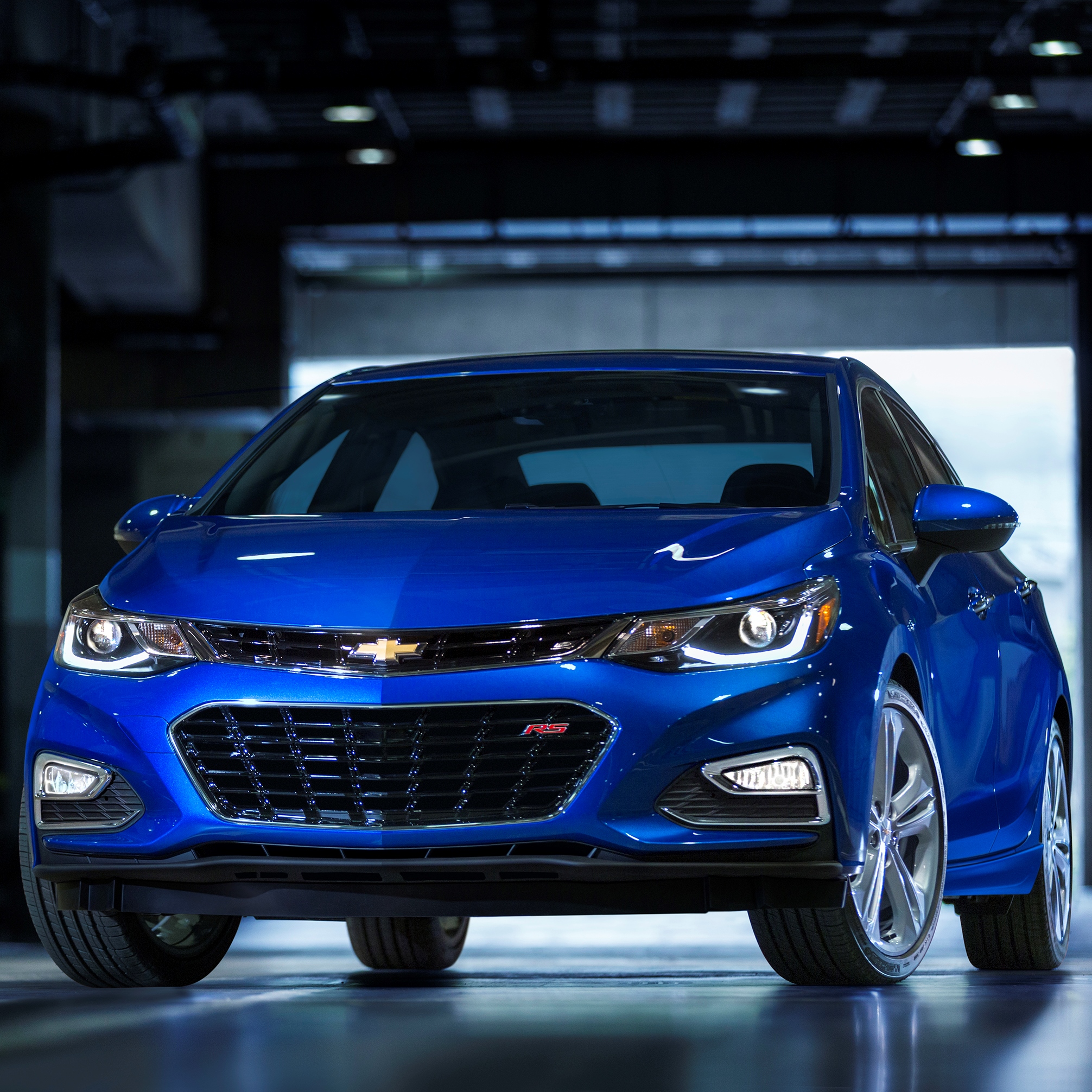
Findings should come in soon on both fronts, and bad news could widen the probe even more substantially to General Motors Co. (NYSE: GM), Ford Motor Co. (NYSE: F) and Fiat Chrysler Automobiles N.V. (NYSE: FCAU). The Big Three do not have big stakes in light diesel passenger cars like Volkswagen does (or did), but all of them have entered the market in varying degrees. GM has been in since 2014 with the Chevrolet Cruze Diesel. Only 2% of all Cruzes sold were diesels, so it’s not that significant. Fiat Chrysler has also dabbled in diesel cars since 2014, with the Jeep Grand Cherokee EcoDiesel and Ram 1500 EcoDiesel. As for Ford, it only just started selling the Ford Focus ST Diesel this year.
The fallout then, if there ends up being any, would be least harsh on Ford given it has barely started selling anything, and only slightly more so on Chrysler and GM.
ALSO READ: The 10 Cars Most Likely to Be Dumped
As for assigning blame, consider the following thought experiment. Let us assume for the sake of argument that every company with a diesel passenger car subject to the tougher 2008 emissions regulations was indeed cheating. In that case, it would seem impossible to both be in compliance with emission requirements and also sell diesel cars that consumers actually wanted. The only option then would be for all car companies that had been manufacturing diesel passenger cars up to the point to simply give up and fold up shop due to the new regulations.
In that case, fault would lay squarely at Congress’s doorstep rather than any car manufacturer. The new government-mandated restrictions would have obviously and immediately killed the diesel passenger car sector entirely. So indeed, if everyone is cheating, then in a sense nobody is, because it would prove that the new emissions regulations are in fact impossible to comply with. In a way, VW would not be entirely at fault here for not wanting to unceremoniously end its entire diesel car line voluntarily.
But if nobody else is guilty, and if VW was just being lazy and wanted an unfair advantage over its competitors, then fault lies squarely with VW.
It will be interesting to see what happens from this point. If first BMW, then Audi and Porsche are implicated, followed by Ford, GM and Chrysler, then the possibility for a sort of government or EPA amnesty is at least conceivable. The more guilty verdicts then, the better for VW. If everyone cheated, regulators may just relax their wrath for enough time to consider if they really want to destroy the entire diesel passenger car sector just to enforce impossible emissions standards.
ALSO READ: What Does the Emissions Scandal Mean for the German Economy?






 Top Gaining Stocks
 Top Losing Stocks