


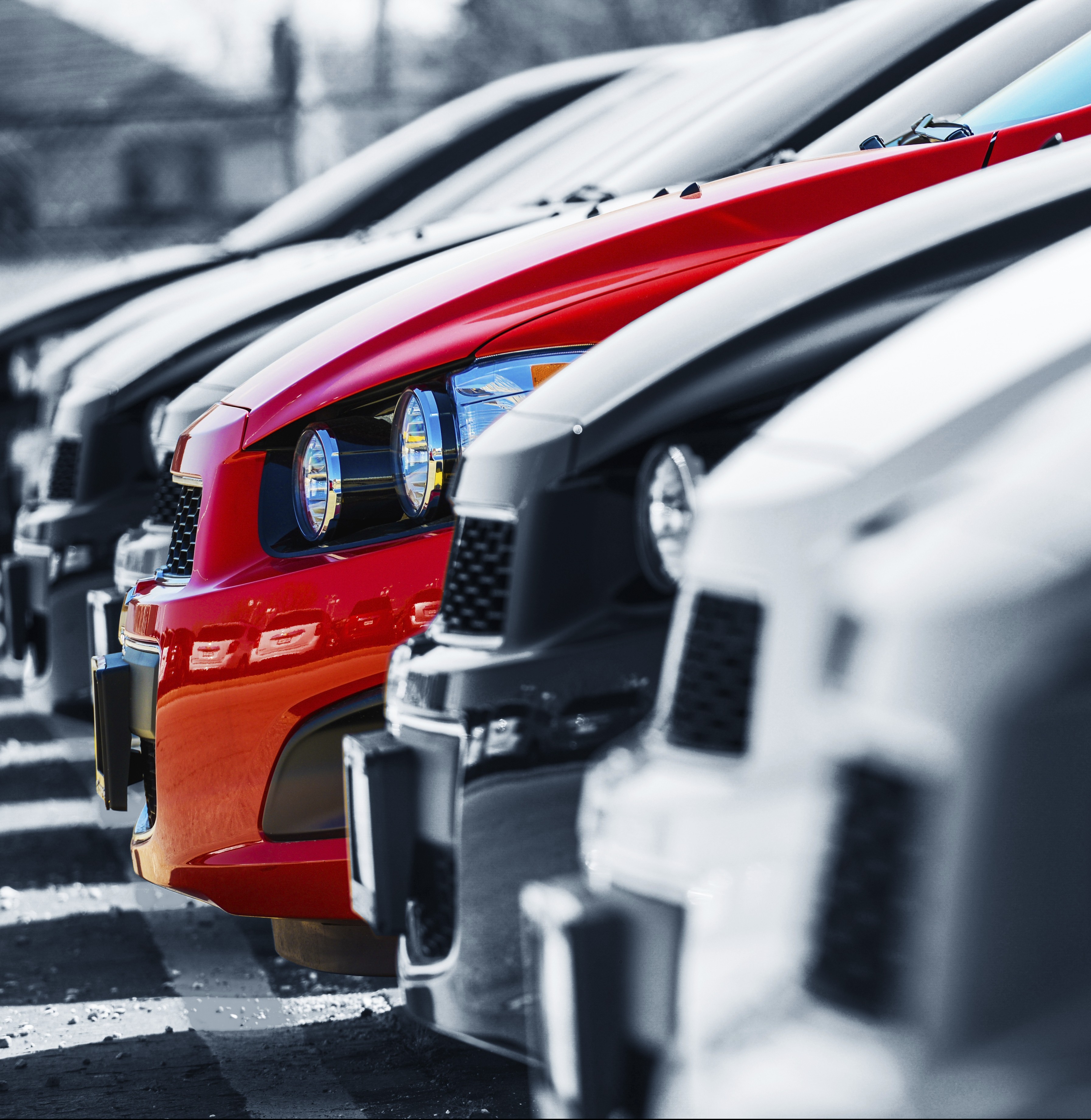
With car sales for every major passenger car company now reported, investors are wondering who won, who lost and whether Winter Storm Jonas was responsible for dampening sales numbers with its two feet of snow dumped on parts of the northeast. Judging by the confusing and contradictory headlines, we seemingly will never know if winter weather had anything to do with the final tally.
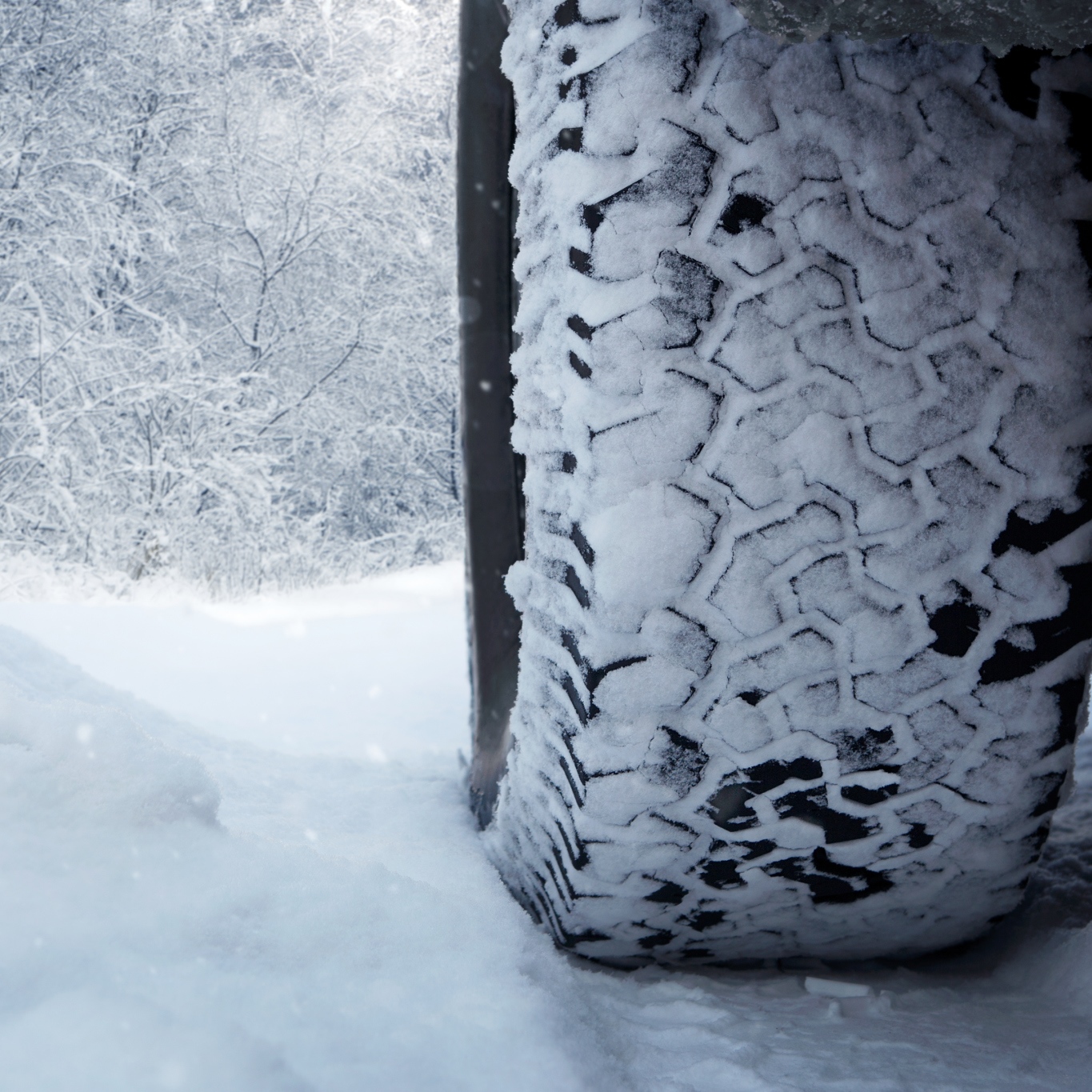
While the Wall Street Journal has a piece out titled “Winter Weather Dings US Auto Sales,” Forbes has the competing headline of “US Auto Sales Weren’t Ruined by January’s Snowstorm.” Both of them ignore the fact that had a snowstorm actually impeded sales for a given month, then buyers who had intended to purchase a car would simply do so when the snow stops. Snow can delay a major purchase, but rarely can cancel it altogether. In the end, how a snowstorm ends up affecting one data point matters very little.
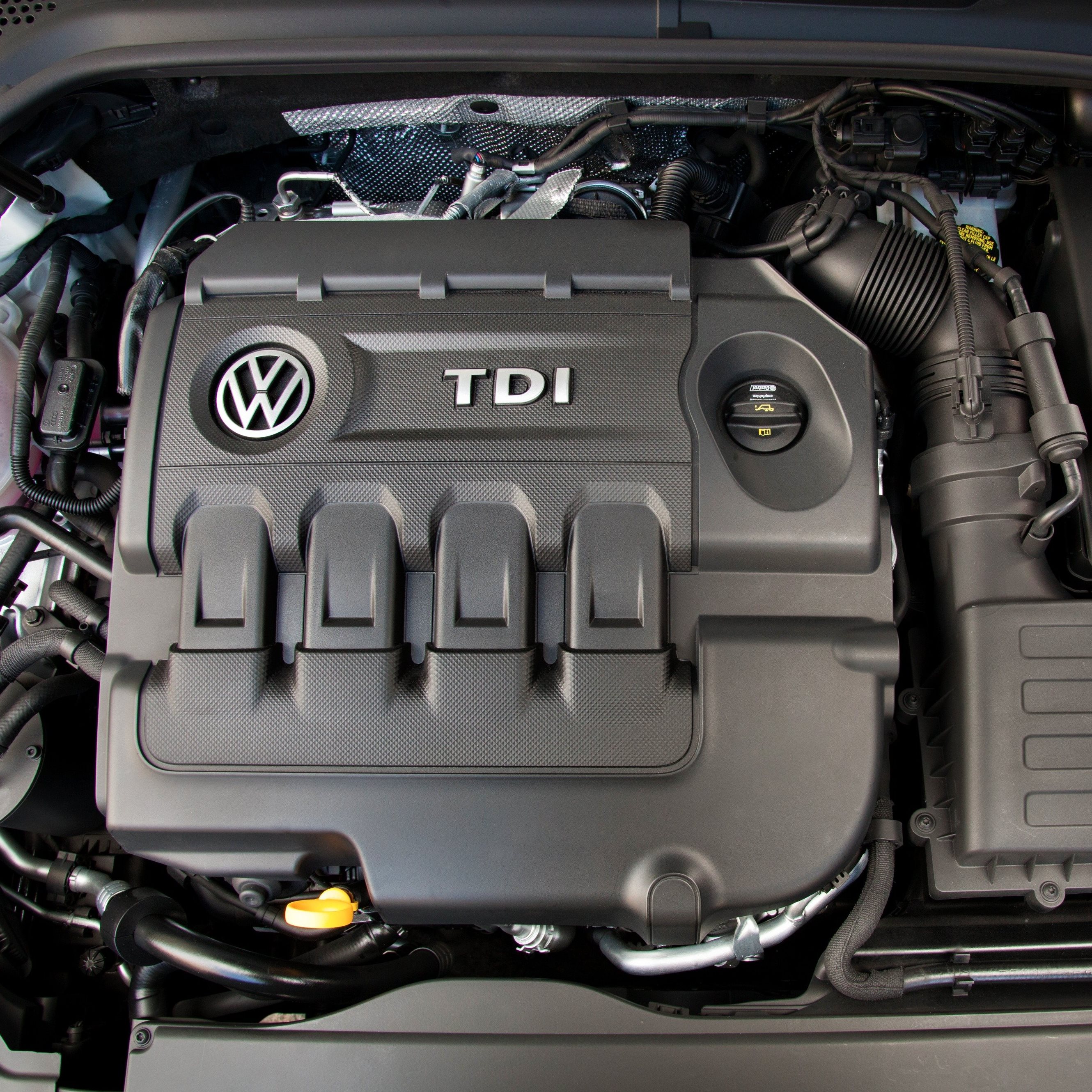
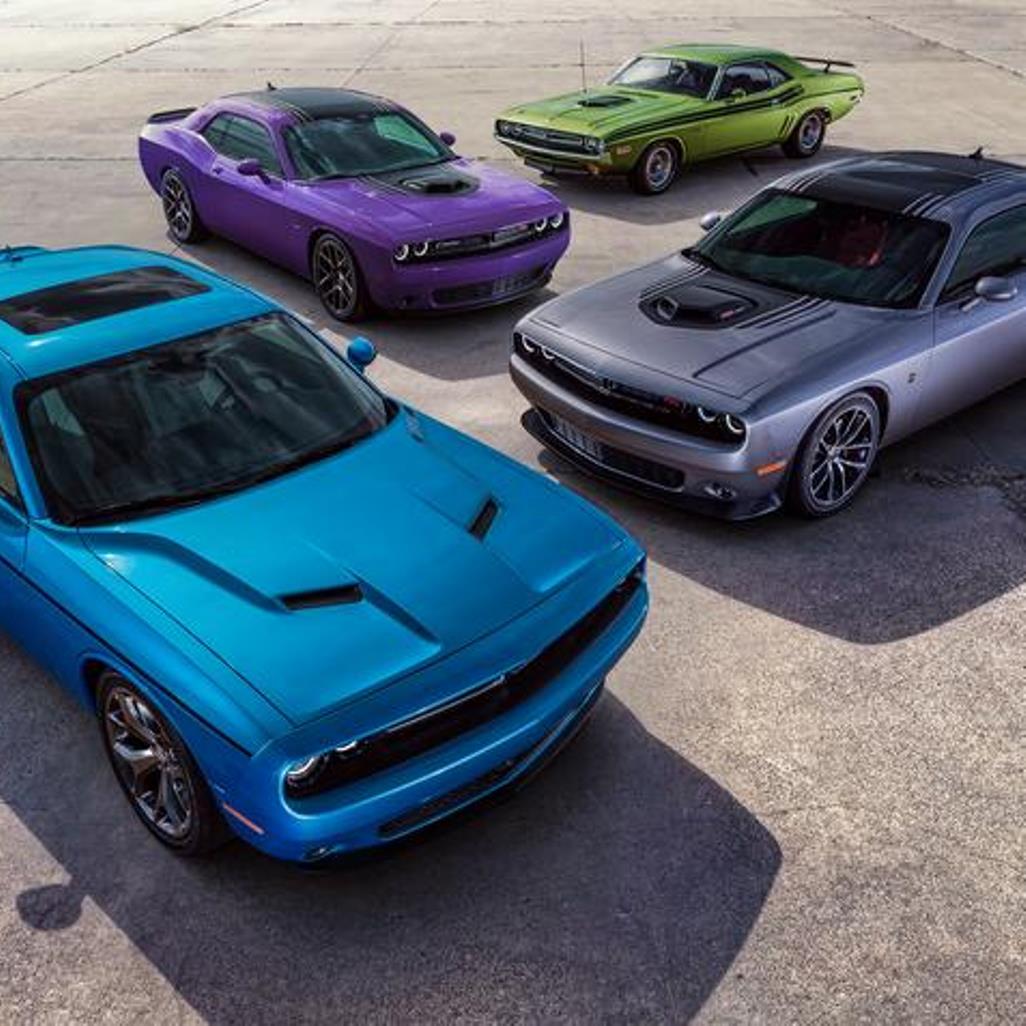
As for winners, orthodox analysis would say that Fiat Chrysler Automobiles N.V. (NYSE: FCAU) took first prize with sales up 7% while, Volkswagen was the loser with sales down 14.6%. But selling cars is not a race over who sells the most cars in a given month. It’s about which company is the healthiest with the best prospects for growth.
On that score, there were no winners, because there are no financially healthy car companies poised for significant growth in the next few years. The only possible exception is Volkswagen, given that it has been so beaten down over last year’s emissions scandal that reversion to the mean is a strong enough case on its own to take a position. Short-term market movement seems to confirm this, as Fiat Chrysler has broken its 52-week low of $6.60 a share in premarket trading despite being “the winner,” while Volkswagen is still comfortably above its post-scandal lows.
Why are there no real winners in the automobile industry? Because in an environment of record low interest rates, even negative rates in Japan — I’m talking to you Toyota Motor Corp. (NYSE: TM), combined with historically low global gas prices, should theoretically spur a car-buying bonanza that is obvious to all, winter weather notwithstanding. Even in 1998 when oil hit a low of $10 a barrel, the effective federal funds rate was at what would now be considered an astronomically high 7%. Imagine what such a rate would do to car sales now. It would not be pretty.
[recirclink id=312573]
If car companies cannot record across-the-board stellar results in a financial environment like this, where financing is basically free and gas is as cheap as it gets, then it’s hard to call anyone a winner in the traditional sense. At some point, oil will rebound, gas prices will climb back up and cash back financing on car purchases will no longer be as easy as getting a no-money-down subprime mortgage in 2005.
The entire auto industry is running on borrowed time. If January numbers say anything, it’s not about how a snow storm may have possibly affected sales for one isolated month in one isolated year. It’s about how, despite the most accommodative monetary and oil-collapse-fueled environment for car sales in decades, many car manufacturers, some of which already have been major bailout recipients, are still struggling. If that’s not a worrying sign, then neither was Lehman.





 Top Gaining Stocks
 Top Losing Stocks