


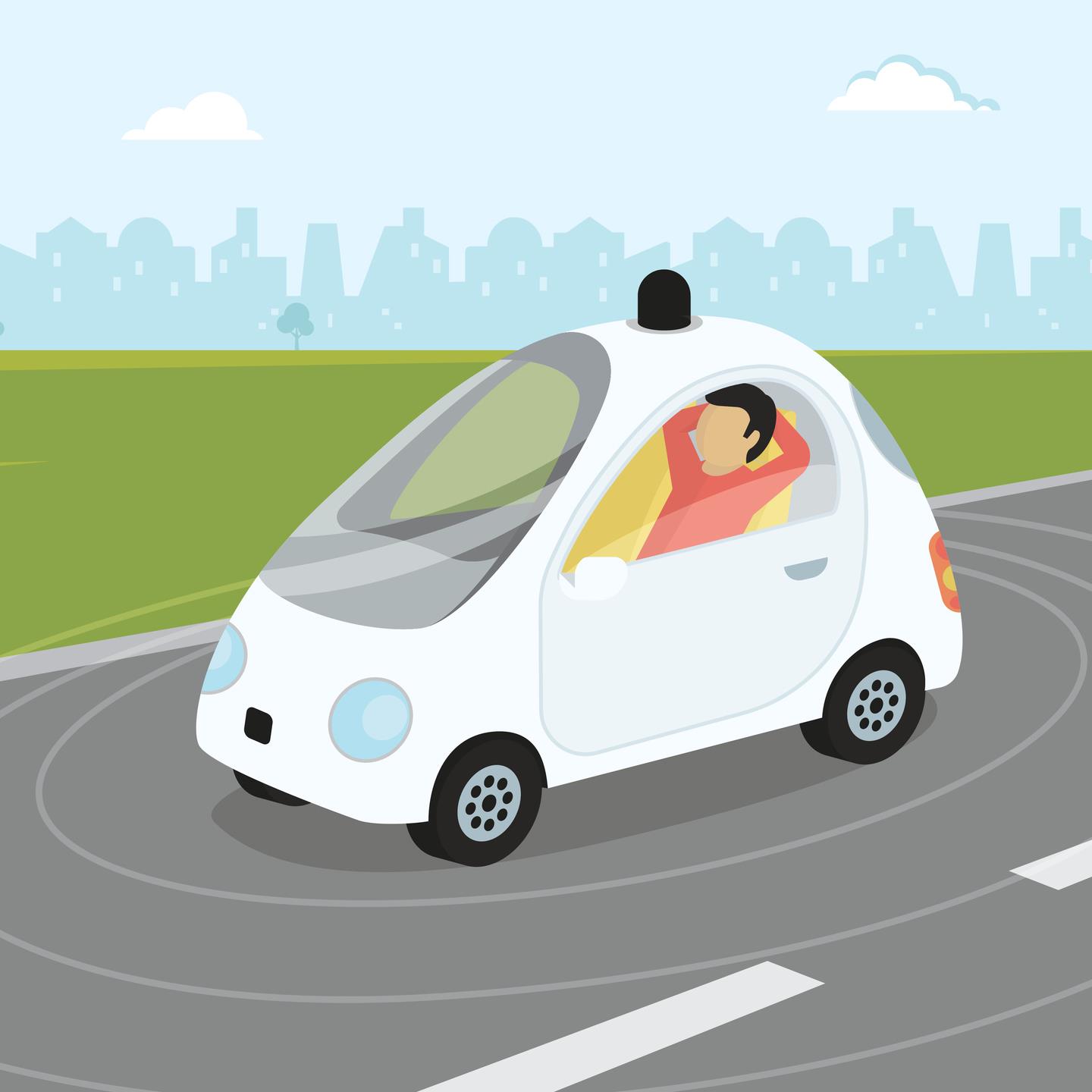
[cnxvideo id=”655407″ placement=”ros”]Baidu Inc. (NASDAQ: BIDU) is the latest company reaching for a bigger share of the increasingly crowded autonomous, or self-driving, vehicle market. The Chinese tech company has launched Project Apollo, which is aimed at providing an open software platform for an alliance of partners in the automotive and autonomous driving industry to develop their own autonomous driving systems. Using its strengths in artificial intelligence (AI) technology, Baidu intends to build a collaborative ecosystem to promote the development and popularization of autonomous driving technology.
Baidu has invested heavily in the research and development of this technology since 2015. In December of that year, it conducted successful road tests for its fully autonomous cars in Beijing. Baidu also received an Autonomous Vehicle Testing Permit for California in September 2016. But it is not alone there, as 30 or more companies have received permits to test autonomous vehicles in California. The list includes Apple Inc. (NASDAQ: AAPL), as well as most of the world’s largest car companies, including Nissan, BMW, Mercedes-Benz, Tesla Inc. (NASDAQ: TSLA), Subaru, Ford Motor Co. (NYSE: F) and the General Motors Co. (NYSE: GM) GM Cruise division.
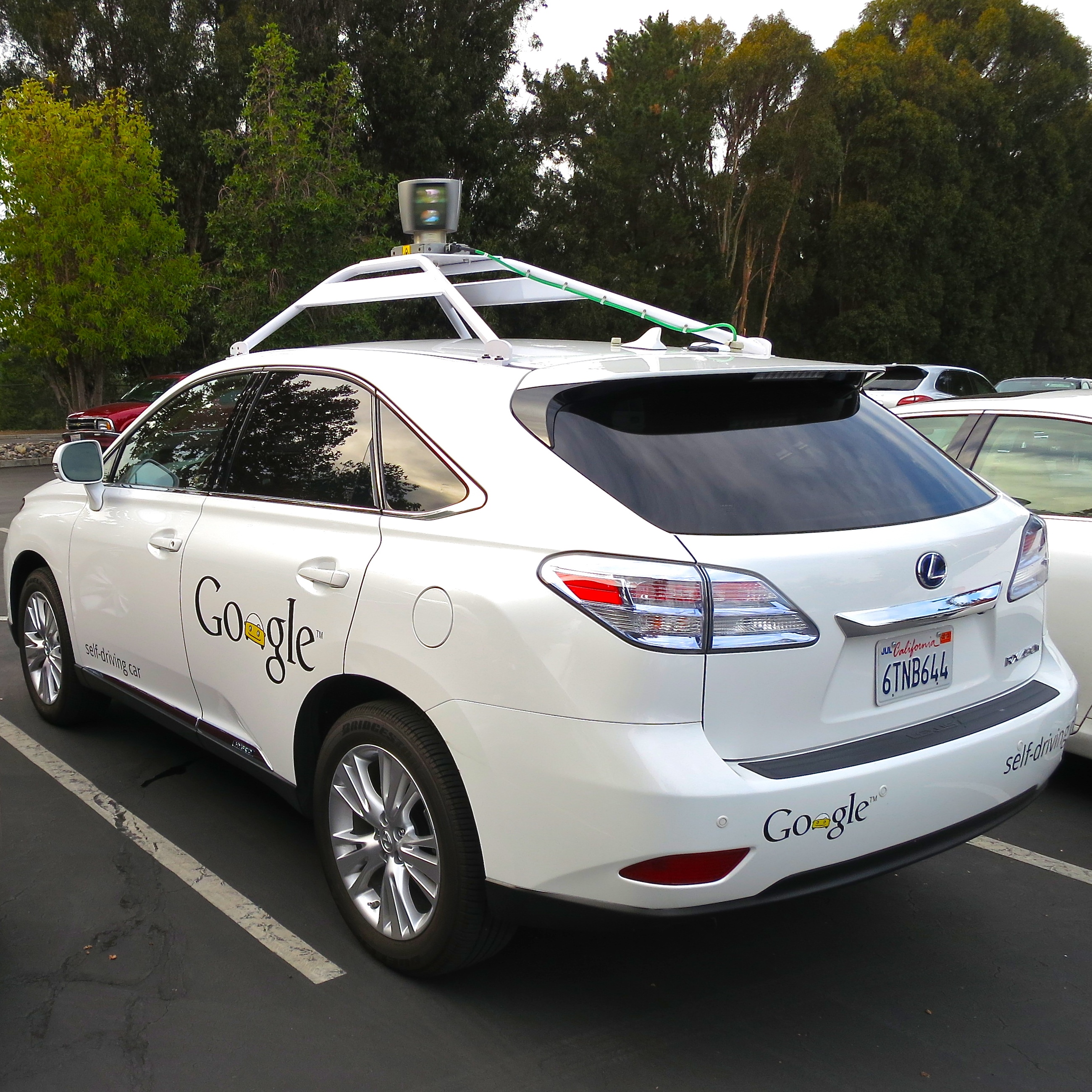
The Google division of Alphabet Inc. (NASDAQ: GOOGL) leads the tech companies on the list. It has tested its own self-driving cars for millions of miles and is considered one of the industry’s leaders.
[nativounit]
The name of Baidu’s initiative comes from the Apollo lunar landing program, a ground-breaking project that brought together multiple forces for the benefit of society. Baidu believes autonomous driving is similar in terms of its potential to transform the world.
But research shows that U.S. drivers remain skeptical of self-driving cars. A survey by J.D. Power showed that 11% more Generation Z (born 1994 through 2004) and 9% more pre-Boomers (born before 1946) than last year “definitely would not” trust autonomous driving technology. Nearly a third (30%) of Gen Z consumers and nearly half (49%) of Boomers say that their biggest concern with a self-driving vehicle is a technology error or failure.
J.D. Power executive Kristin Kolodge said:
Along with collision mitigation, there are many benefits to autonomous vehicles, including allowing those who are unable to drive today’s vehicles to experience freedom of mobility. Interesting, though, 40% of Boomers do not see any benefits to self-driving vehicles. Automated driving is a new and complex concept for many consumers; they’ll have to experience it firsthand to fully understand it.
Qi Lu, Group President and Chief Operating Officer at Baidu, said:
AI has great potential to drive social development, and one of AI’s biggest opportunities is intelligent vehicles.
Baidu said it will first open its autonomous driving technology for restricted environments in July. Then it will share its technology for cars running autonomously in simple urban road conditions toward the end of the year. And it gradually will introduce fully autonomous driving capabilities on highways and open city roads over time by 2020.
[wallst_email_signup]









 Top Gaining Stocks
 Top Losing Stocks