



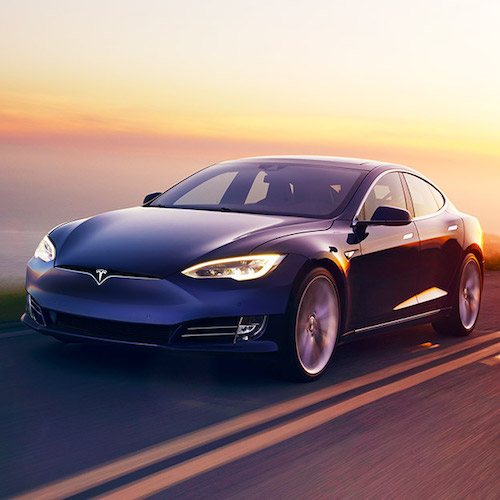
Tesla Inc. (NASDAQ: TSLA) has suffered several setbacks recently. Production of its cars was short of consensus in its most recently released quarter. Goldman Sachs questioned the strength of its business model and warned the stock could plunge. In addition, Tesla’s Model S failed to secure the top award from the Insurance Institute for Highway Safety (IIHS). Three other large sedans did receive the Top Safety Pick+ designation.
IIHS researchers wrote after testing six large sedans:
The Lincoln Continental, the Mercedes-Benz E-Class and the Toyota Avalon come out at the top of a group of six large cars recently evaluated by the Insurance Institute for Highway Safety.
The three cars qualify for Top Safety Pick+, the Institute’s highest award. The Tesla Model S, the Chevrolet Impala and the Ford Taurus fall short of any award because they each earn only an acceptable rating in the small overlap front test.
[nativounit]
The winners were a broad range of cars based on price and luxury. The Continental is the flagship of Ford Motor Co.’s (NYSE: F) faltering luxury division. The Mercedes is part of the world’s largest luxury car lineup. The Avalon is one of the least expensive large sedans sold in the American market. Both the E-Class and Continental were newly designed models for 2017.
Of the three models that fell short, General Motors Co.’s (NYSE: GM) Chevy Impala and Ford’s Taurus are middle market cars in terms of price. The Tesla is among the most expensive large sedans in the market.
Tesla received a mediocre or “acceptable” grade, which kept it from receiving the top award. The IIHS described the results of its Model S test:
Tesla made changes to the safety belt in vehicles built after January with the intent of reducing the dummy’s forward movement. However, when IIHS tested the modified Model S, the same problem occurred, and the rating didn’t change.
Although the two tested vehicles had identical structure, the second test resulted in greater intrusion into the driver’s space because the left front wheel movement wasn’t consistent. Maximum intrusion increased from less than 2 inches to 11 inches in the lower part and to 5 inches at the instrument panel in the second test. The first test resulted in a good rating for structural integrity, while the second test resulted in an acceptable structural rating. The two tests’ structural ratings were combined, resulting in acceptable structure and an acceptable rating overall for the Model S.
The greater deformation in the second test also resulted in damage to the left front corner of the battery case. The deformation was limited to an area that didn’t contain battery cells in the tested vehicle, so this damage didn’t affect the rating. Higher-performance variants of the Model S could have battery cells in this area, but, according to Tesla, they also have different structure. They haven’t been tested separately and aren’t covered by this rating.
The Model S is only available with headlights that earn a poor rating and hasn’t been rated yet for front crash prevention. While automatic braking comes standard, the software for the feature was only recently activated.
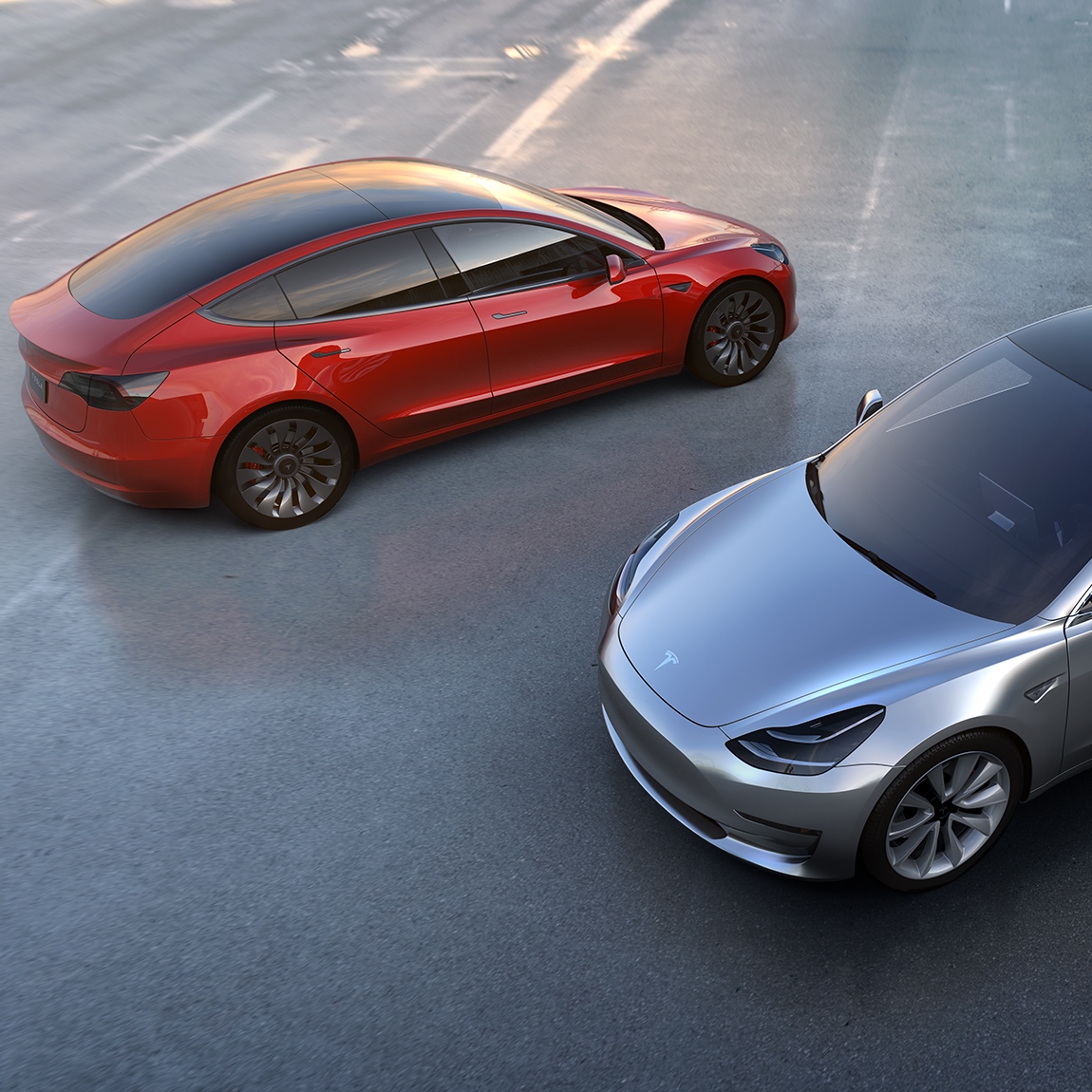
Tesla will need to deal with one more nagging piece of negative news. Its next hurdle is the launch of its mid-market Model 3, which carries a price below $40,000. The lingering anxiety is whether Tesla can build enough of the car to match demand.
[wallst_email_signup]






 Top Gaining Stocks
 Top Losing Stocks