



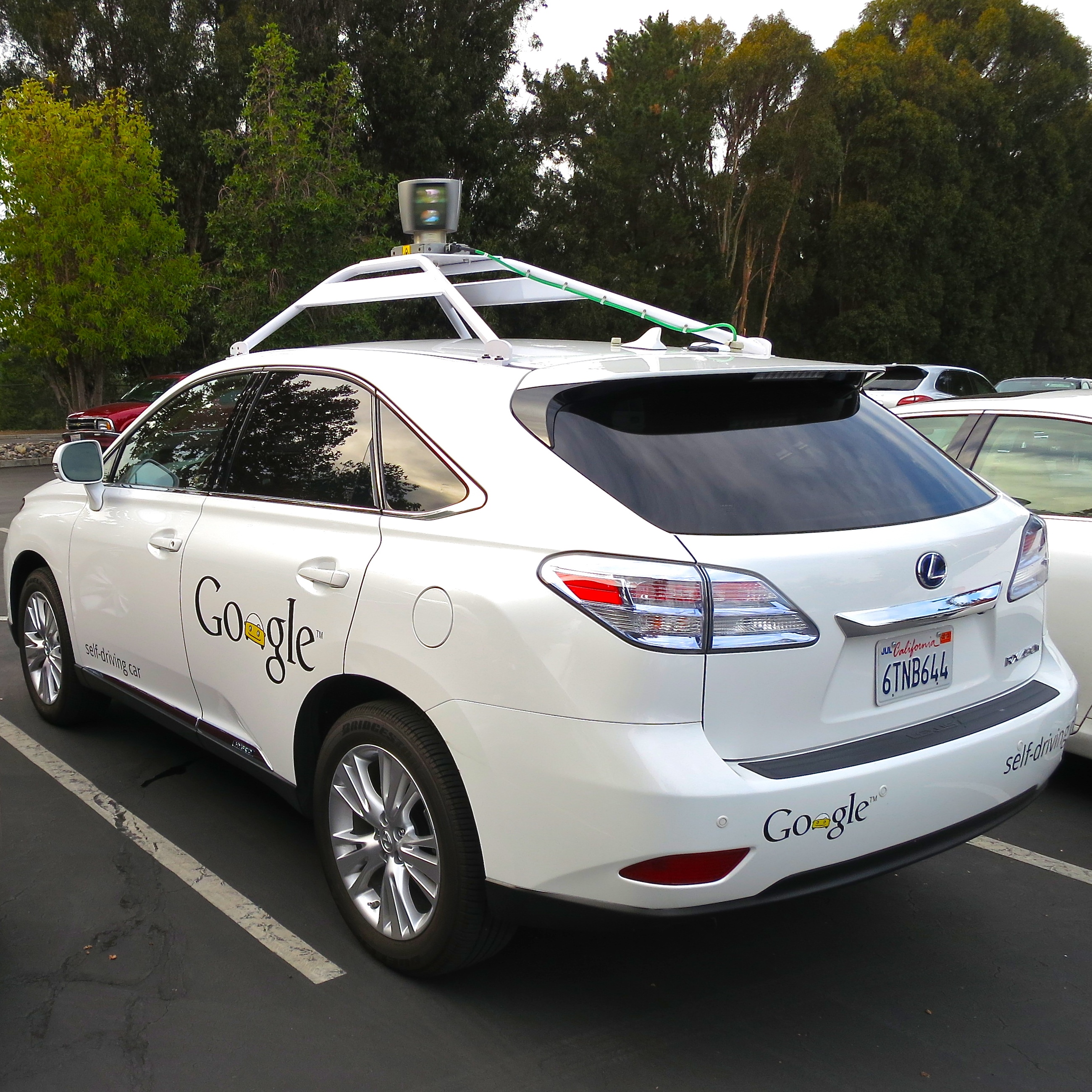
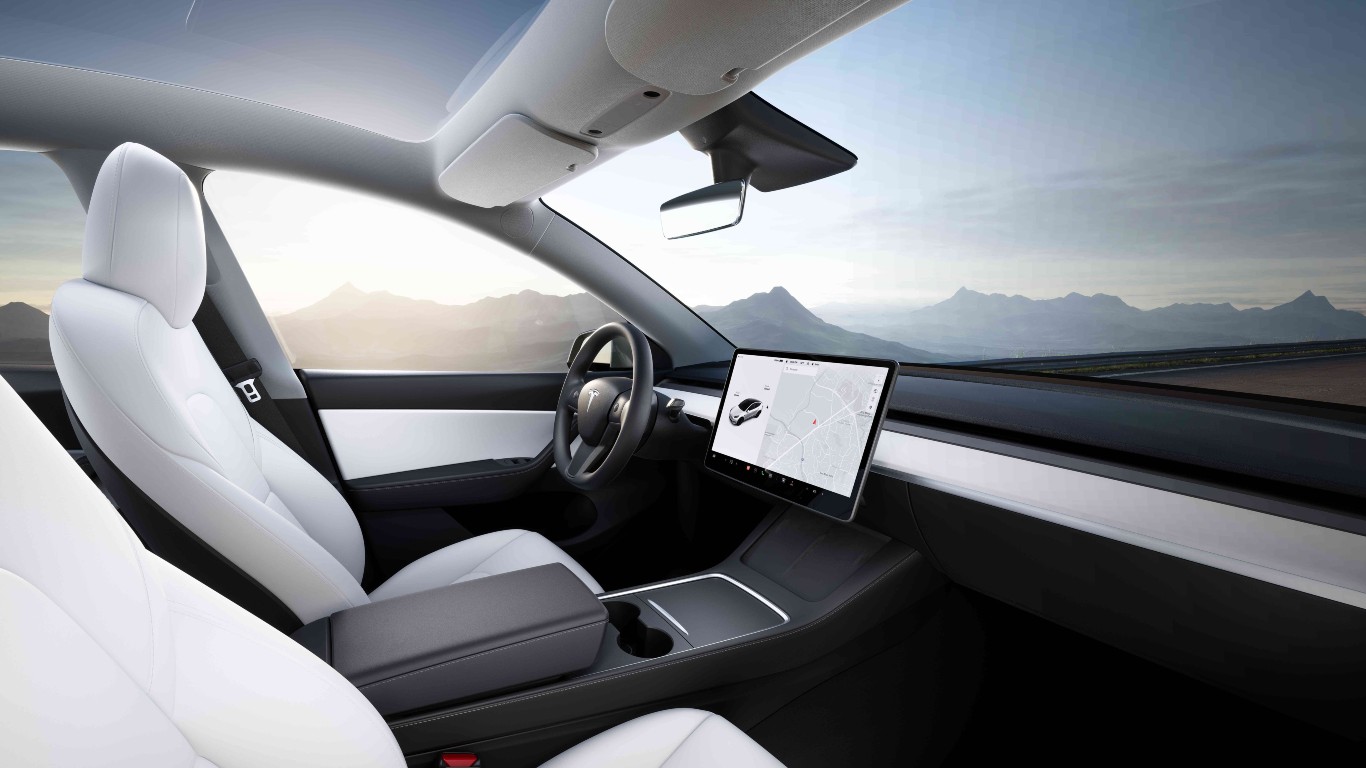
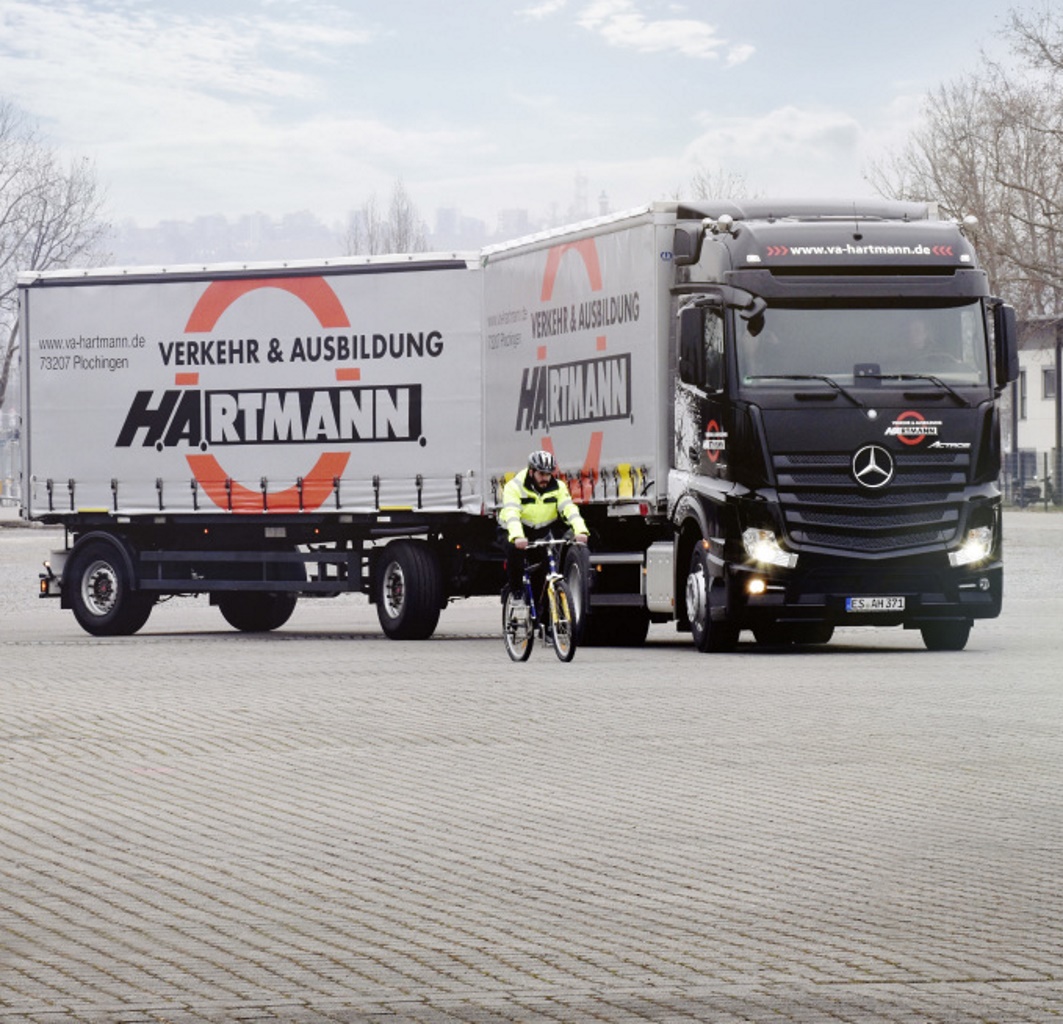
Every major automaker has invested at least something in autonomous (self-driving) vehicles. And the number of technology companies working on self-driving systems seems to grow daily.
But where do U.S. drivers come down? If the automakers and technologists can actually deliver self-driving cars, will Americans buy them?
A new survey from ReportLinker indicates that 53% of U.S. drivers would purchase a fully autonomous vehicle the next time they buy a car. Another 34% would purchase a partially autonomous vehicle, while just 13% want their next car to be just like their current car when it comes to self-driving capability. A year ago, 46% said they would purchase a fully autonomous car next time, while 46% said they would purchase a partially autonomous vehicle and 18% wanted no part of autonomous vehicles.
Among those who would buy a fully autonomous car, more than half (59%) are women. Researchers say that one explanation for this is that just 70% of women report that they drive every day, compared to 83% of men.
[nativounit]
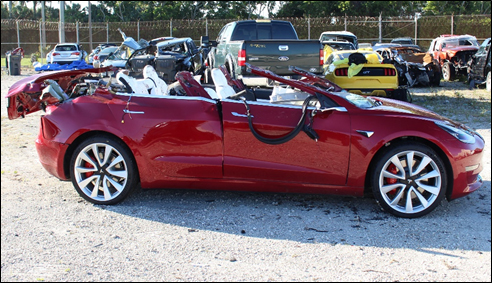
When asked if they would feel safe using a self-driving car, just 34% said they would while 67% said they would not.
The highest hurdle to adoption of autonomous vehicles is consumers concern for safety. The list of drawbacks to using self-driving cars includes:
- Road safety: 36% list as a drawback
- Acquisition cost: 18%
- Legal liability: 10%
- Vehicle security: 9%
- Cybersecurity: 7%
Only 7% saw no drawbacks to using a self-driving car.
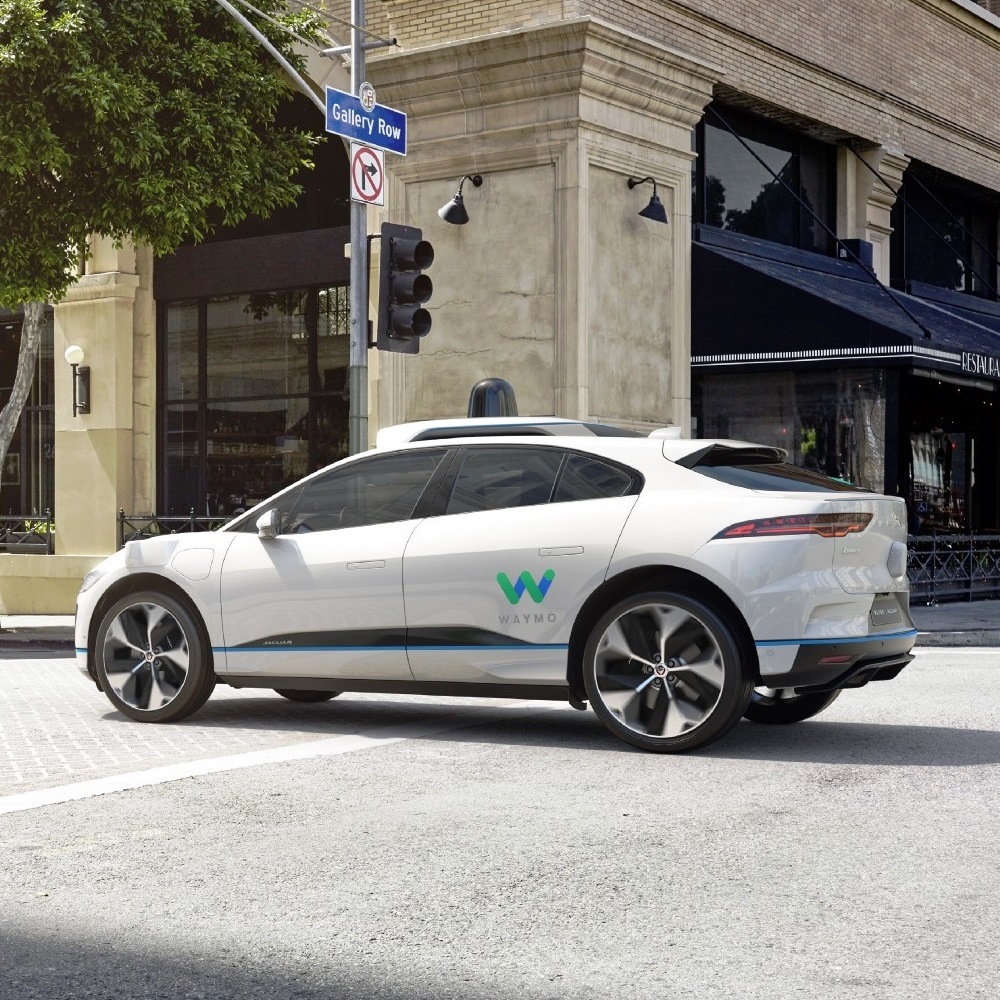
When asked which company is likeliest to create the most popular autonomous vehicles, this is how respondents replied:
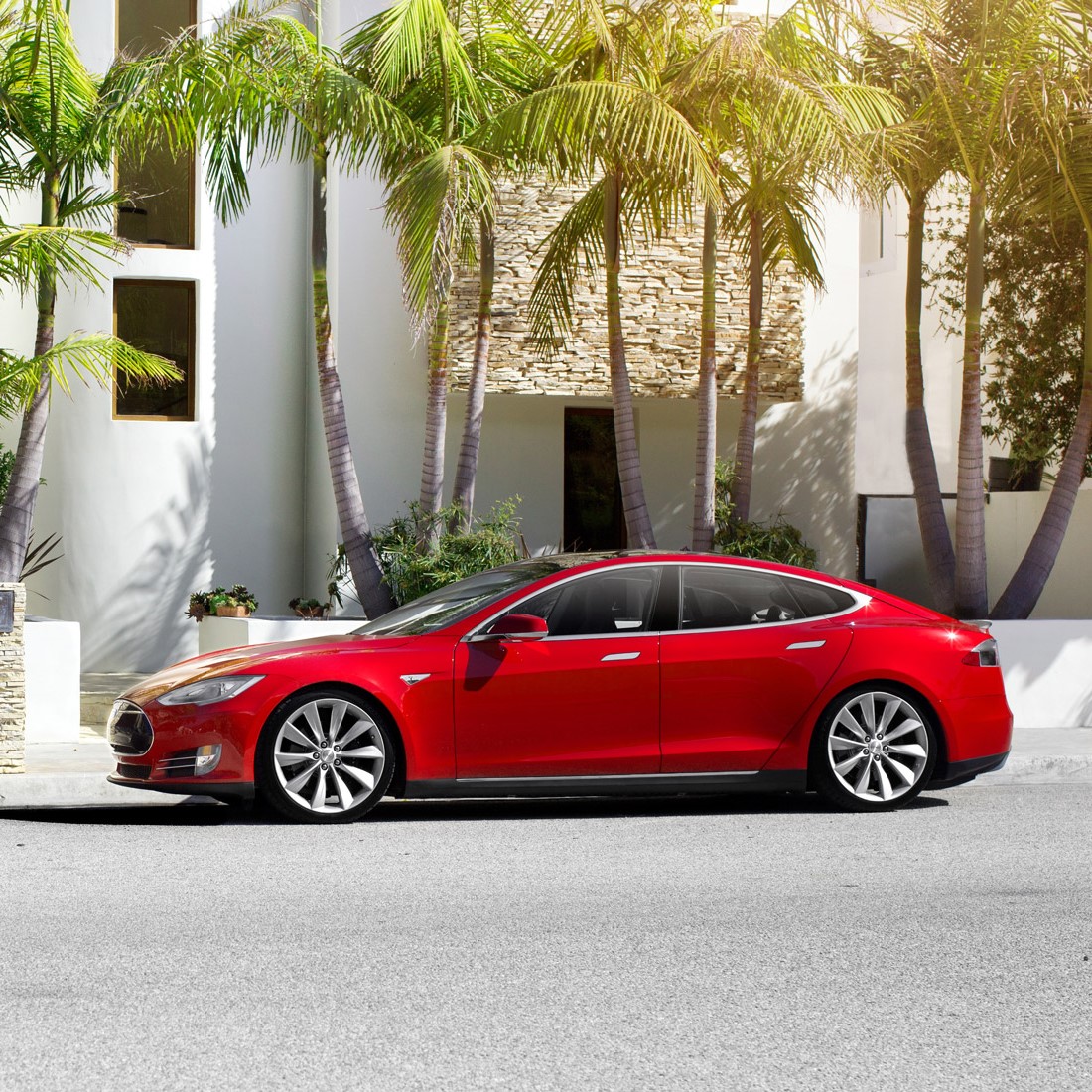
- Tesla: 19%
- Ford: 12%
- GM: 11%
- BMW, Google, Toyota: 9%
- Apple: 8%
- Audi: 7%
- Mercedes-Benz: 5%
- Honda: 4%
Technology companies like Tesla, Google and Apple are more trusted to develop autonomous vehicles (30%) than are traditional car makers (26%). A government-owned car maker gets just a 2% trust rating.
Finally, 65% of U.S. consumers say they would prefer to own their own vehicles while 35% say they’d rather use a self-driving vehicle through a car-sharing service such as Lyft or Uber. Either way, however, self-driving cars would be a growth driver for makers of autonomous vehicles.
The full report includes details on the year-over-year change in consumers’ preference for self-driving cars.
[wallst_email_signup]







 Top Gaining Stocks
 Top Losing Stocks