


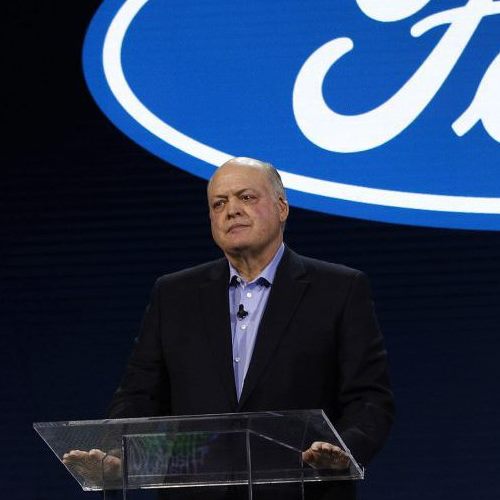
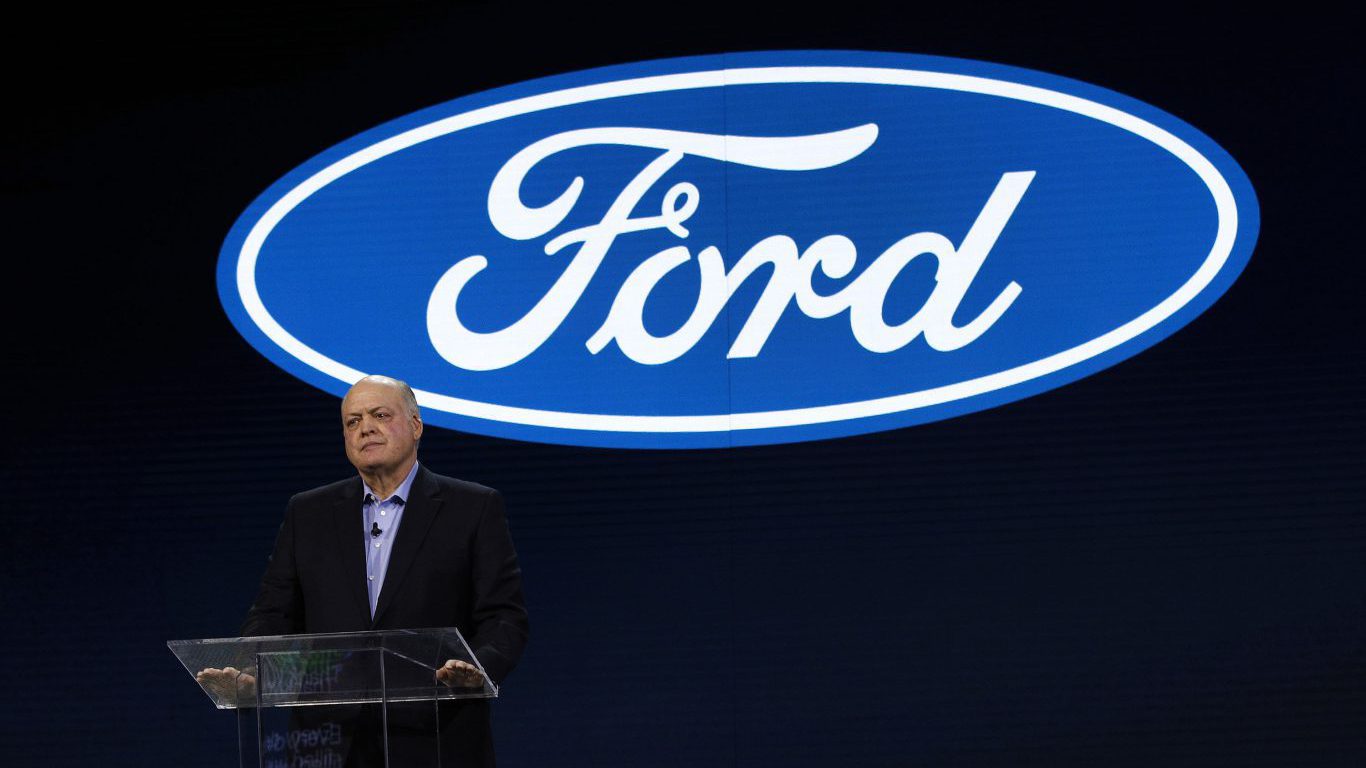
Ford Motor Co. (NYSE: F) CEO Jim Hackett released his plans for the company’s next five years. The programs meant to change the cost structure and investments by Ford over that period involve huge cost cuts. Hackett did not say so, but it is difficult to see how he can meet his goals without “downsizing” his workforce.
Hackett is not alone in his need to cut people to shrink costs in a car market that grows more competitive by the day, particularly in the new electric and autonomous car businesses. Some of his solutions are not new. Among them is to move more cars to common platforms, shaving R&D and product development costs. In all probability this will save manufacturing expense as well, which means less use of factory time. This combined with factory automation will reduce the need for factory workers.
As a matter of fact, cost cuts were a primary, if not the primary, focus of Hackett’s plan:
Ford is attacking costs, reducing automotive cost growth by 50 percent through 2022. As part of this, the company is targeting $10 billion in incremental material cost reductions. The team also is reducing engineering costs by $4 billion from planned levels over the next five years by increasing use of common parts across its full line of vehicles, reducing order complexity and building fewer prototypes.
[nativounit]
Ford is late in its decision to make large commitments to electronic and autonomous cars, which makes its future more risky than some other car companies. A very basic feature, connectivity, will finally be in 90% of Ford’s new global vehicles by 2020. Its specific goals for larger initiatives like electronic vehicles were not part of Hackett’s new vision. The lateness of the decisions means Ford has less room for error as it prepares for the next generation of global transportation. The ability to cut costs becomes even more central if Ford cannot keep pace with the other global manufacturers.
Ford listed a number of risk factors as it announced its new plans. Among them:
We cannot be certain that any expectation, forecast, or assumption made in preparing forward-looking statements will prove accurate, or that any projection will be realized. It is to be expected that there may be differences between projected and actual results.
Cost cuts, however, are something Ford investors, clients, suppliers and employees can count on. Some portion of those cuts almost certainly will mean people.
[wallst_email_signup]








 Top Gaining Stocks
 Top Losing Stocks