


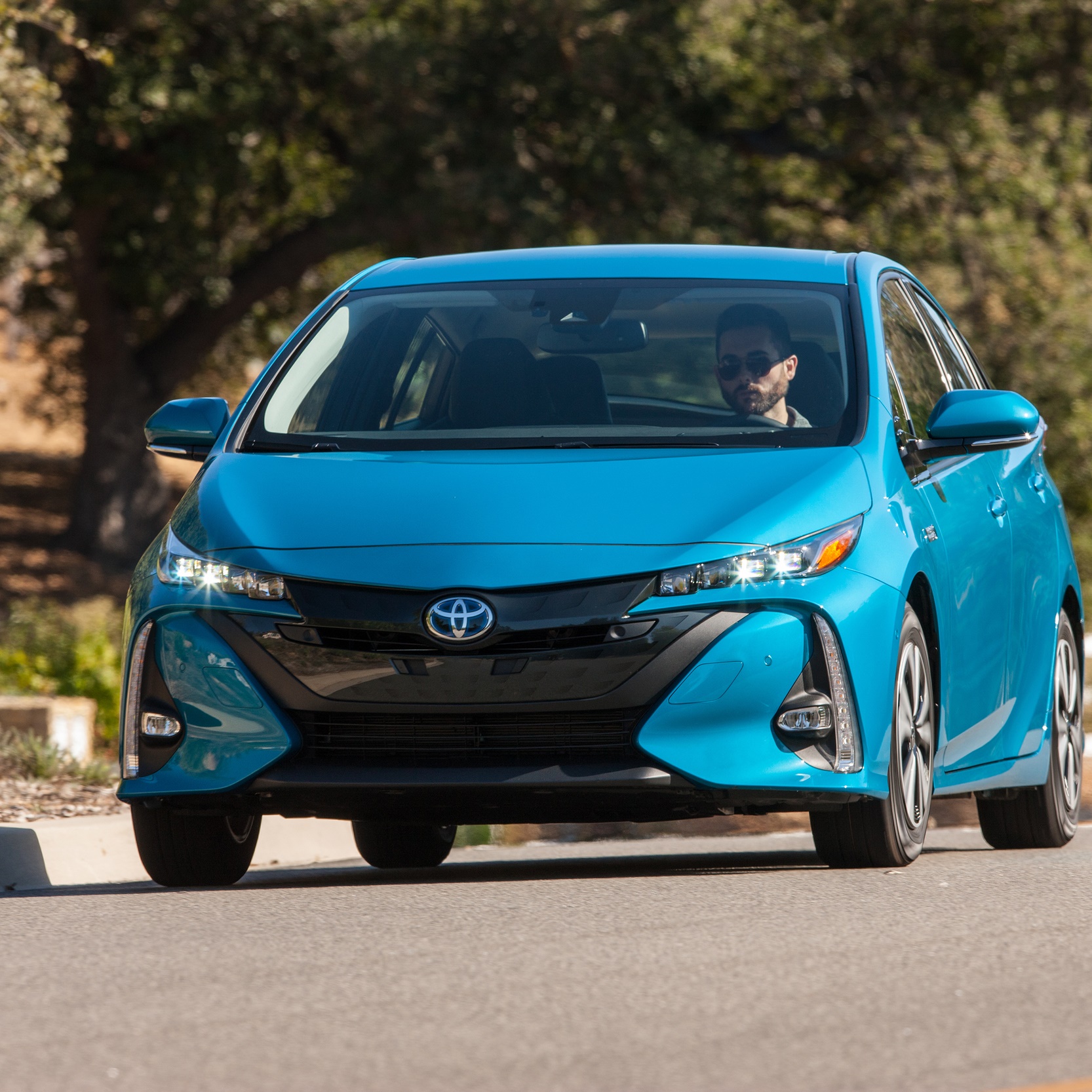
Toyota Motor Corp. (NYSE: TM) will take several huge steps into the electrified vehicle (EV) market and expects to build up a tremendous capacity to produce the cars in the decade from 2020 to 2030. It made a remarkably precise forecast for what will happen over 12 years from now. The Japanese car company says it will sell over 5.5 million EVs in 2030.
The roll-out will start in China, the world’s largest car market, and one in which EV will be popular to some extent because of problems with air pollution. What Toyota calls BEV (battery electric vehicles) will then be rolled out in the United States, Japan, India and Europe. Toyota claims that its decisions are part of its “mid to long term initiatives” to attack what many experts believe is the future of the car industry.
The company said it would have 10 new EVs set for sale by the early 2020s, an ambitious plan. Toyota also said that by 2025 “the number of models developed without an electrified version will be zero.”
[nativounit]
The final part of Toyota’s announcement about these major initiatives is that they will help the environment:
Toyota has been working toward creating ever-better cars and an ever-better society under the thinking of contributing to a sustainable society and creating mobility that brings smiles to customers. Addressing environmental challenges, such as global warming, air pollution, and limited natural resources and energy supply are of utmost importance to Toyota.
Toyota faces two major challenges. The first is that it will need to compete with every major car manufacturer in the world. In particular, not a single one of the large U.S. or European competition has not already released ambitious plans to be important players in the EV market. Additionally, Chinese car companies want a big part of their own market. That means the world’s largest car market will be especially competitive. If the past is any indication, the Chinese government may favor these local companies and help them take substantial market share.
Additionally, all EV plans assume that consumers will want these vehicles and abandon the gasoline-driven cars they have bought for decades. Low fuel prices may extend the period during which these cars and light trucks are viable, particularly if they become much more fuel efficient and cut emissions sharply with technology that includes clean diesel.
Toyota’s plans for the next decade plus are ambitious, but they may run into a wall of competition for a market that could be smaller than expected.
[wallst_email_signup]









 Top Gaining Stocks
 Top Losing Stocks