How Much Will a Fatal Accident Set Back Self-Driving Cars?

Photo of Douglas A. McIntyre
By Douglas A. McIntyre Updated Published
This post may contain links from our sponsors and affiliates, and Flywheel Publishing may receive compensation for actions taken through them.
How Much Will a Fatal Accident Set Back Self-Driving Cars?

© Thinkstock

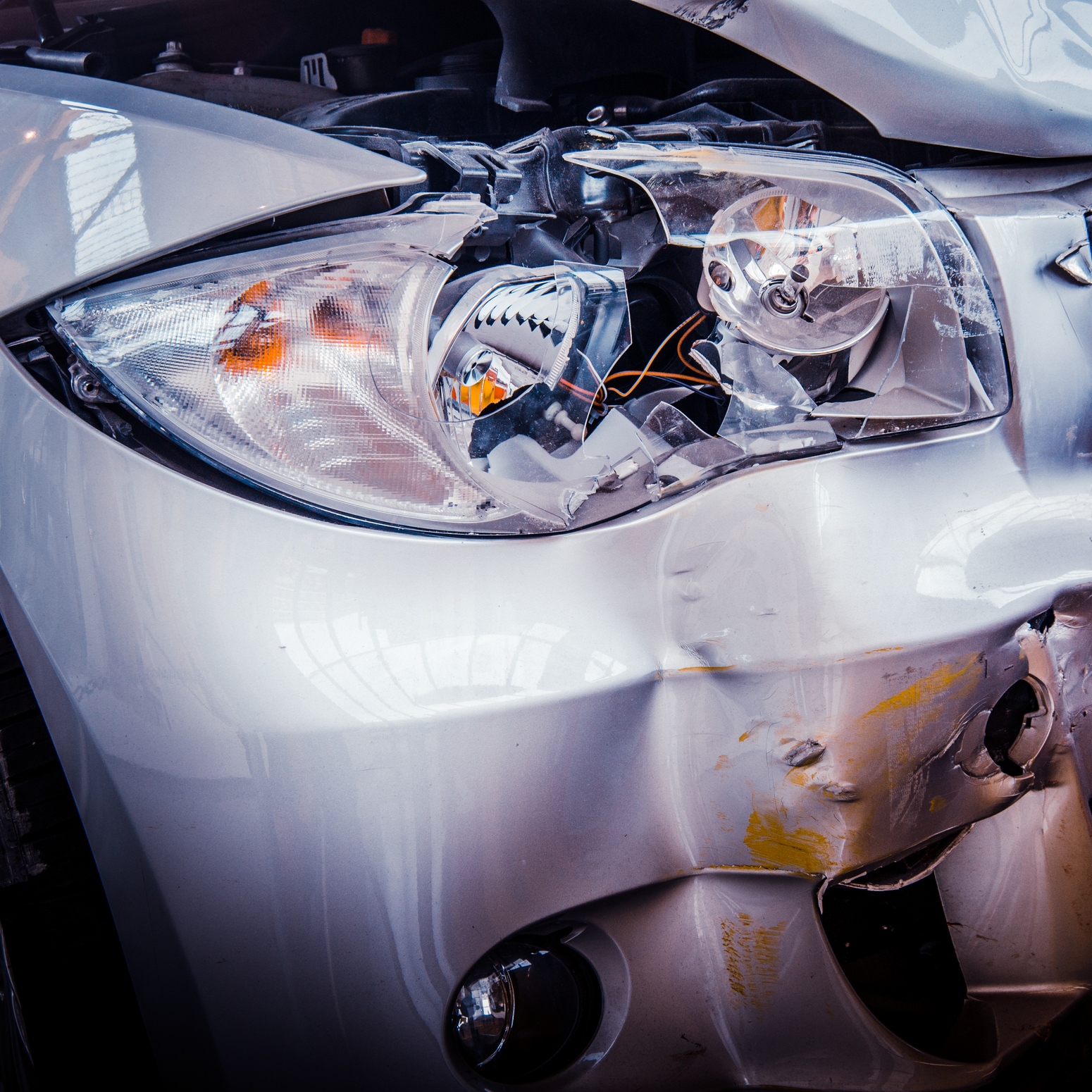
As self-driving car tests move from closed tracks to the open road and commercialization of the vehicles begins, one thing is certain. There is bound to be a fatal accident.

Over 40,000 people were killed in car accidents in 2016. Open roads offer too many hazards for that figure to be close to zero. Self-driving cars may cut out some of the major problems, particularly drunk driving and people who get sleepy at the wheel. However, accidents also are caused by careless pedestrians, bad weather and drivers who crash their cars in ways that affect other vehicles. The idea that self-driving cars will eliminate all accidents is fanciful.

Self-driving cars already have been involved in accidents. These include vehicles operated by Alphabet Inc.’s (NASDAQ: GOOGL) Waymo, a Ford Motor Co. (NYSE: F) operated vehicle, and cars from Tesla Inc. (NASDAQ: TSLA) and General Motors Co. (NYSE: GM). The National Transportation Safety Board released a report last September that said a Tesla system was in part responsible for a fatal accident. Tesla challenged the finding. The decision will remain the topic of debate, but it leaves open the question of whether a self-driving car accident already has been fatal.

[nativounit]

One fact from a recent Pew study is that a number of Americans are anxious about the emerging technology. Likely, a fatal crash, which would be widely reported because of the attention self-driving cars have received, would push anxiety and challenge demand. Pew reported:

Comparable shares of Americans describe themselves as being “very enthusiastic” (11%) and “very worried” (14%) about the development of driverless vehicles, but twice as many describe themselves as being “not at all” enthusiastic (22%) as opposed to not at all worried (11%).

Part of the marketing effort of all self-driving car companies is that their vehicles will be safer than those operated by humans. That may be true. However, a fatal accident could jar the public’s belief in that claim. And self-driving car demand will be affected.

[wallst_email_signup]

Photo of Douglas A. McIntyre
About the Author Douglas A. McIntyre →

Douglas A. McIntyre is the co-founder, chief executive officer and editor in chief of 24/7 Wall St. and 24/7 Tempo. He has held these jobs since 2006.

McIntyre has written thousands of articles for 24/7 Wall St. He is an expert on corporate finance, the automotive industry, media companies and international finance. He has edited articles on national demographics, sports, personal income and travel.

His work has been quoted or mentioned in The New York Times, The Wall Street Journal, Los Angeles Times, The Washington Post, NBC News, Time, The New Yorker, HuffPost USA Today, Business Insider, Yahoo, AOL, MarketWatch, The Atlantic, Bloomberg, New York Post, Chicago Tribune, Forbes, The Guardian and many other major publications. McIntyre has been a guest on CNBC, the BBC and television and radio stations across the country.

A magna cum laude graduate of Harvard College, McIntyre also was president of The Harvard Advocate. Founded in 1866, the Advocate is the oldest college publication in the United States.

TheStreet.com, Comps.com and Edgar Online are some of the public companies for which McIntyre served on the board of directors. He was a Vicinity Corporation board member when the company was sold to Microsoft in 2002. He served on the audit committees of some of these companies.

McIntyre has been the CEO of FutureSource, a provider of trading terminals and news to commodities and futures traders. He was president of Switchboard, the online phone directory company. He served as chairman and CEO of On2 Technologies, the video compression company that provided video compression software for Adobe’s Flash. Google bought On2 in 2009.

Featured Reads

Our top personal finance-related articles today. Your wallet will thank you later.

Continue Reading

Top Gaining Stocks

CBOE Vol: 1,568,143
PSKY Vol: 12,285,993
STX Vol: 7,378,346
ORCL Vol: 26,317,675
DDOG Vol: 6,247,779

Top Losing Stocks

LKQ
LKQ Vol: 4,367,433
CLX Vol: 13,260,523
SYK Vol: 4,519,455
MHK Vol: 1,859,865
AMGN Vol: 3,818,618