


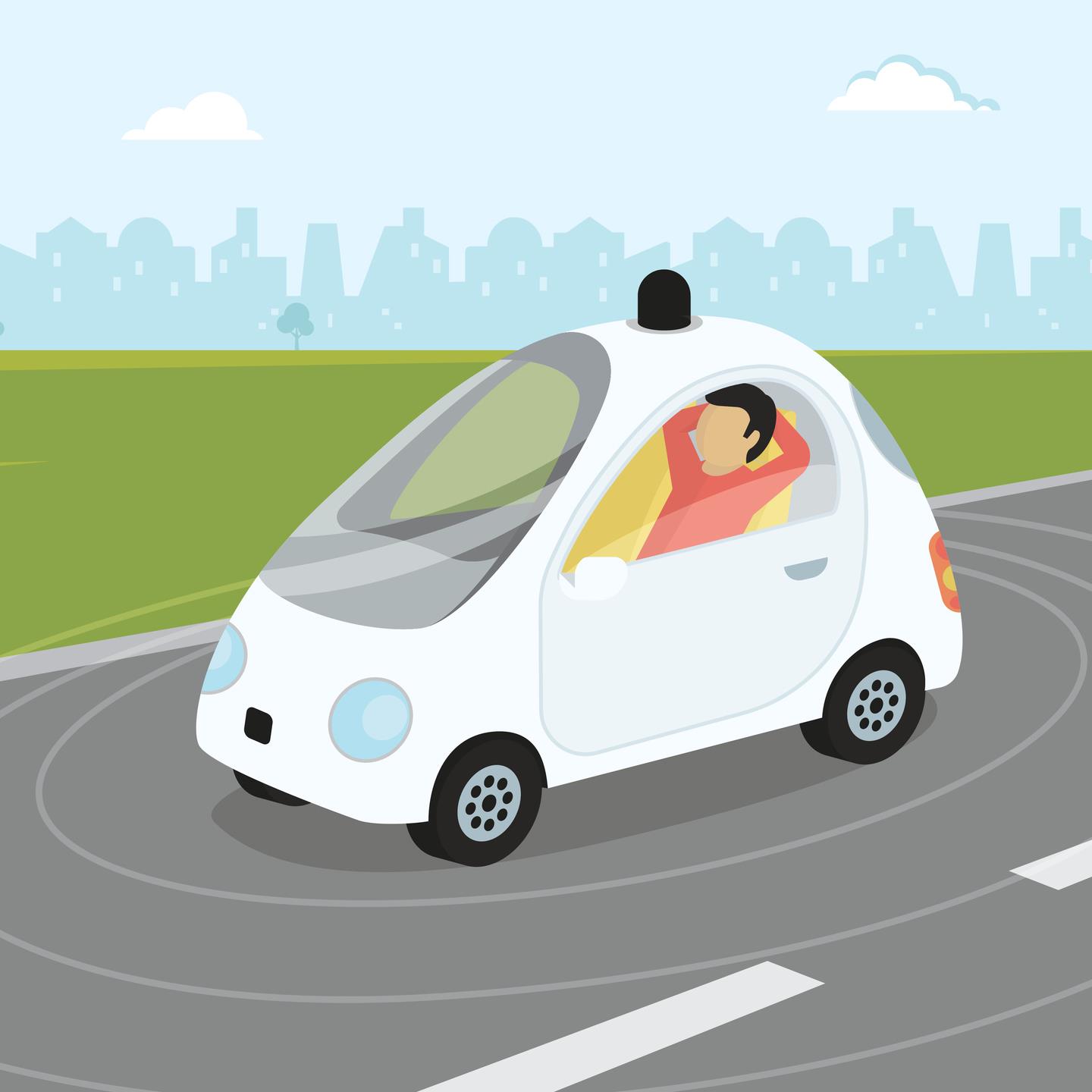
A pedestrian was killed by an Uber self-driving car near Phoenix. The incident threatens an industry in which scores of companies have spent over $80 billion in research.
According to a Brookings Institute study from late last year, more than $80 billion has been invested in the industry between 2014 and 2018. This includes firms both large and small, in the auto electronics, artificial intelligence, sensor, microchip, digital mapping, ride app and physical systems sectors.
Among the conclusions of the research:
The data collected related to more than 160 separate deals, including investments, partnerships, and acquisitions. The announced figures for these deals approach $80 billion dollars. Given the limitations on available information discussed above, it is reasonable to presume that total global investment in autonomous vehicle technology is significantly more than this.
This means the total will hit $100 billion soon.
[nativounit]
According to a Pew survey, Americans already are worried about the safety of these vehicles. Late last year it published a report titled “Americans’ Attitudes Toward Driverless Vehicles” as part of its Automation in Everyday Life series. Researchers found:
As is true of a number of the concepts examined in this survey, more Americans express worry than enthusiasm about the development of driverless vehicles: 40% are at least somewhat enthusiastic about this development, while 54% express some level of worry. Comparable shares of Americans describe themselves as being “very enthusiastic” (11%) and “very worried” (14%) about the development of driverless vehicles, but twice as many describe themselves as being “not at all” enthusiastic (22%) as opposed to not at all worried (11%).
An AAA study from earlier this year showed a similar anxious attitude toward the technology:
American drivers are beginning to embrace self-driving vehicles, according to a new study from AAA. The annual survey reveals that 63 percent of U.S. drivers report feeling afraid to ride in a fully self-driving vehicle, a significant decrease from 78 percent in early 2017. Millennial and male drivers are the most trusting of autonomous technologies, with only half reporting they would be afraid to ride in a self-driving car.
Whatever concerns Americans have about these vehicles will grow exponentially among many after the Uber incident. The worried won’t be consumers.
[wallst_email_signup]







 Top Gaining Stocks
 Top Losing Stocks