



In the first four months of 2019, about 92% of the cars and trucks built in Mexico were exported to the United States. That represents about 1.03 million vehicles through April, a year-over-year increase of 8.6%.
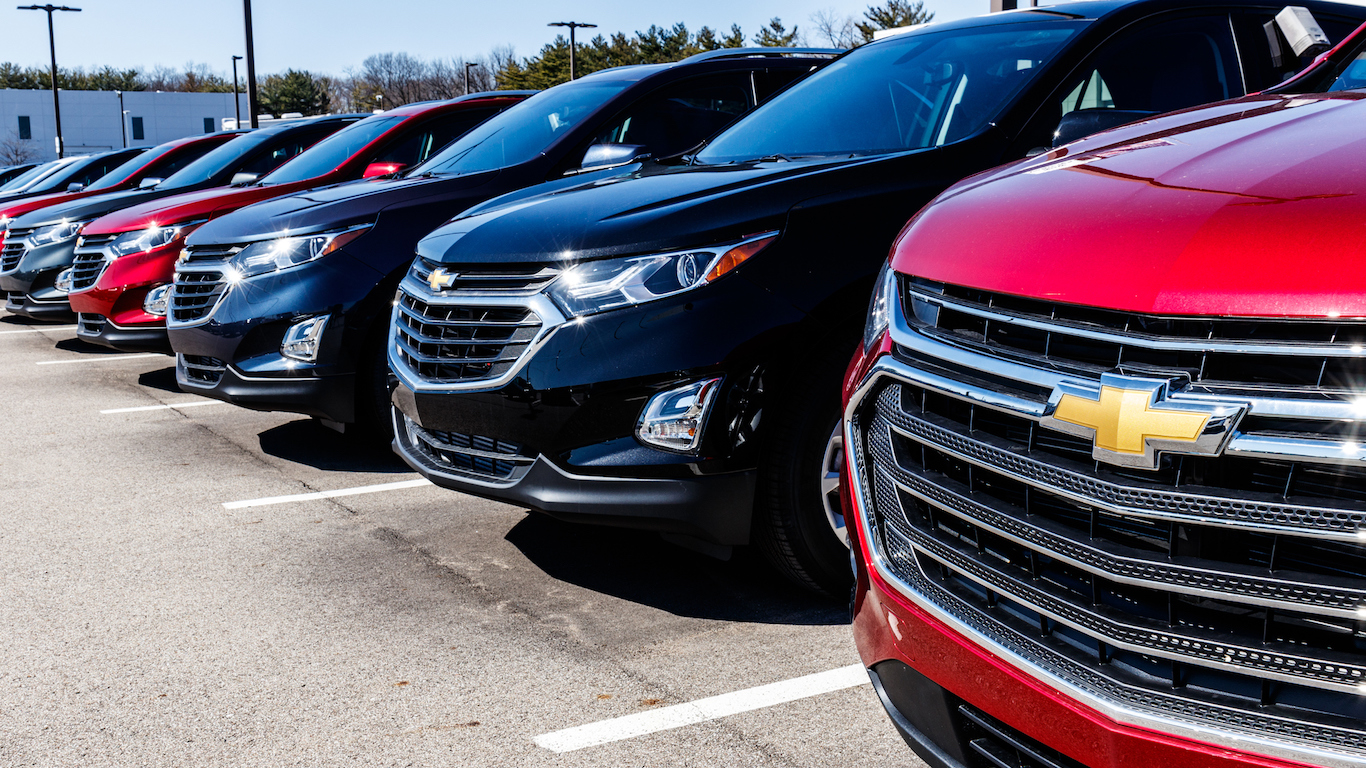
General Motors Co. (NYSE: GM | GM Price Prediction) has exported 266,000 vehicles built in Mexico (more than 99% of its total production there) to the United States, more than any other automaker. Fiat Chrysler Automobiles N.V. (NYSE: FCAU) has exported nearly 147,000 (about 88% of Mexican production) and Ford Motor Co. (NYSE: F) has shipped about 101,000 (about 95% of all Mexican-made vehicles). Nissan and Volkswagen are the other major auto exporters, with 162,000 (98% of total production) and 112,000 (about 87%) vehicle exports, respectively.
Assuming that the three big U.S. carmakers export at a similar rate for the remaining eight months of the year, Mexico will export around 3.1 million vehicles to the United States in 2019. Beginning on June 10, every U.S. vehicle imported from Mexico will be subject to a 5% tariff. That tariff rate will rise by 5% on the first of the next four months, raising the tariff to 25%, where it will remain indefinitely.
The White House announcement sent U.S. equity markets into a tailspin in Friday’s premarket session. At last look, the Dow Jones industrials were down about 1.2%, the Nasdaq Composite down about 1.4% and the S&P 500 down about 1.3%.
[nativounit]
According to a statement from the White House released Thursday, here is what the president demands: “If the illegal migration crisis is alleviated through effective actions taken by Mexico, to be determined in our sole discretion and judgment, the Tariffs will be removed.” The tariffs will apply to all goods imported from Mexico, not just autos.
Automakers, already struggling with falling sales, will be especially hard hit. So far the only weapon automakers have been able to use to maintain profitability is higher prices. It is highly unlikely that any will be able to absorb the cost of the tariff, even at its lowest 5% level, and continue to make a profit.
That means American consumers will see even steeper prices for new cars. If history is any guide, consumers will respond by looking for a good used car. According to Ivan Drury, senior manager of industry analysis at auto industry research firm Edmunds, “New cars are getting so expensive that they’re out of reach for many car shoppers, but there are so many more affordable used vehicles coming off lease that the market is naturally shifting in that direction.”
Last year, Americans bought 40.2 million used cars. That’s about 2.5 times as many as the 17 million new cars purchased in 2018. Edmunds forecast in March that 2019 used car sales would rise to near 41 million while new car sales will be flat with last year. If tariffs on vehicles imported from Mexico reach 25%, new car sales could decline even further.
Earlier this month, the Trump administration delayed for six months threatened tariffs on imports of vehicles made in Japan and Europe. The president is citing his authority under a 1977 law that allows him to impose tariffs in cases of a national emergency. He cited a national emergency earlier this year in a similar effort to divert congressional appropriations for defense to fund a wall along the U.S.-Mexico border. A federal judge blocked that effort last week.
[recirclink id=550950]
[wallst_email_signup]











 Top Gaining Stocks
 Top Losing Stocks