


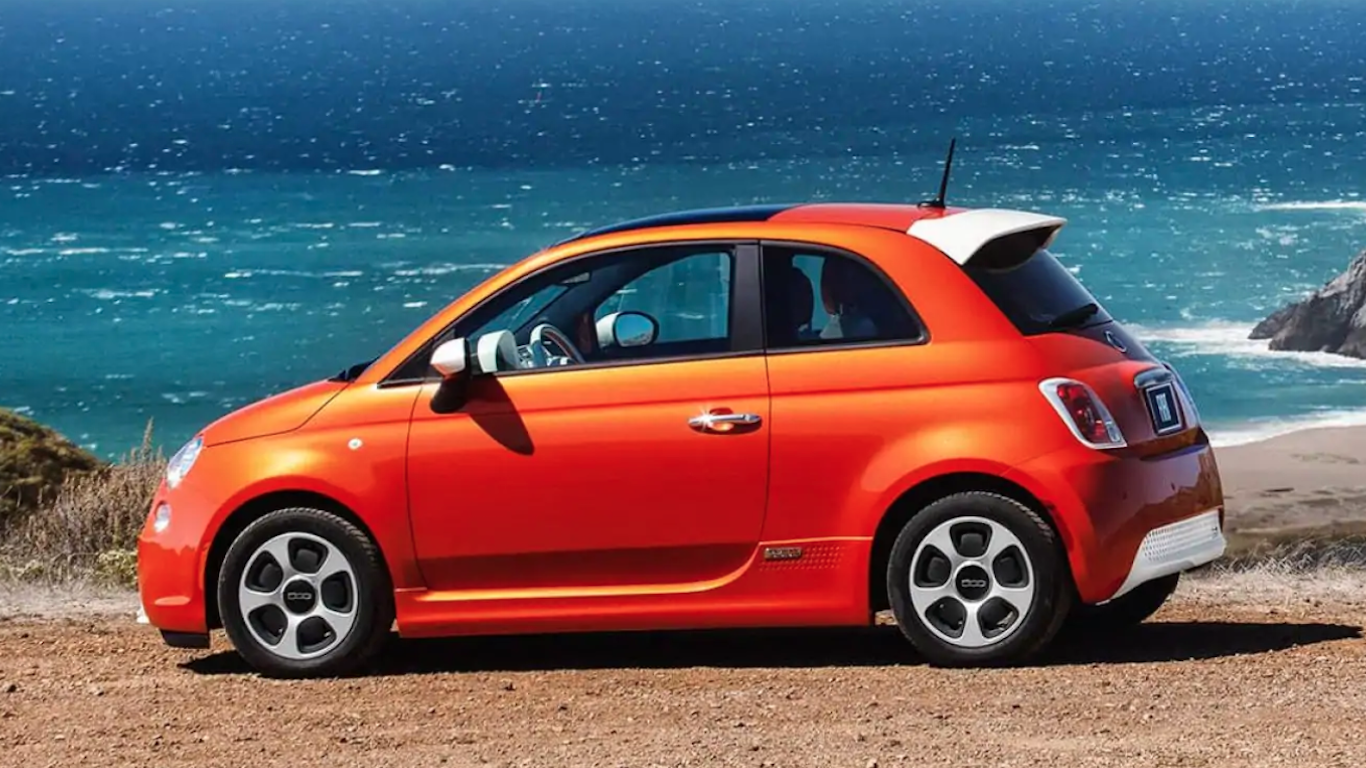
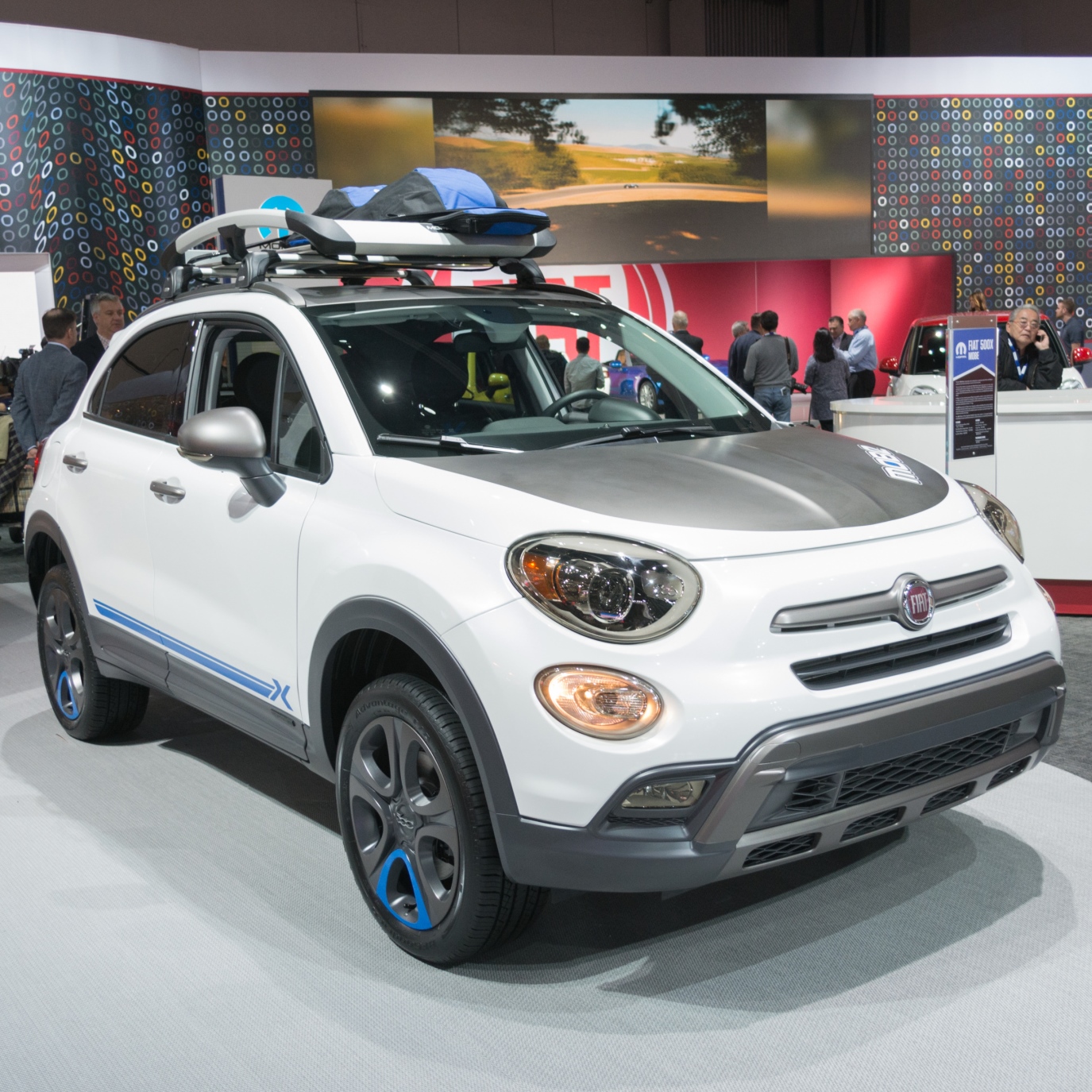
U.S. sales of Fiat Chrysler Automobiles N.V. (NYSE: FCAU) Fiat badged cars has been dismal for a long time. In the first half of this year, sales of the 500, 500L, 500X and the Spider were down 38% year over year to just 5,103 units. In a three-sentence statement released this past weekend, the company announced that it would discontinue production of the Fiat 500 and its electrified cousin, the 500e, in North America and that remaining inventory of the cars is sufficient to last “into 2020.”
The 500 and 500e have been built at the company’s plant in Toluca, Mexico, and FCA did not indicate which, if any, vehicles would be built at the plant. The company plans to build an all-new 500e electric model at its plant in Turin
Fiat withdrew from the U.S. car market in the 1980s before returning in 2011. It was an ill-timed move that relied heavily on the perception that “because [Americans] like gelato and pasta” they would buy Italian cars, according to late CEO Sergio Marchionne, who concluded, “This is nonsense.”
According to Automotive Week, Fiat sales peaked in 2014 at around 46,000 units and have plunged every year since, reaching just 15,521 last year. Fiat-branded vehicles have accounted for just 5,103 sales in the first six months of this year and 500/500e sales for just 1,692 of those.
[nativounit]
In June, the last month for which data is available, FCA sold just 903 units in the U.S. market, fewer than 31 per day. The company’s best-selling vehicle in June was the Spider, with unit sales of 337.
In addition to facing stiff competition from the likes of Toyota and Nissan in the market for small, fuel-efficient passenger cars, FCA also had just four models for customers to choose from and they generally resided at the bottom of any list based on new-car quality.
A bigger problem, perhaps, was falling gasoline prices, which led to more American buyers turning to large SUVs, crossovers and pickups. FCA’s Jeep and Ram brands have been solid performers for the company over the past several years, both in unit sales and margins. It no longer makes sense for FCA to try to compete in a market segment where its offerings are proven losers.
FCA’s share price added about half a point on Tuesday, the first U.S. trading day following the Labor Day holiday weekend, to close at $13.20. Shares traded up about 2% in Wednesday’s premarket at $13.46, in a 52-week range of $12.11 to $18.50. The 12-month consensus price target on the stock is $18.10.
[recirclink id=573831]
[wallst_email_signup]








 Top Gaining Stocks
 Top Losing Stocks