


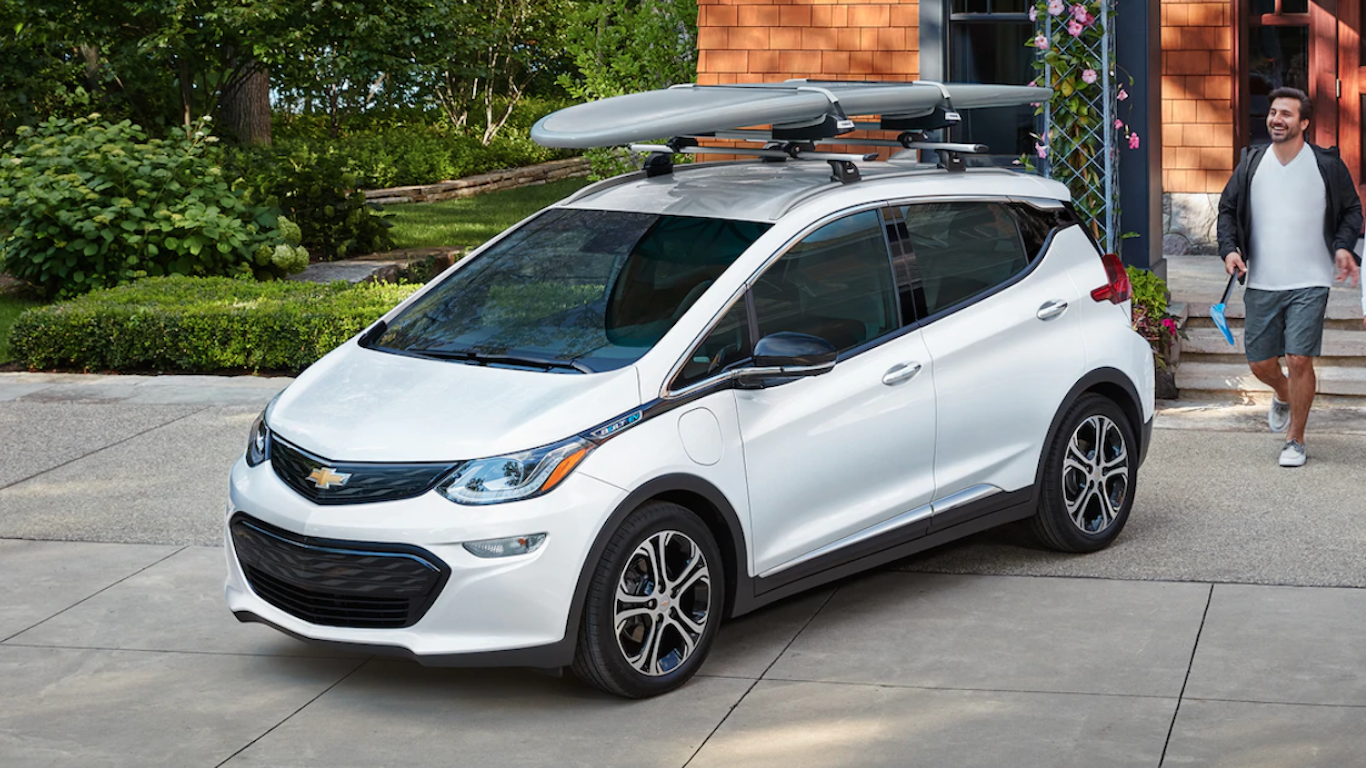
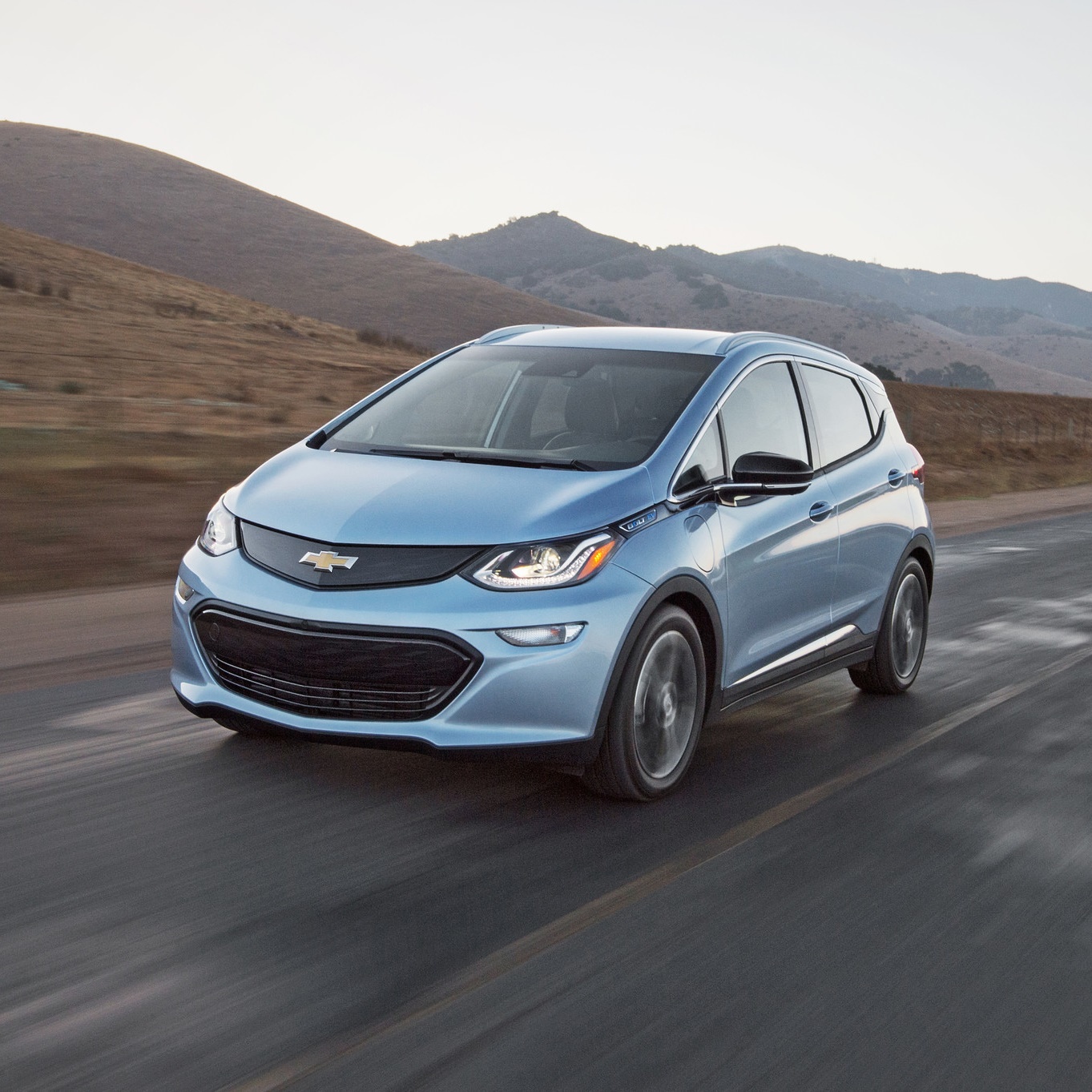
Last Friday, General Motors Co. (NYSE: GM | GM Price Prediction) issued a recall notice for nearly 51,000 of its all-electric Chevy Bolt vehicles sold in the United States due to an increased risk of fire when the car’s lithium-ion battery is charged to full or very nearly full capacity. Nearly 69,000 vehicles manufactured between 2017 and 2019 were covered by the recall.
The recall follows two reports of fires in cars that were parked and unattended. Neither battery was being charged at the time the fires reportedly occurred.
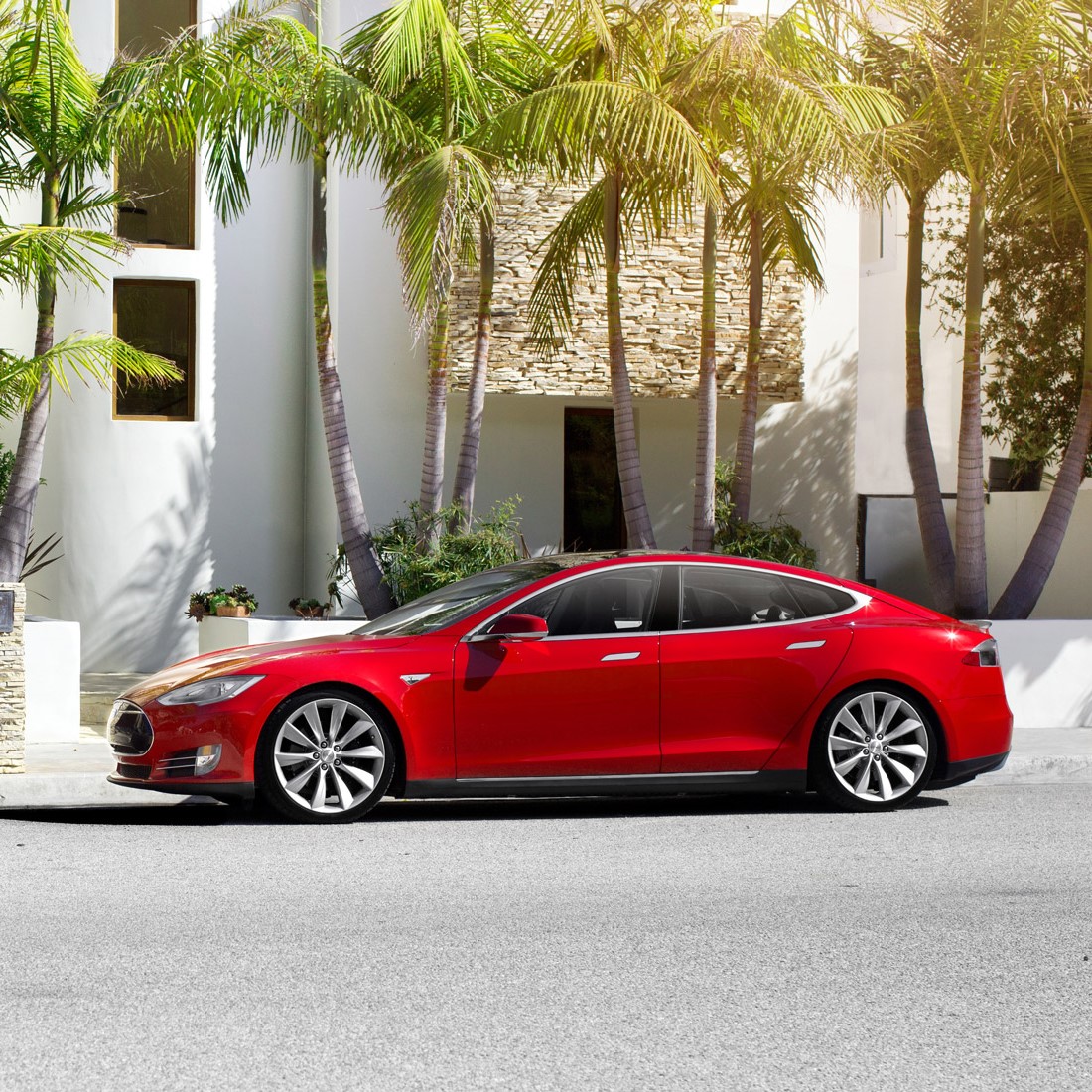
In October 2019, the National Highway Traffic Safety Administration (NHTSA) began an investigation into possible battery defects in both the Model S and Model X vehicles manufactured by Tesla Inc. (NASDAQ: TSLA) between 2012 and 2019. The fires, like those in the Chevy Bolts, were not related to collisions or other impact damage to the battery packs.
Tesla used its over-the-air software update capability to limit the amount of charge allowed in its battery. GM, lacking that capability, will notify Bolt owners beginning Tuesday to take their vehicles to a dealer where the propulsion control module will be reprogrammed to limit a full charge to 90% of battery capacity.
[nativounit]
Owners of 2017 and 2018 model-year vehicles have been advised to activate the Bolt’s Hill Top Reserve function and owners of 2019 vehicles have told to activate the Target Charge Level to 90%.
In both the Tesla and Chevy cases, a permanent fix is still being developed.
Because GM is notifying owners of the workaround, the company likely will avoid the negative reaction some Tesla owners had when they notice that their car’s full-charge level had decreased by 5% or more.
One of the main selling points of electric vehicles is their range between charges. If that range has to be reduced by 5% or 10% due to battery design or manufacturing flaw, customers may be reluctant to make the purchase. And the automaker could face false advertising claims from owners, which could lead to expensive battery swaps or even more expensive legal action.
GM CEO Mary Barra told Barron’s last week that the company sees a “huge opportunity” to lift electric vehicle demand and needs to provide customers with an ownership experience that’s “really all upside.” A battery expected to yield 250 miles per charge that has been throttled back to a maximum of 225 miles does not represent an upside.
GM stock traded up about 1.7% early Monday to $41.89, after posting a new 52-week high of $41.99 earlier. The 52-week low is $14.33, and the consensus price target on the stock is $46.99.
[recirclink id=806032][wallst_email_signup]






 Top Gaining Stocks
 Top Losing Stocks