Could the US Government Buy 100,000 Tesla EVs?

Photo of Douglas A. McIntyre
By Douglas A. McIntyre Published
This post may contain links from our sponsors and affiliates, and Flywheel Publishing may receive compensation for actions taken through them.
Could the US Government Buy 100,000 Tesla EVs?

© jetcityimage / iStock Editorial via Getty Images

24/7 Wall St. Insights

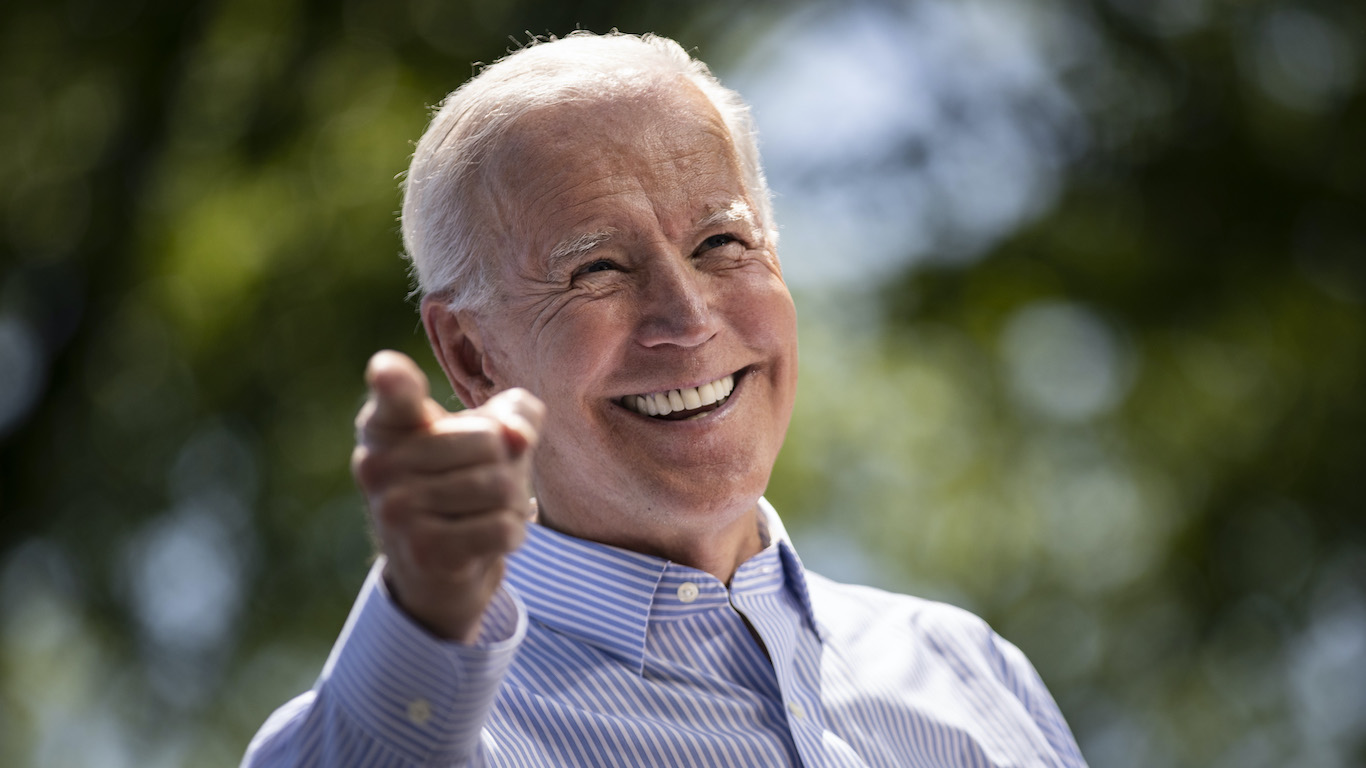
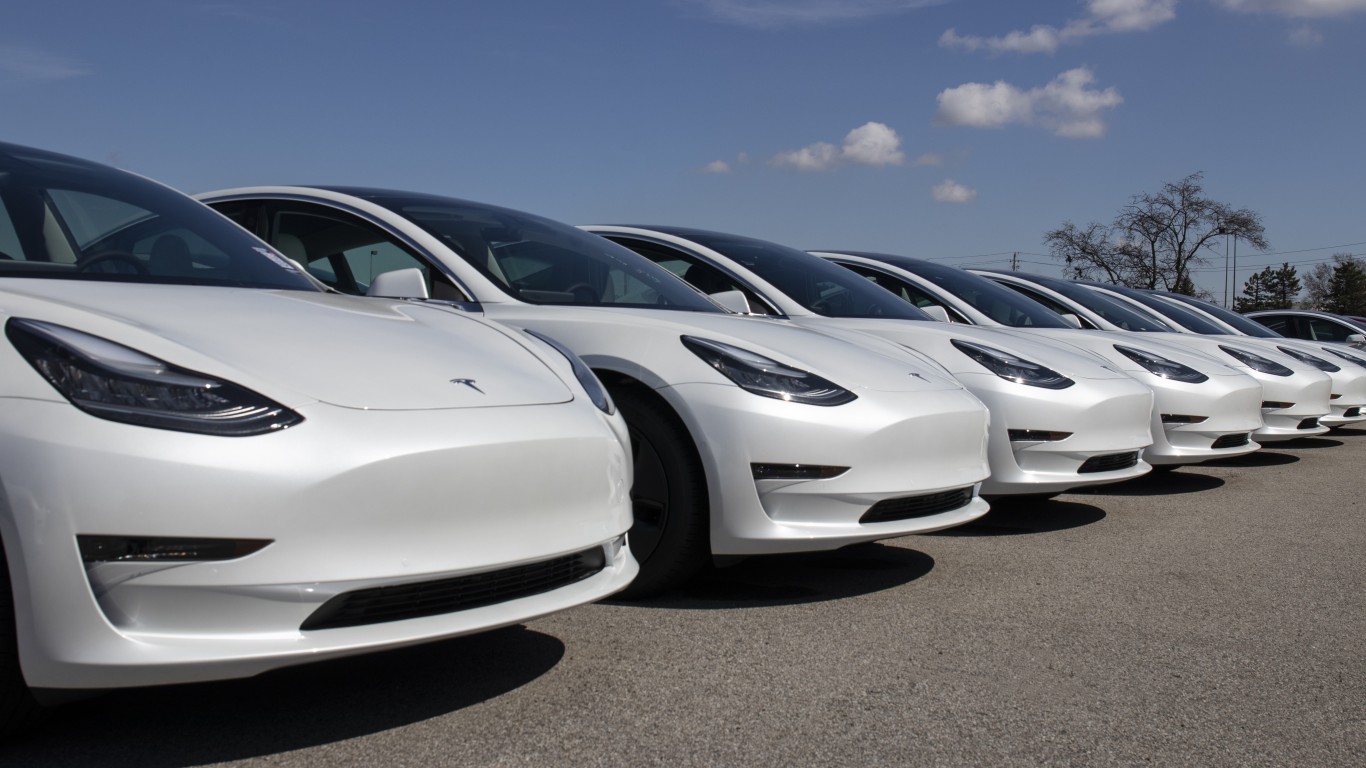
The Biden administration has set a goal that most federal vehicles bought by 2035 will be zero-emission. That year, it will end the purchase of gasoline-powered cars completely. The number of federally owned vehicles currently totals 380,000, of which just over 112,000 are cars. As the largest electric vehicle (EV) maker in the United States, Tesla Inc. (NASDAQ: TSLA) may have the inside track to provide many of these.

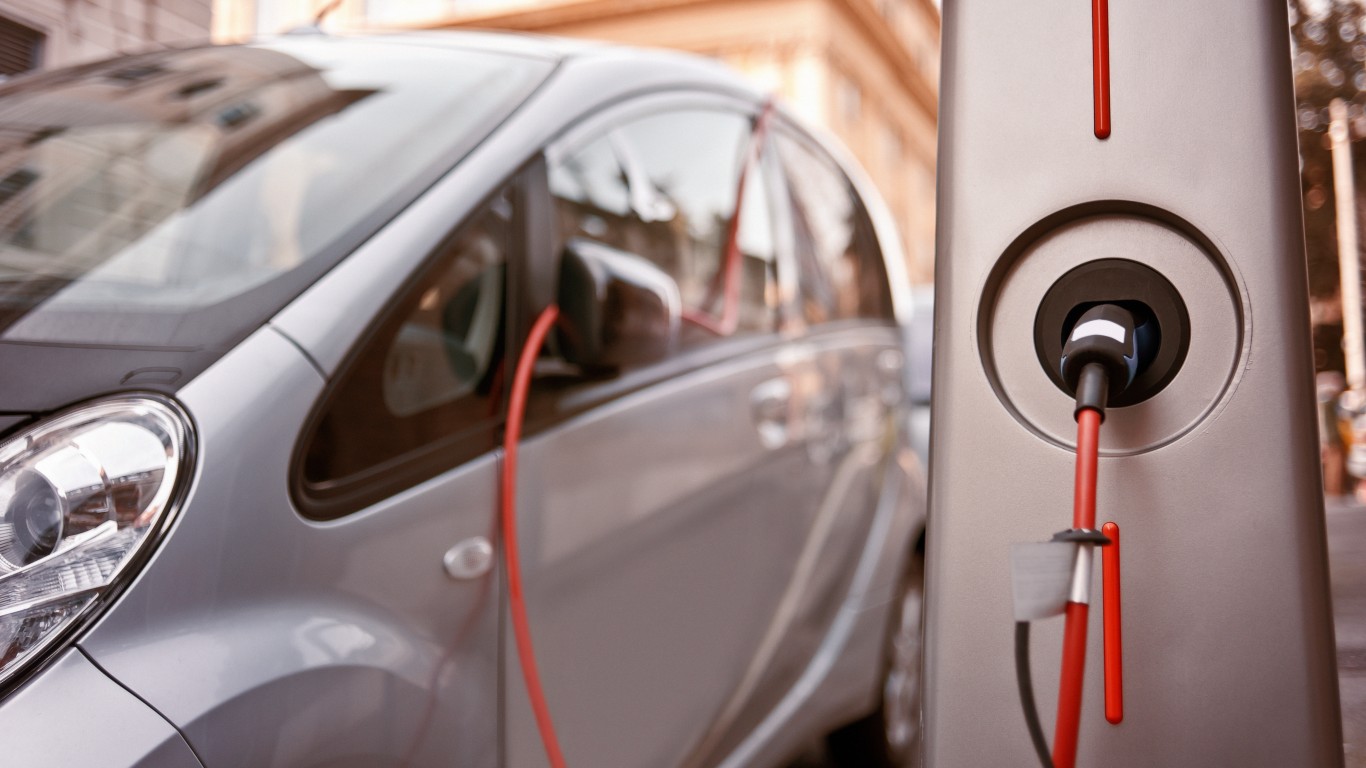
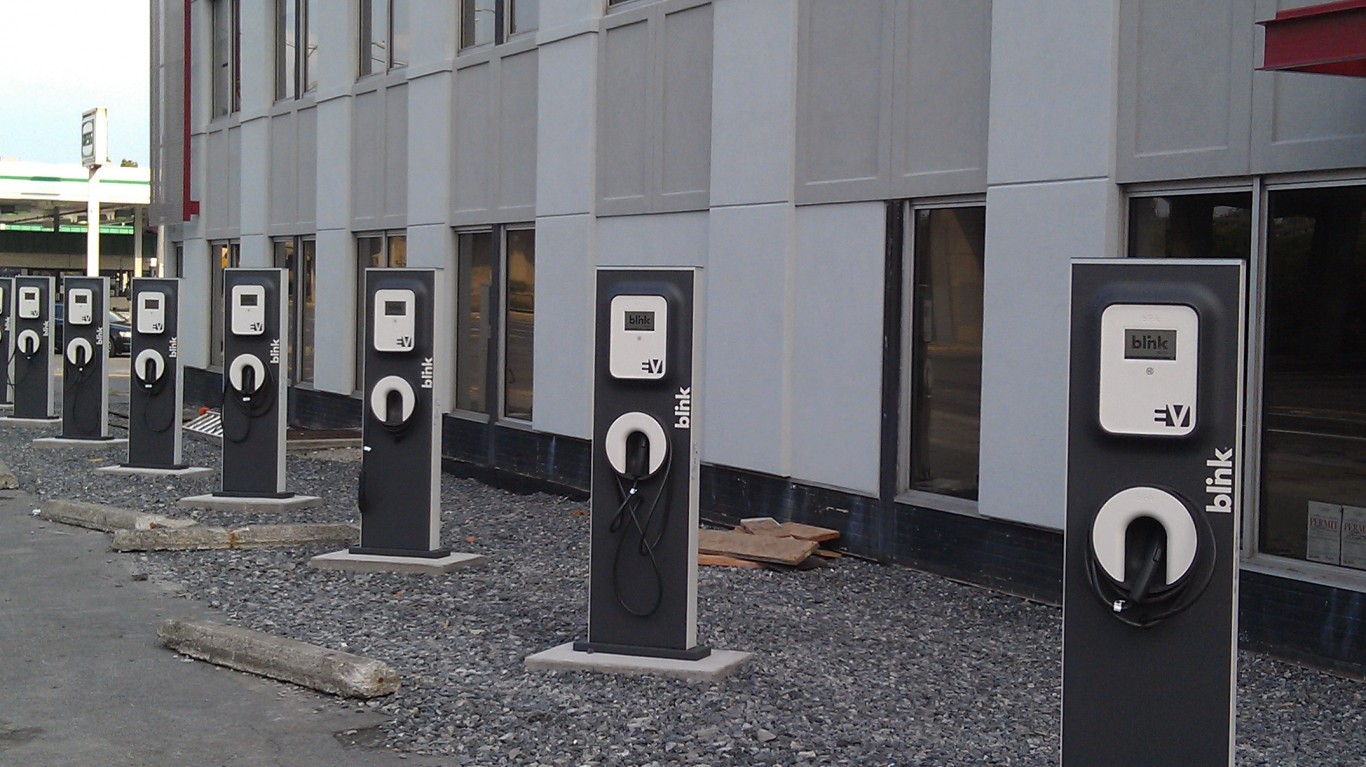
The Biden administration’s plans may be too ambitious. American EV sales have tailed off recently because of vehicle range, the number of charging stations, the price of EVs, rapid tire wear, and the fact that EVs do not hold a 100% charge in very cold weather. Charging stations could be challenging for the federal government because it operates vehicles in areas across the country, and chargers in some places are scarce.

One question is who inside the government decides which EVs it will use to hit the emissions target. Will it be by department so that the Department of Defense makes its own EV decisions while the Department of Transportation also makes its own? Alternatively, a central branch of the government could make all EV purchases.

Another question is whether the U.S. government will favor brands from U.S. manufacturers. If so, Tesla, Ford, and GM will be the suppliers, and companies like Toyota and Hyundai will be excluded.

Another issue is price. Will the lowest-cost supplier have the edge during purchase negotiations, or will the government buy cars based on features?

As the largest U.S. EV company by market share, Tesla should benefit from the federal government purchase program as much as any other manufacturer.


Are Electric Cars Really Better for the Environment?

Photo of Douglas A. McIntyre
About the Author Douglas A. McIntyre →

Douglas A. McIntyre is the co-founder, chief executive officer and editor in chief of 24/7 Wall St. and 24/7 Tempo. He has held these jobs since 2006.

McIntyre has written thousands of articles for 24/7 Wall St. He is an expert on corporate finance, the automotive industry, media companies and international finance. He has edited articles on national demographics, sports, personal income and travel.

His work has been quoted or mentioned in The New York Times, The Wall Street Journal, Los Angeles Times, The Washington Post, NBC News, Time, The New Yorker, HuffPost USA Today, Business Insider, Yahoo, AOL, MarketWatch, The Atlantic, Bloomberg, New York Post, Chicago Tribune, Forbes, The Guardian and many other major publications. McIntyre has been a guest on CNBC, the BBC and television and radio stations across the country.

A magna cum laude graduate of Harvard College, McIntyre also was president of The Harvard Advocate. Founded in 1866, the Advocate is the oldest college publication in the United States.

TheStreet.com, Comps.com and Edgar Online are some of the public companies for which McIntyre served on the board of directors. He was a Vicinity Corporation board member when the company was sold to Microsoft in 2002. He served on the audit committees of some of these companies.

McIntyre has been the CEO of FutureSource, a provider of trading terminals and news to commodities and futures traders. He was president of Switchboard, the online phone directory company. He served as chairman and CEO of On2 Technologies, the video compression company that provided video compression software for Adobe’s Flash. Google bought On2 in 2009.

Featured Reads

Our top personal finance-related articles today. Your wallet will thank you later.

Continue Reading

Top Gaining Stocks

CBOE Vol: 1,568,143
PSKY Vol: 12,285,993
STX Vol: 7,378,346
ORCL Vol: 26,317,675
DDOG Vol: 6,247,779

Top Losing Stocks

LKQ
LKQ Vol: 4,367,433
CLX Vol: 13,260,523
SYK Vol: 4,519,455
MHK Vol: 1,859,865
AMGN Vol: 3,818,618