



However it’s said—cars on lot, days to turn, days on lot—they all mean essentially the same thing. A manufacturer delivered a car to a dealer. The dealer sells that car later. How many days are there between those two dates? The average figure across all car models is about 60 days.
The figure is important. Many dealers buy their inventory on loan. High loan rates cut into their profits. Additionally, cars on the lot tend to give buyers more bargaining power. Some buyers know that dealers want to get cars they have had a long time out of their inventory. Extremely popular cars usually give dealers pricing power.
The slowest-selling car in the United States is the Audi A6. Its days on lot totaled 482 in July. That’s 16 months.
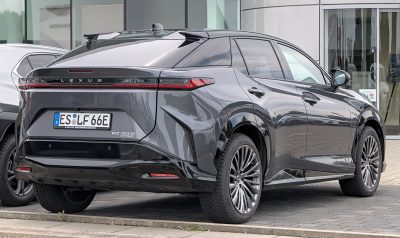
Of the 10 fastest-selling cars in the U.S., Toyota Motor Corp. (NYSE: TM | TM Price Prediction) has six. Its luxury brand Lexus has another.
The Fastest-Selling Car

The fastest-selling Toyota is the Sienna, which had 20 days on lot last month. The minivan has a sticker price of $39,485. The average price of a new car in the U.S. is $48,000.
Second on the list is the Highlander at 21 days. It is Toyota’s mid-priced SUV and has a base MSRP of $40,320. The Camry, Toyota’s mid-price sedan, follows, with a base MSRP of $28,700 and an average days on lot of 28. The Corolla Cross has the same number of days on lot.
These are followed by the RAV4 (31 days) and Corolla Sedan (34 days).
There is a pattern. These models have low prices compared to other new cars sold in the U.S. American new car prices soared at the start of the COVID-19 pandemic. This was due to supply chain shortages. The car companies never brought their prices down after that. Americans had to learn to live with relatively expensive new cars.
Toyota also has a brand advantage. It often shows up at or near the top of quality and reliability studies. Over the years, it has become the “quality brand,” which has stimulated demand.
The Best-Selling SUV in Each State






 Top Gaining Stocks
 Top Losing Stocks