


24/7 Wall St. Insights
- Many consumers are still resistant to buying fully electric cars.
- Each of the 15 EVs on this list can get at least 320 miles on a single charge.
Electric vehicles are the newest major shift in the automobile market, changing the future of how we operate cars. Electric vehicles first gained popularity in the early 1900s. Around this time, notable inventor Thomas Edison worked on creating an affordable electrical car. However, the availability and affordability of the Model T rendered these early EVs irrelevant. Other major EV developments beginning in the 90s included the GM EV1, the Toyota RAV4 EV, and the Honda EV Plus. Then, in 2006, Elon Musk announced that Tesla Motors would begin production of an electric sports car capable of traveling 200 miles on one charge. In 2010, two other brands jumped on the market, when the Chevy Volt and Nissan LEAF premiered in the U.S. Since then, several electric cars have hit the scene, with many of the top car brands seeking to profit off EVs.
When it comes time to buy a new car, many environmentally conscious minds are turning to electric vehicles. However, many are still resistant to buying fully electric cars, due to lack of convenient charging stations and high prices. One of the biggest reasons consumers previously shied away from all electric automobiles was the range offered by these non-gas-guzzling cars. Drivers feared they would suffer major inconveniences if they had to pull over and charge their cars in the middle of their day. That being said, electric cars have come a long way since the 2010s, when a range of 100 miles was considered fairly good. Now, the average range of a new electric car is about 291 miles.
The share of EVs in new U.S. car sales rose from about 4% in 2020 to 7.6% in 2023, showing steady growth. Despite this, the percentage of people who say they might consider buying one in the future fell from 43% to 35% between 2023 and 2024. Similarly, 48% of Americans now say they would not buy an EV, up from 41% last year.
Sticker shock is one of the leading explanations for stalled EV adoption. According to KBB, the average EV sold for $54,021 in March 2024, well above the $47,218 average transaction price across all new passenger vehicles. To offset higher costs, the federal government offers a $7,500 tax credit for buyers of qualifying EVs. The Inflation Reduction Act requires final assembly in North America; many imported models do not qualify. But high prices are not the only reason many Americans remain hesitant.
Unlike vehicles powered by traditional internal combustion engines, which take only minutes to fill at the pump, EVs can take a half hour or more to charge at a DC fast-charge station. Charging at home, meanwhile, can take anywhere from 4 to 80 hours, depending on the make and model of the vehicle.
Still, for those concerned about long charge times, there are many available EV models that are optimized for range — allowing drivers to spend more time on the road and less time charging.
Using data from the Environmental Protection Agency and the Department of Energy, 24/7 Wall St. identified the electric vehicles that can go the farthest on a single charge. We reviewed more than 240 available EV configurations for the 2024 model year and ranked them on their government estimated range. For each nameplate, we only considered the longest-range configuration.
Each of the 15 EVs on this list can get at least 320 miles on a single charge. Five of these vehicles can go at least 400 miles fully charged, including one with a range of over 500 miles. These models are produced by legacy automakers, like Ford and General Motors, as well as newer industry names like Rivian and Tesla.
It is important to note that the EVs with the longest ranges are not necessarily the most efficient. EV efficiency is measured in kilowatt hours of electricity for every 100 miles, which can be converted into a miles-per-gallon equivalency, or MPGe. Of the 15 EVs on this list, seven have an EPA estimated combined highway and city efficiency rating of at least 100 MPGe. The least efficient vehicle on this list, the Chevy Silverado EV, has a combined rating of just 63 MPGe. Larger batteries with greater storage capacity allows less efficient EVs, like the Silverado, to achieve higher than average driving ranges.
While these EVs are generally more expensive than a typical internal combustion vehicle, they are also less expensive to drive — and over time, owners can save thousands of dollars. In addition to federal tax credits, estimated fuel cost savings range from $3,750 up to $7,000 over a five-year period.
This post was updated on August 27, 2025 to clarify charge times, EV ownership rates, and early EV models.
Why It Matters
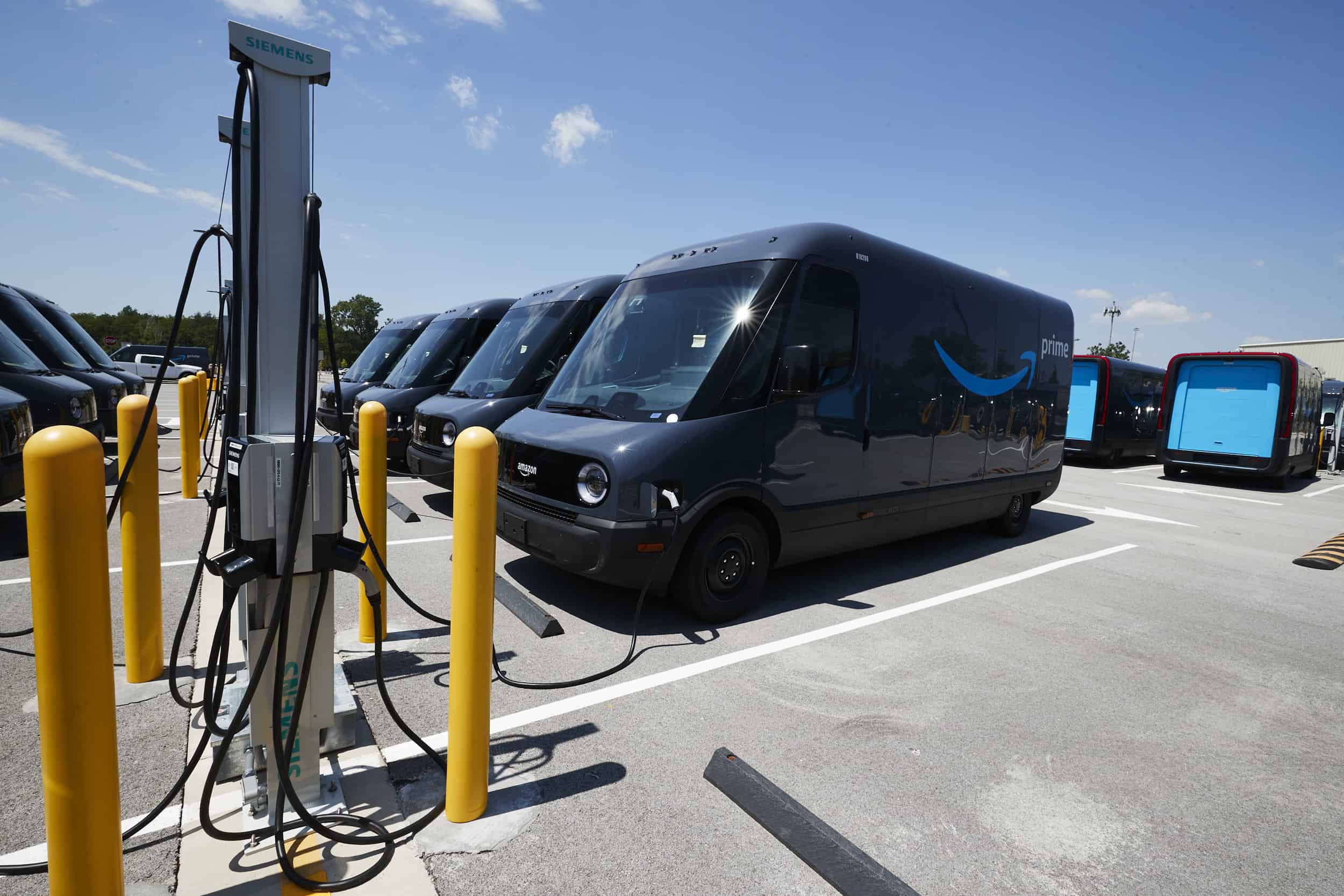
As part of a broader plan to transition to a net zero carbon emissions economy by 2050, the Biden administration has set a goal of EVs accounting for 50% of the market by 2030. While federal tax incentives have made EVs more affordable for a larger share of the population, concerns over charging logistics remain widespread. For EVs to win in the marketplace, automakers are adding vehicles to their fleet that are capable of going several hundred miles on a single charge — whether through improved efficiency or high-capacity batteries.
15. Polestar 2

- Max. est. driving range: 320 miles
- Efficiency (MPGe): 115 combined; 124 city; 106 highway
- Efficiency (kWh per 100 mi.): 29 combined; 27 city; 32 highway
- Power source: 404-volt lithium-ion battery; 202 amp-hr. capacity
- Drive train: 2-wheel drive, rear
- Charge time: 8 hours on a 240-volt home charger
- Est. charging costs: $650 per year; $6,500 less than avg. over 5-years
- Vehicle class: Midsize car
- Est. base MSRP: $51,300
14. Ford Mustang Mach-E

- Max. est. driving range: 320 miles
- Efficiency (MPGe): 106 combined; 111 city; 100 highway
- Efficiency (kWh per 100 mi.): 32 combined; 30 city; 34 highway
- Power source: 404-volt lithium-ion battery; 288 amp-hr. capacity
- Drive train: 2-wheel drive, rear
- Charge time: 10.1 hours on a 240-volt home charger
- Est. charging costs: $700 per year; $6,250 less than avg. over 5-years
- Vehicle class: Small SUV
- Est. base MSRP: $41,890
13. Ford F150 Lightning
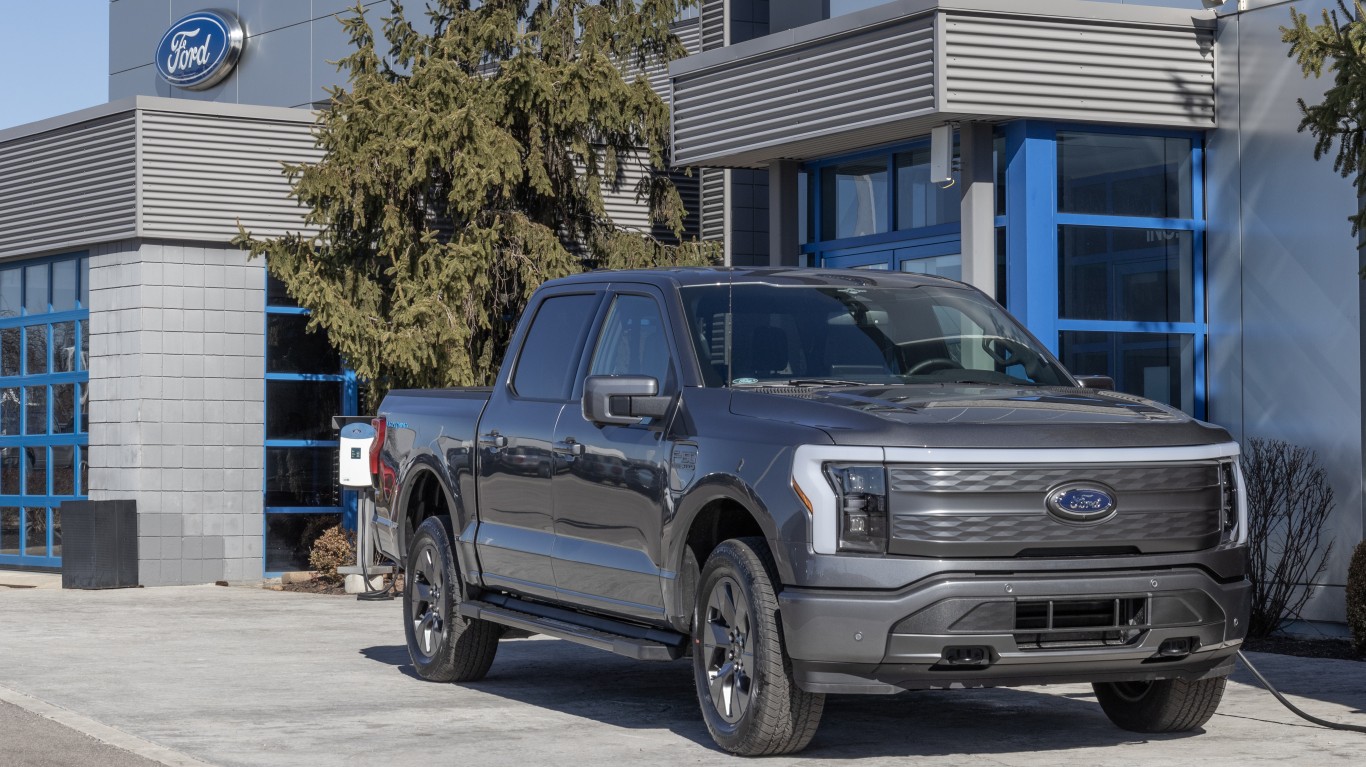
- Max. est. driving range: 320 miles
- Efficiency (MPGe): 70 combined; 78 city; 63 highway
- Efficiency (kWh per 100 mi.): 48 combined; 43 city; 54 highway
- Power source: 403-volt lithium-ion battery; 410 amp-hr. capacity
- Drive train: All wheel drive
- Charge time: 14.6 hours on a 240-volt home charger
- Est. charging costs: $1,100 per year; $4,250 less than avg. over 5-years
- Vehicle class: Pickup truck
- Est. base MSRP: $57,090
12. BMW I7
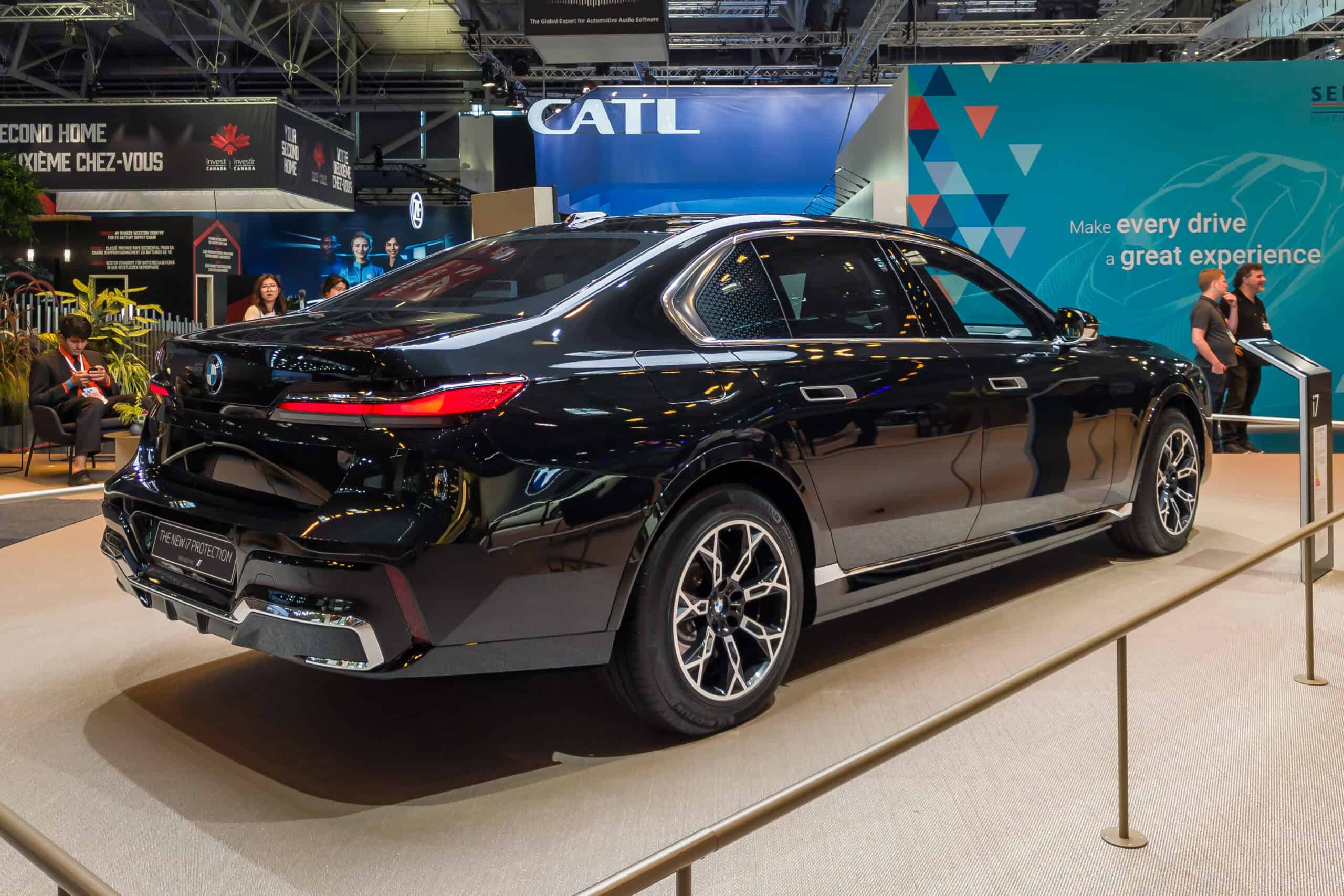
- Max. est. driving range: 321 miles
- Efficiency (MPGe): 90 combined; 87 city; 95 highway
- Efficiency (kWh per 100 mi.): 37 combined; 39 city; 35 highway
- Power source: 376-volt lithium-ion batteries; 280.8 amp-hr. capacity
- Drive train: 2-wheel drive, rear
- Charge time: 11 hours on a 240-volt home charger
- Est. charging costs: $850 per year; $5,500 less than avg. over 5-years
- Vehicle class: Full-size car
- Est. base MSRP: $106,695
11. Chevrolet Blazer EV
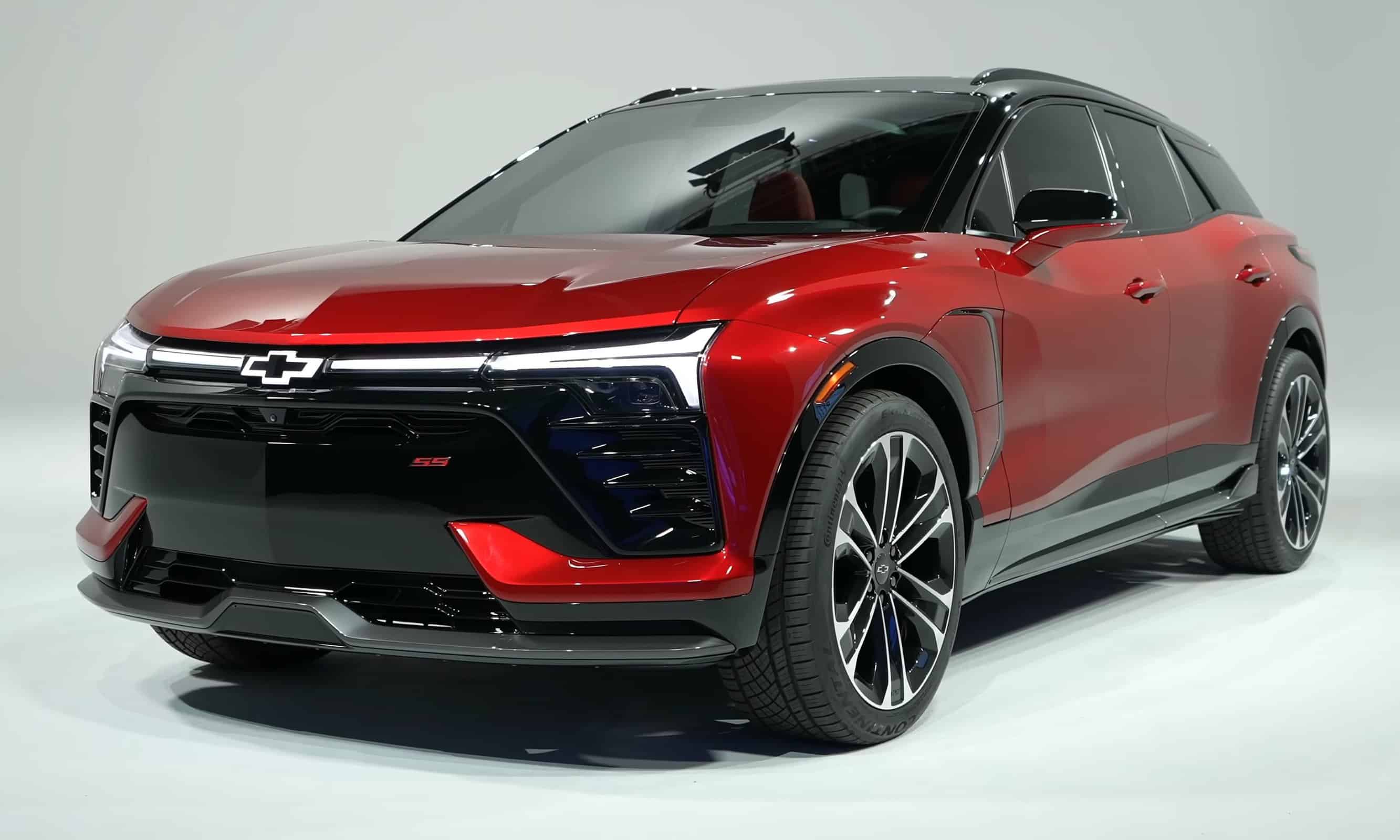
- Max. est. driving range: 324 miles
- Efficiency (MPGe): 92 combined; 99 city; 84 highway
- Efficiency (kWh per 100 mi.): 37 combined; 34 city; 40 highway
- Power source: 400-volt lithium-ion battery; 298 amp-hr. capacity
- Drive train: 2-wheel drive, rear
- Charge time: 11 hours on a 240-volt home charger
- Est. charging costs: $800 per year; $5,750 less than avg. over 5-years
- Vehicle class: Small SUV
- Est. base MSRP: $50,195
10. VinFast VF9
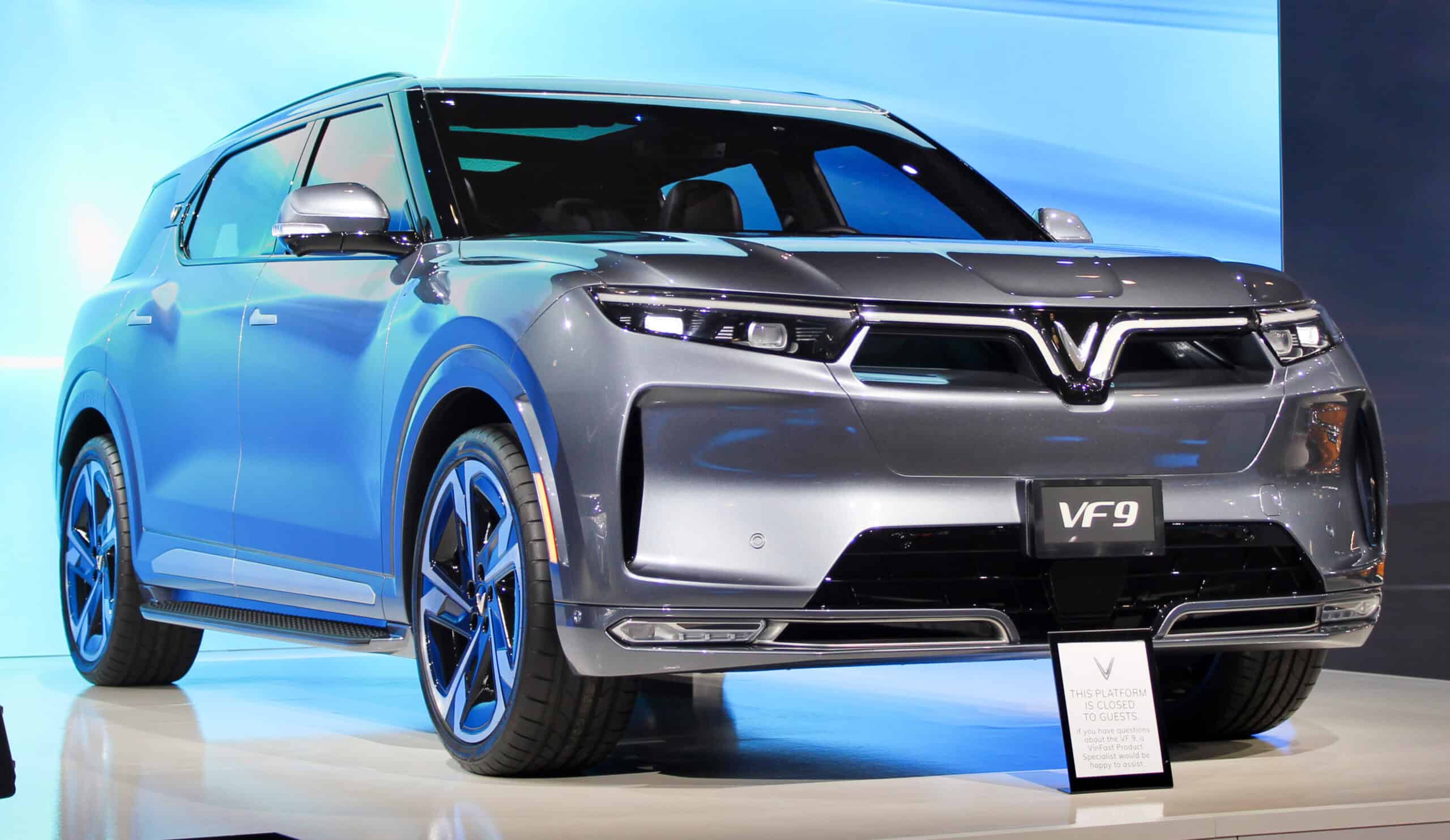
- Max. est. driving range: 330 miles
- Efficiency (MPGe): 75 combined; 79 city; 71 highway
- Efficiency (kWh per 100 mi.): 45 combined; 43 city; 47 highway
- Power source: 403-volt lithium-ion battery; 231.7 amp-hr. capacity
- Drive train: All wheel drive
- Charge time: 15 hours on a 240-volt home charger
- Est. charging costs: $1,000 per year; $4,750 less than avg. over 5-years
- Vehicle class: SUV
- Est. base MSRP: $81,000
9. Tesla Model X
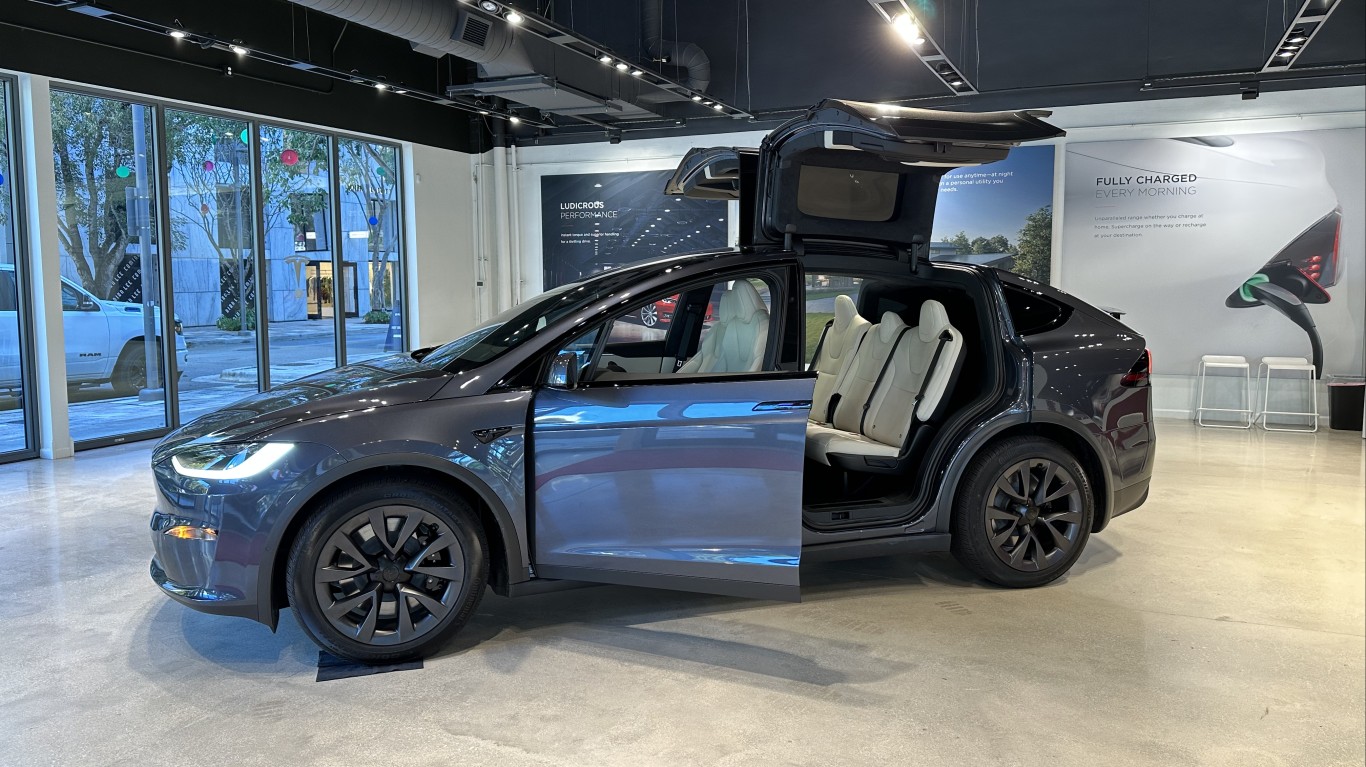
- Max. est. driving range: 335 miles
- Efficiency (MPGe): 100 combined; 104 city; 96 highway
- Efficiency (kWh per 100 mi.): 34 combined; 32 city; 35 highway
- Power source: 408-volt lithium-ion battery; 256 amp-hr. capacity
- Drive train: All wheel drive
- Charge time: 14 hours on a 240-volt home charger
- Est. charging costs: $750 per year; $6,000 less than avg. over 5-years
- Vehicle class: SUV
- Est. base MSRP: $79,630
8. Tesla Model 3
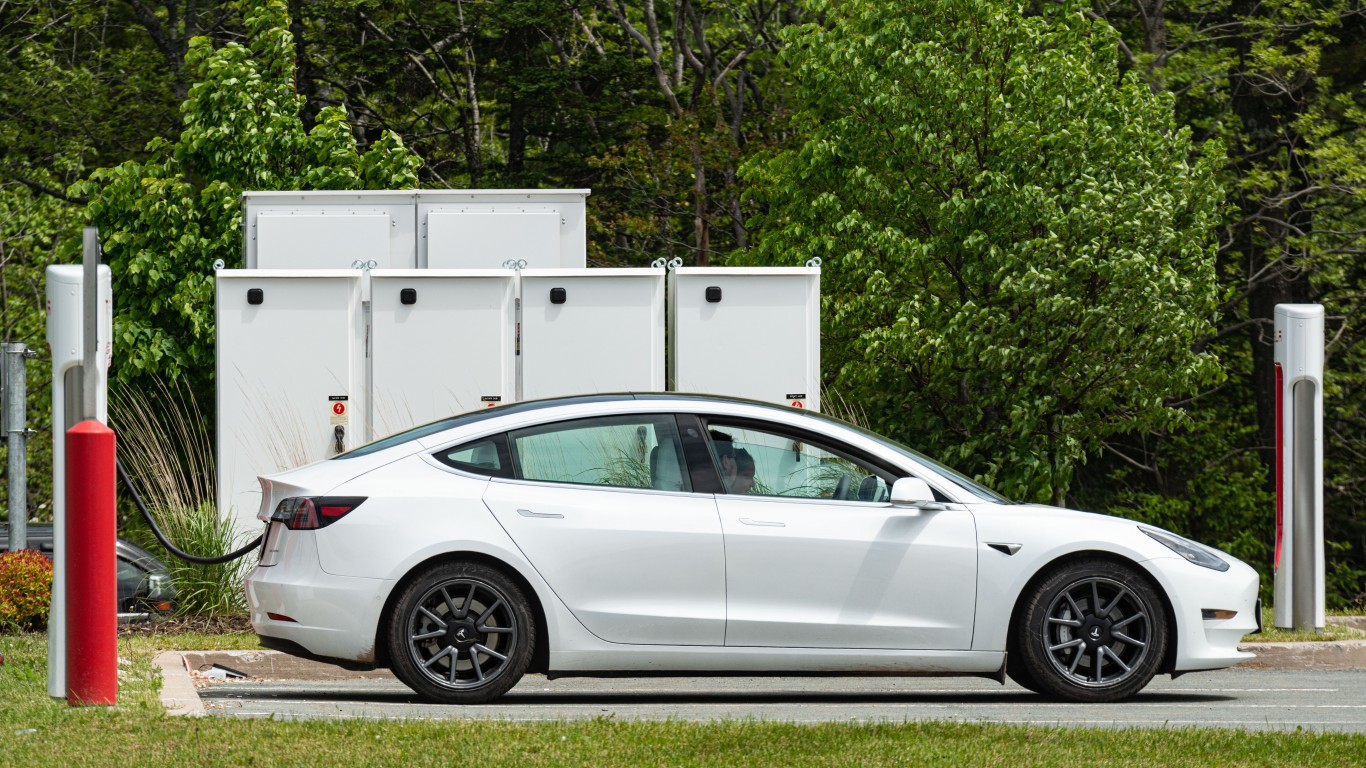
- Max. est. driving range: 342 miles
- Efficiency (MPGe): 130 combined; 137 city; 124 highway
- Efficiency (kWh per 100 mi.): 26 combined; 25 city; 27 highway
- Power source: 354-volt lithium-ion battery; 230 amp-hr. capacity
- Drive train: All wheel drive
- Charge time: 9.4 hours on a 240-volt home charger
- Est. charging costs: $600 per year; $6,750 less than avg. over 5-years
- Vehicle class: Midsize car
- Est. base MSRP: $40,630
7. Mercedes-Benz EQS

- Max. est. driving range: 352 miles
- Efficiency (MPGe): 96 combined; 95 city; 98 highway
- Efficiency (kWh per 100 mi.): 34 combined; 35 city; 34 highway
- Power source: 396-volt lithium-ion batteries; 282 amp-hr. capacity
- Drive train: 2-wheel drive, rear
- Charge time: 12.5 hours on a 240-volt home charger
- Est. charging costs: $800 per year; $5,750 less than avg. over 5-years
- Vehicle class: Full-size car
- Est. base MSRP: $148,700
6. Hyundai Ioniq 6

- Max. est. driving range: 361 miles
- Efficiency (MPGe): 140 combined; 153 city; 127 highway
- Efficiency (kWh per 100 mi.): 24 combined; 22 city; 26 highway
- Power source: 697-volt lithium-ion battery; 111.2 amp-hr. capacity
- Drive train: 2-wheel drive, rear
- Charge time: 7.5 hours on a 240-volt home charger
- Est. charging costs: $550 per year; $7,000 less than avg. over 5-years
- Vehicle class: Midsize car
- Est. base MSRP: $38,650
5. Rivian R1S
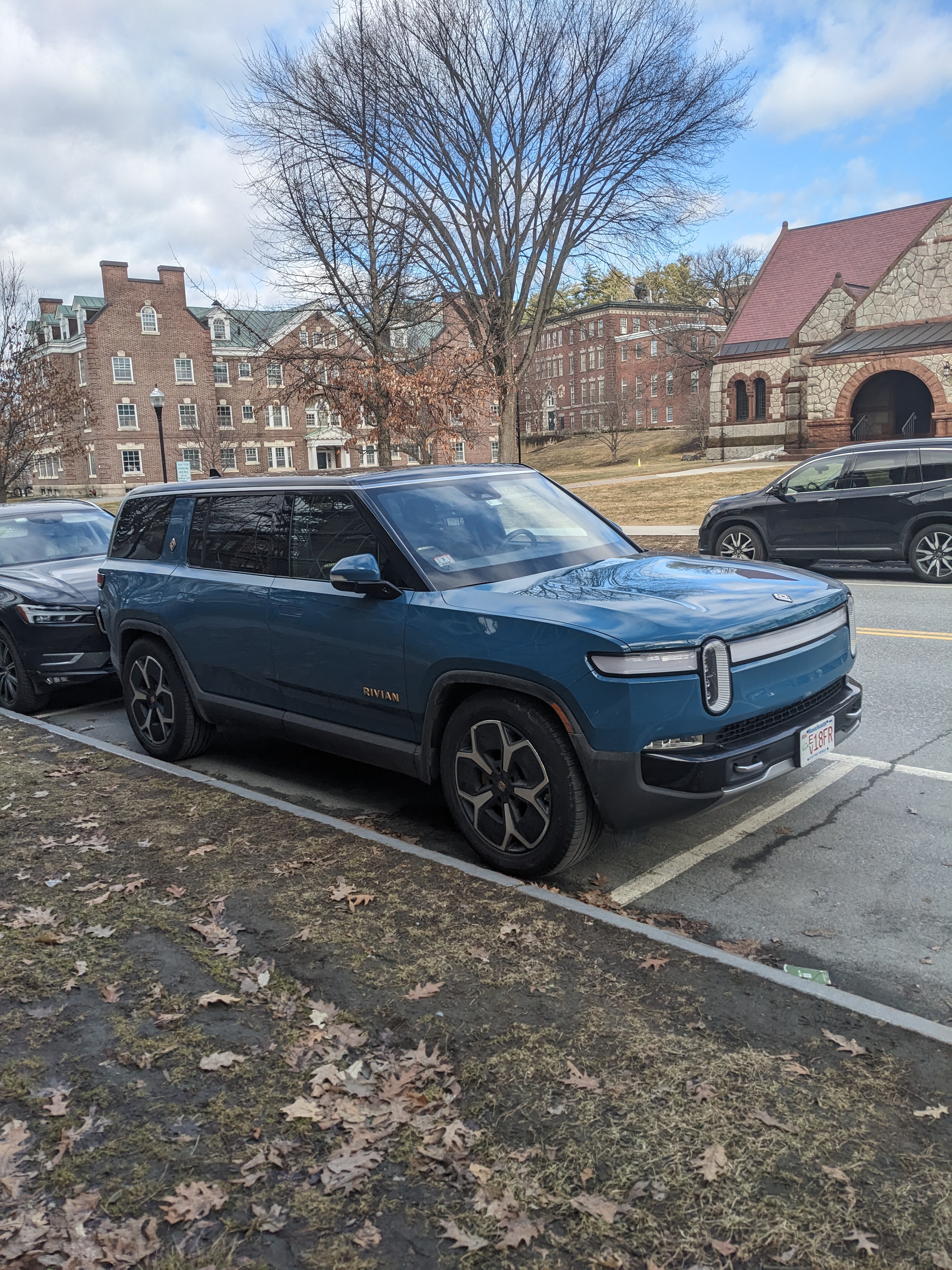
- Max. est. driving range: 400 miles
- Efficiency (MPGe): 82 combined; 89 city; 76 highway
- Efficiency (kWh per 100 mi.): 41 combined; 38 city; 45 highway
- Power source: 392-volt lithium-ion battery; 382 amp-hr. capacity
- Drive train: Part-time 4-wheel drive
- Charge time: 14.5 hours on a 240-volt home charger
- Est. charging costs: $900 per year; $5,250 less than avg. over 5-years
- Vehicle class: SUV
- Est. base MSRP: $76,700
4. Tesla Model S
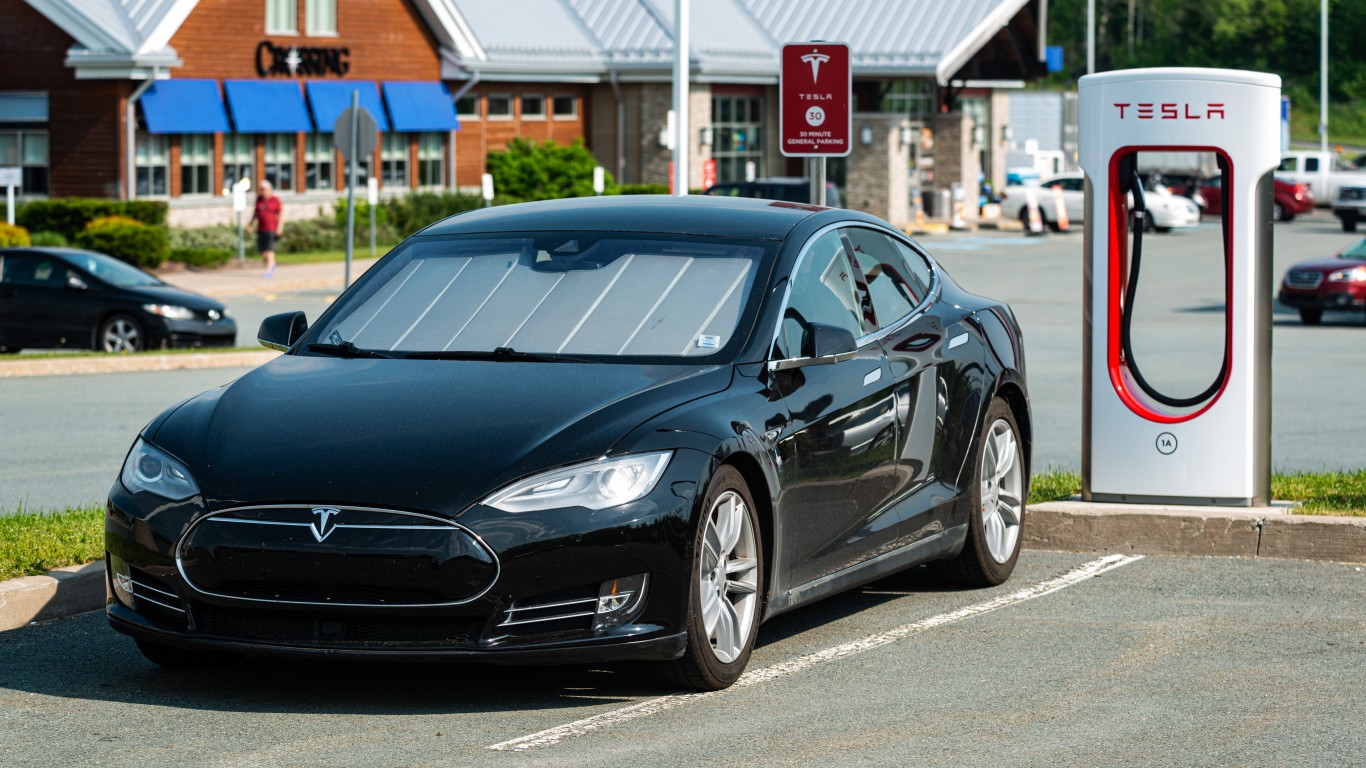
- Max. est. driving range: 402 miles
- Efficiency (MPGe): 122 combined; 127 city; 116 highway
- Efficiency (kWh per 100 mi.): 28 combined; 27 city; 29 highway
- Power source: 408-volt lithium-ion battery; 256 amp-hr. capacity
- Drive train: All wheel drive
- Charge time: 15 hours on a 240-volt home charger
- Est. charging costs: $600 per year; $6,750 less than avg. over 5-years
- Vehicle class: Full-size car
- Est. base MSRP: $74,630
3. Rivian R1T
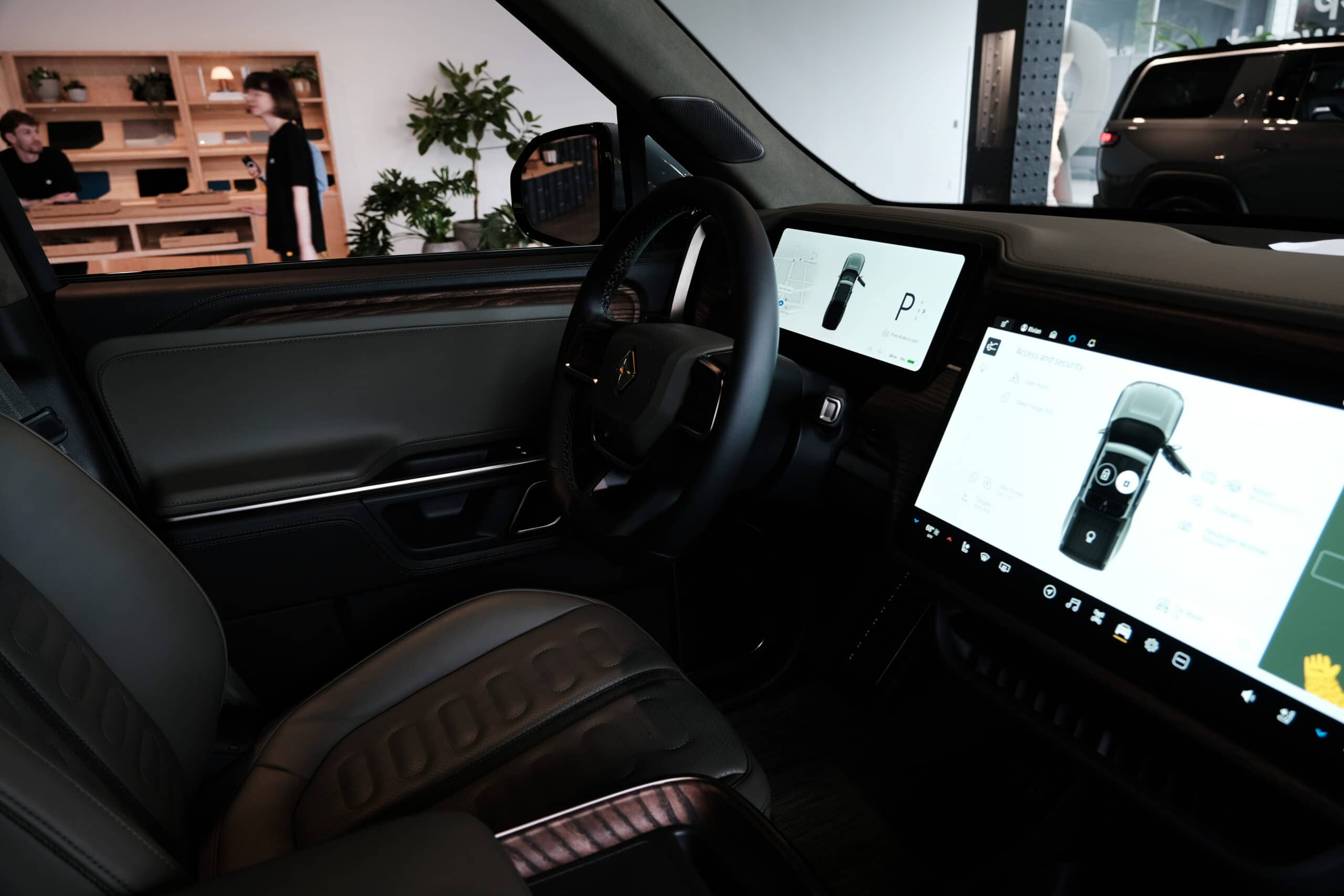
- Max. est. driving range: 410 miles
- Efficiency (MPGe): 84 combined; 91 city; 77 highway
- Efficiency (kWh per 100 mi.): 40 combined; 37 city; 43 highway
- Power source: 392-volt lithium-ion battery; 382 amp-hr. capacity
- Drive train: Part-time 4-wheel drive
- Charge time: 14.5 hours on a 240-volt home charger
- Est. charging costs: $900 per year; $5,250 less than avg. over 5-years
- Vehicle class: Pickup truck
- Est. base MSRP: $71,700
2. Chevrolet Silverado EV
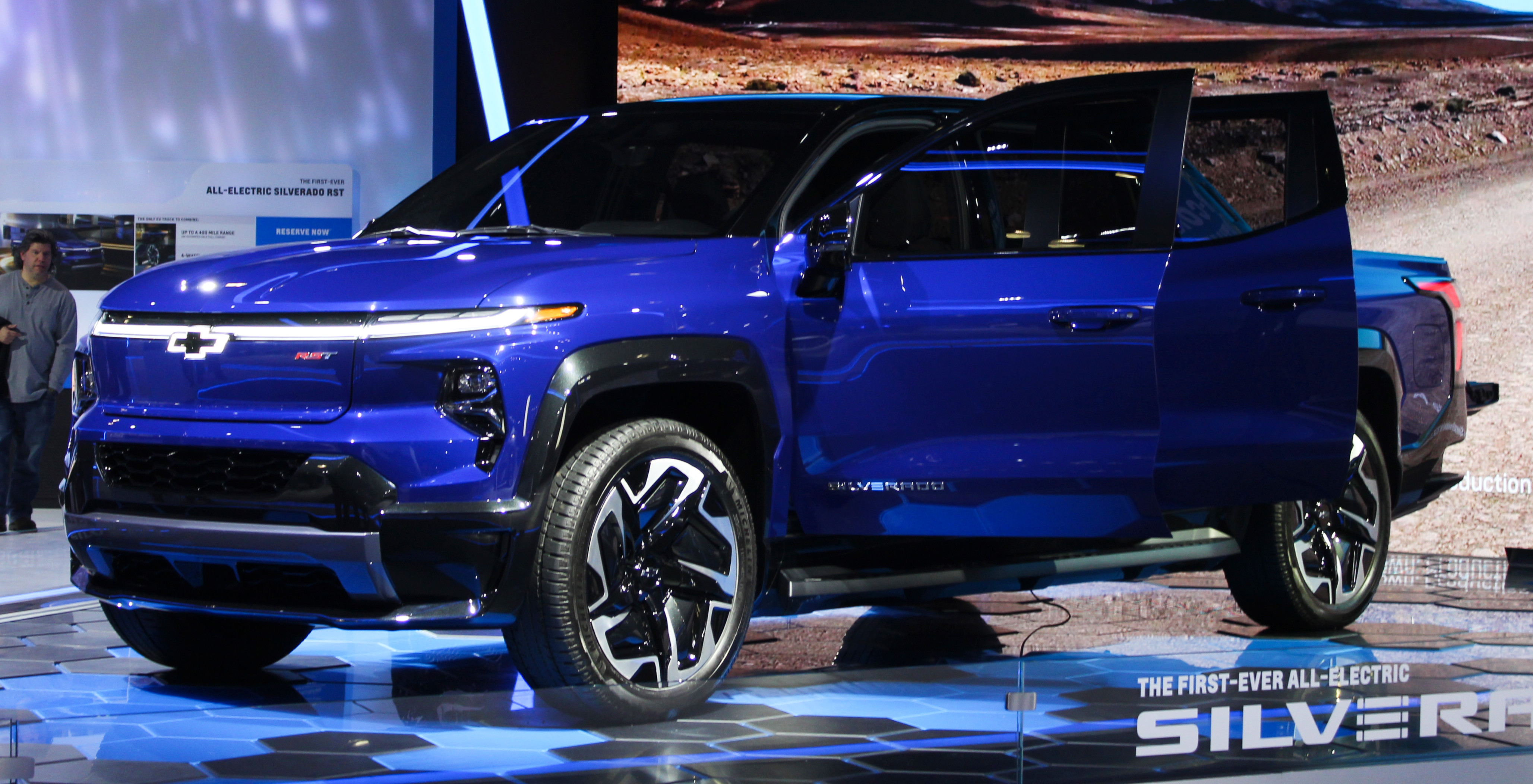
- Max. est. driving range: 450 miles
- Efficiency (MPGe): 63 combined; 67 city; 59 highway
- Efficiency (kWh per 100 mi.): 53 combined; 50 city; 57 highway
- Power source: 350-volt lithium-ion battery; 596 amp-hr. capacity
- Drive train: All wheel drive
- Charge time: 12.7 hours on a 240-volt home charger
- Est. charging costs: $1,200 per year; $3,750 less than avg. over 5-years
- Vehicle class: Pickup truck
- Est. base MSRP: $74,800
1. Lucid Air
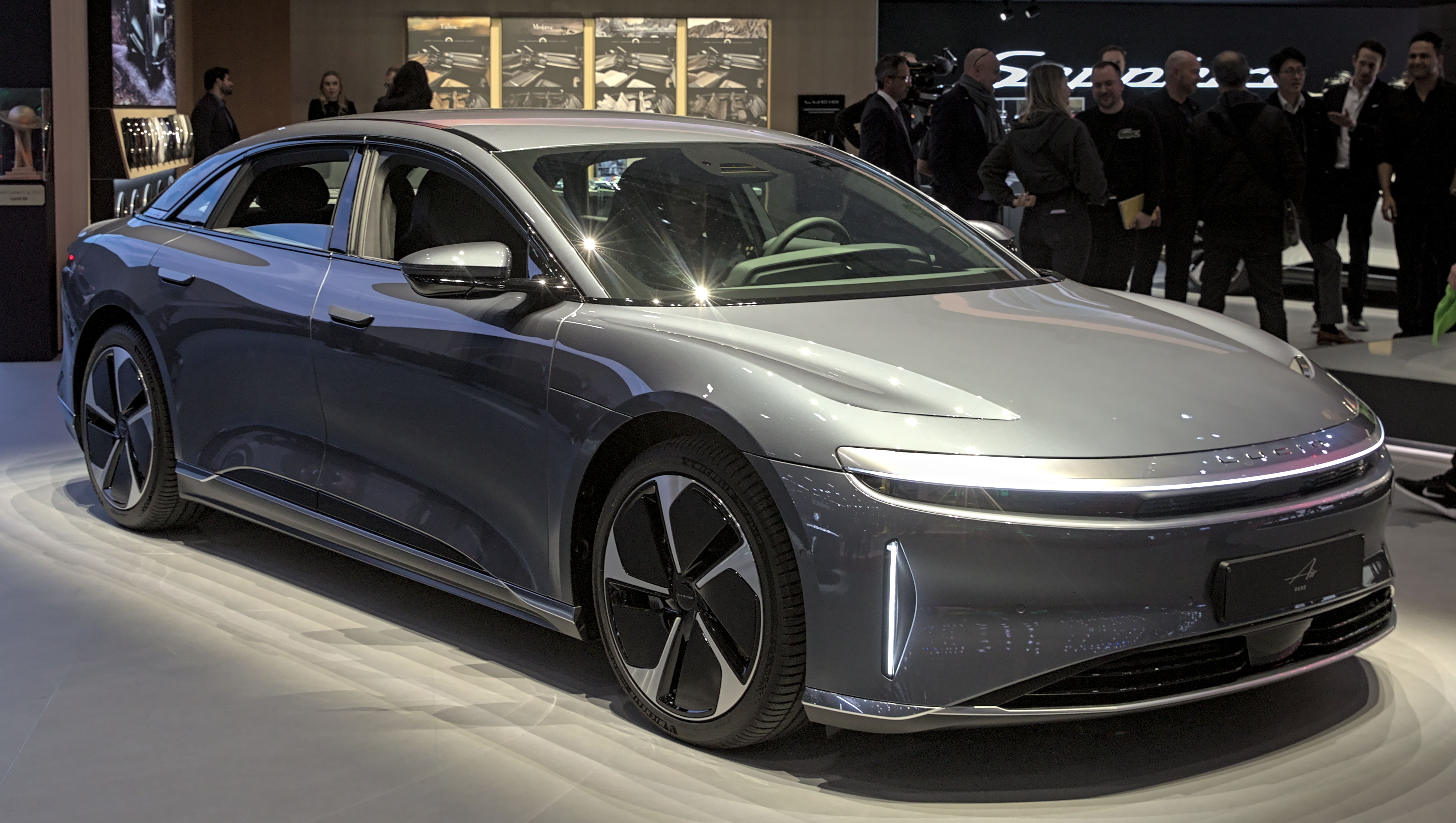
- Max. est. driving range: 516 miles
- Efficiency (MPGe): 129 combined; 130 city; 128 highway
- Efficiency (kWh per 100 mi.): 26 combined; 26 city; 26 highway
- Power source: 800-volt lithium-ion battery; 171 amp-hr. capacity
- Drive train: All wheel drive
- Charge time: 13 hours on a 240-volt home charger
- Est. charging costs: $600 per year; $6,750 less than avg. over 5-years
- Vehicle class: Full-size car
- Est. base MSRP: $71,400







 Top Gaining Stocks
 Top Losing Stocks