


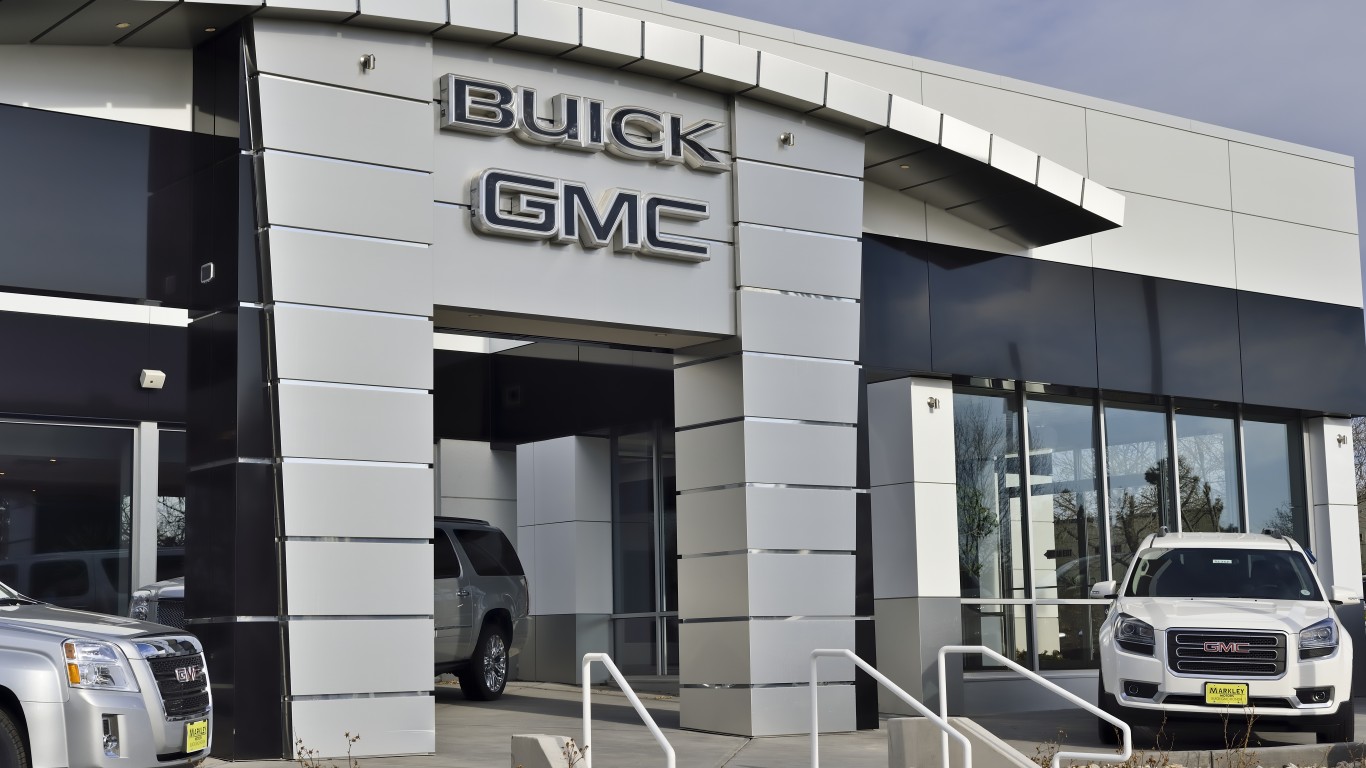
For years, car dealerships had a terrible reputation. Pushy sales tactics, confusing pricing, and long hours spent negotiating made the entire experience feel more like a battle than a purchase. Like many buyers, I assumed that avoiding dealerships altogether was the smartest way to buy a car, especially as online platforms and direct-to-consumer models gained popularity.
Over time, however, my perspective began to shift. After multiple vehicle purchases, service visits, and ownership experiences, I started to recognize the value that traditional dealerships actually provide. Dealerships can give buyers hands-on expertise and logistical support that online sellers struggle to match. Dealerships play a larger role in the car-buying market than they’re often given credit for; and in many cases, they make ownership easier, not harder.
This post was updated on February 4, 2026.
Why it Matters

20. My Take
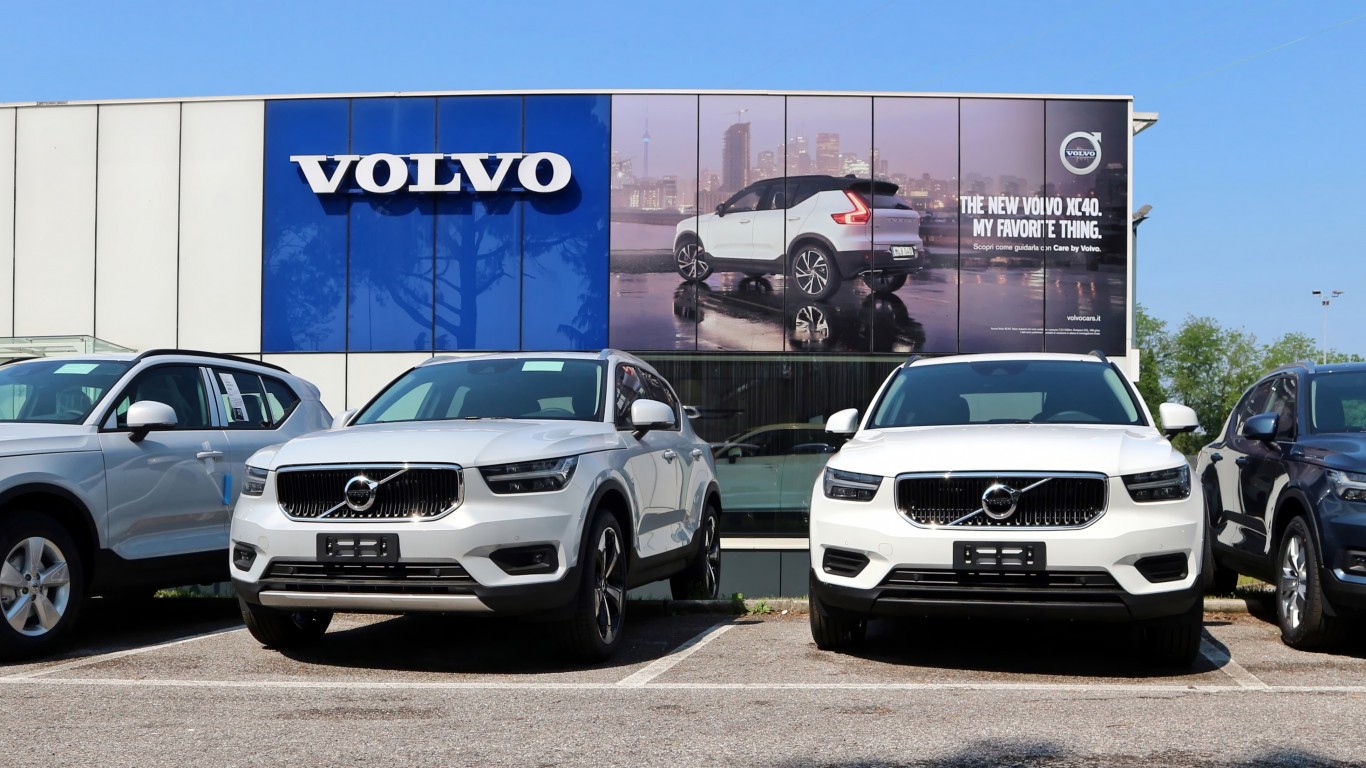
I’ve owned several vehicles over the years, and I can honestly say that not every dealership experience has been positive. I’ve had some of the best experiences with Lexus after they changed their model to the “Lexus Plus” program that offers no-negotiation pricing. The opposite was true at Toyota, where I spent half a day haggling over how much a trade was worth.
19. Dealership Pain Points
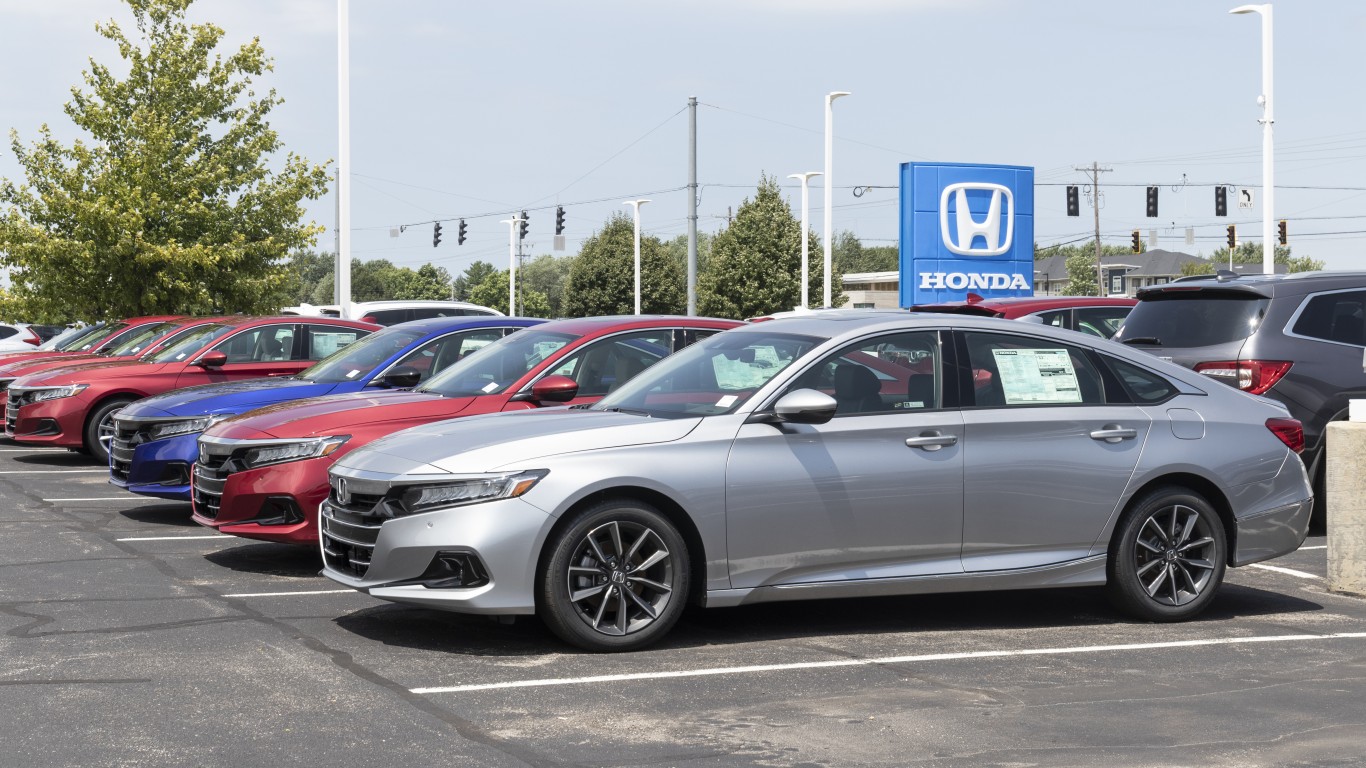
There is little question that many of the pain points around car dealerships have been self-inflicted. This means pushy salespeople who never leave you alone or don’t let you walk out the door and have long wait times while negotiating. The whole concept of haggling, a lack of transparency, and pressure has become a central issue in why dealerships have the reputation they do.
18. Data Analytics

While this is little seen by customers, the use of data analytics by customers has helped optimize inventory management in a big way. Coming out of a world where dealerships had limited inventory due to a chip shortage tied to the pandemic, the use of data has now helped dealerships properly fill their parking lots so customers can get what they want when they want it.
17. Integrating AI

If you want to test drive a Nissan vehicle, you don’t need to enter a dealership before setting up a test drive. Many dealer websites now use chat tools to schedule test drives and pre-qualify leads.
16. Educating Customers
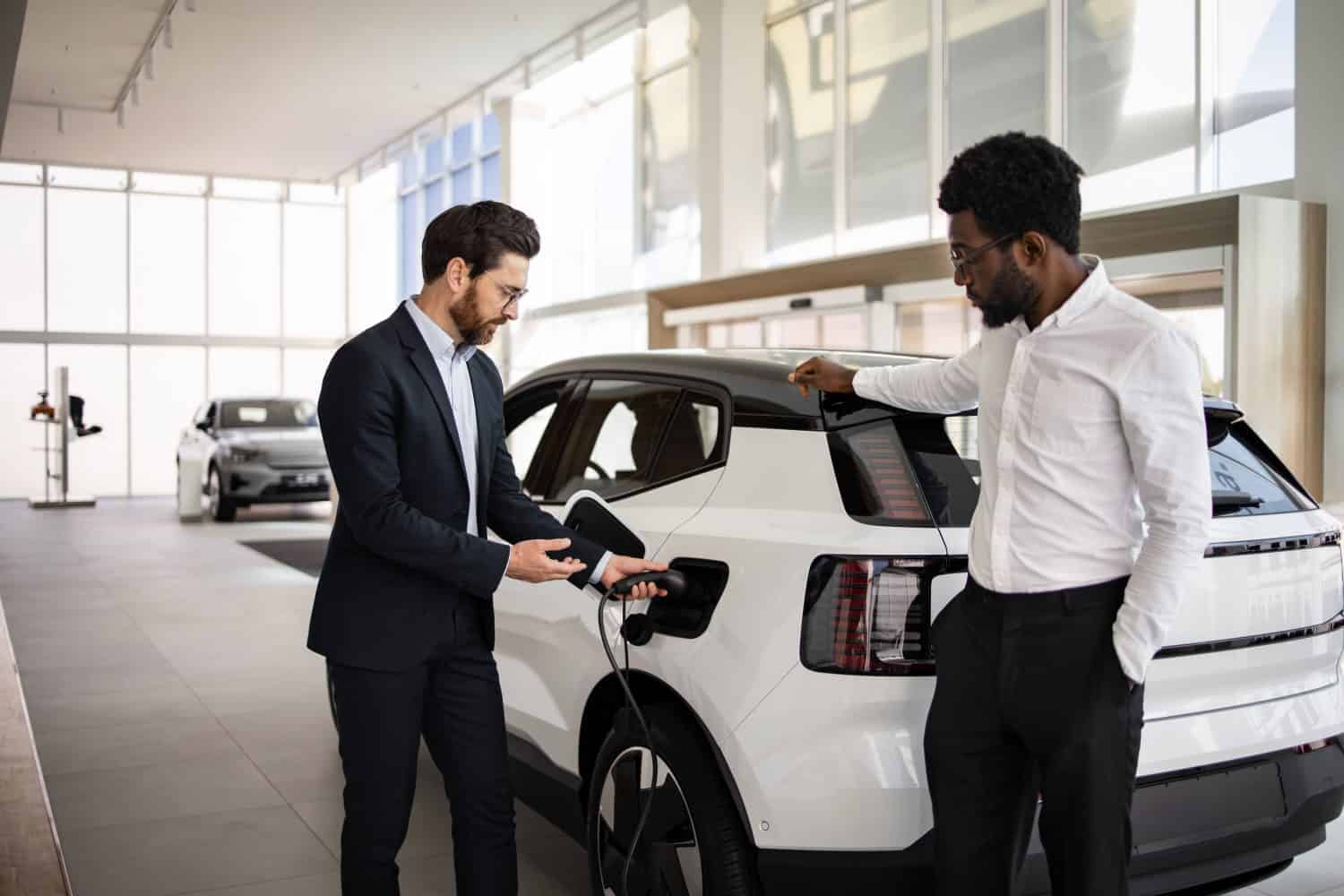
If you’re looking to buy a Ford electric vehicle, the company has provided free workshops to customers to help them make an informed decision. As a result, up to 55% of buyers feel more confident with educated sales staff, according to J.D. Power.
15. Family-Friendly Showrooms

There was a time when showrooms were little more than chairs and tables, and now brands like Mercedes and Lexus offer espresso bars and luxury amenities. In addition, many brands now offer family-friendly rooms for children to play in while parents wait.
14. Improved Lease Options

“Care by Volvo” has been a big hit as a new lease option that offers you insurance, a shorter lease time frame, care-free maintenance, and easy cancellations, all for one price. Porsche also offers something similar to customers who don’t want long-term commitments.
13. Mobile Service

As long as there isn’t significant damage to a vehicle, the idea that dealerships will pick up your car for service and drop it back off has been a huge win. Up to 47% of customers now prefer these mobile service alternatives.
12. Loyalty Programs

If you look at a brand like Honda, its loyalty program, which includes benefits like a turn-in fee waiver or damage waiver of up to $500, has won customers over en masse. There is no question that this has become a big selling point for dealerships to keep customers returning.
11. Extended Service Hours
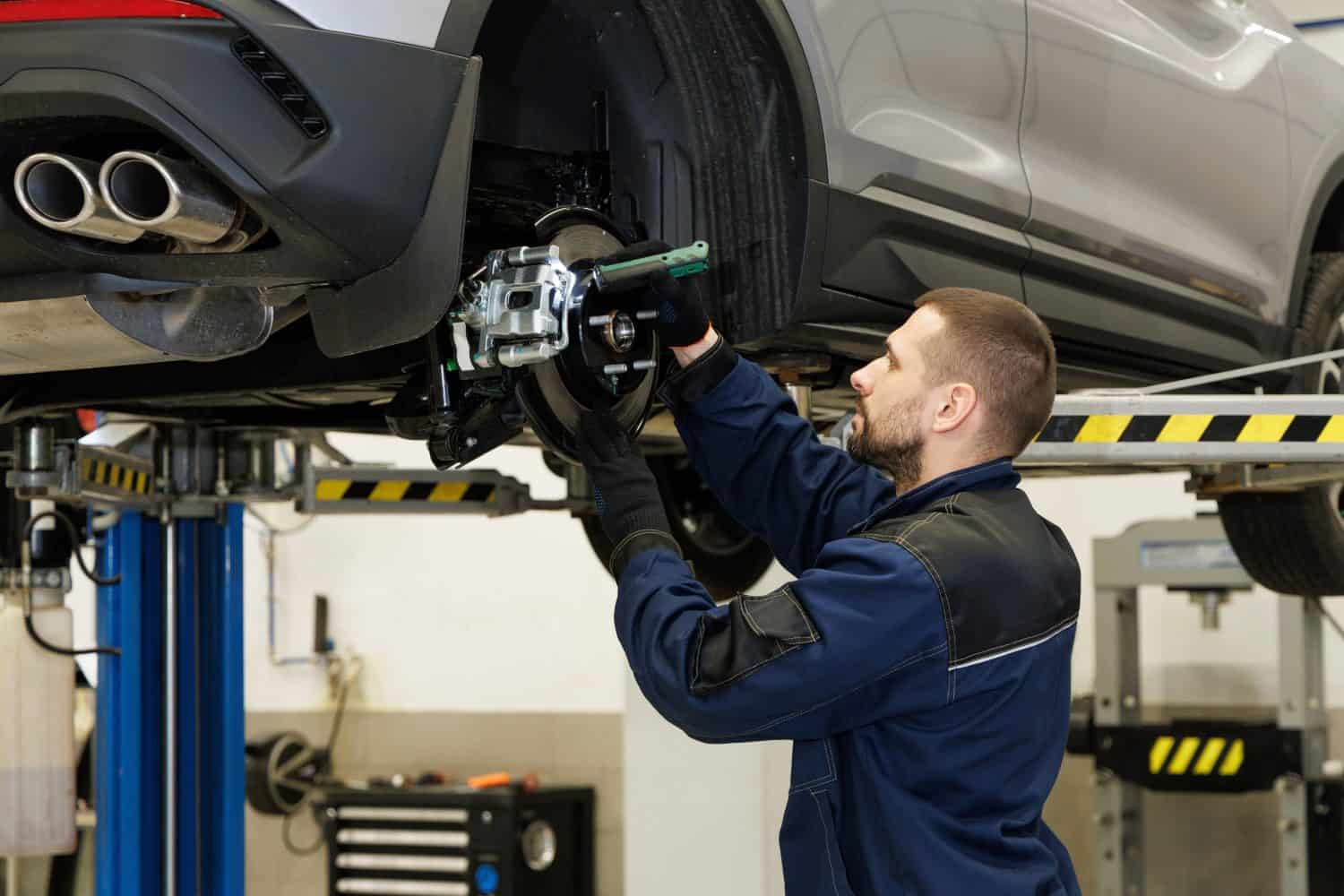
According to Cox Automotive, up to 45% of customers use after-hours service options. This is why Subaru dealerships have now gone to offering both weekend and extended evening service appointments. The more dealerships that can do this, the better.
10. Custom Ordering
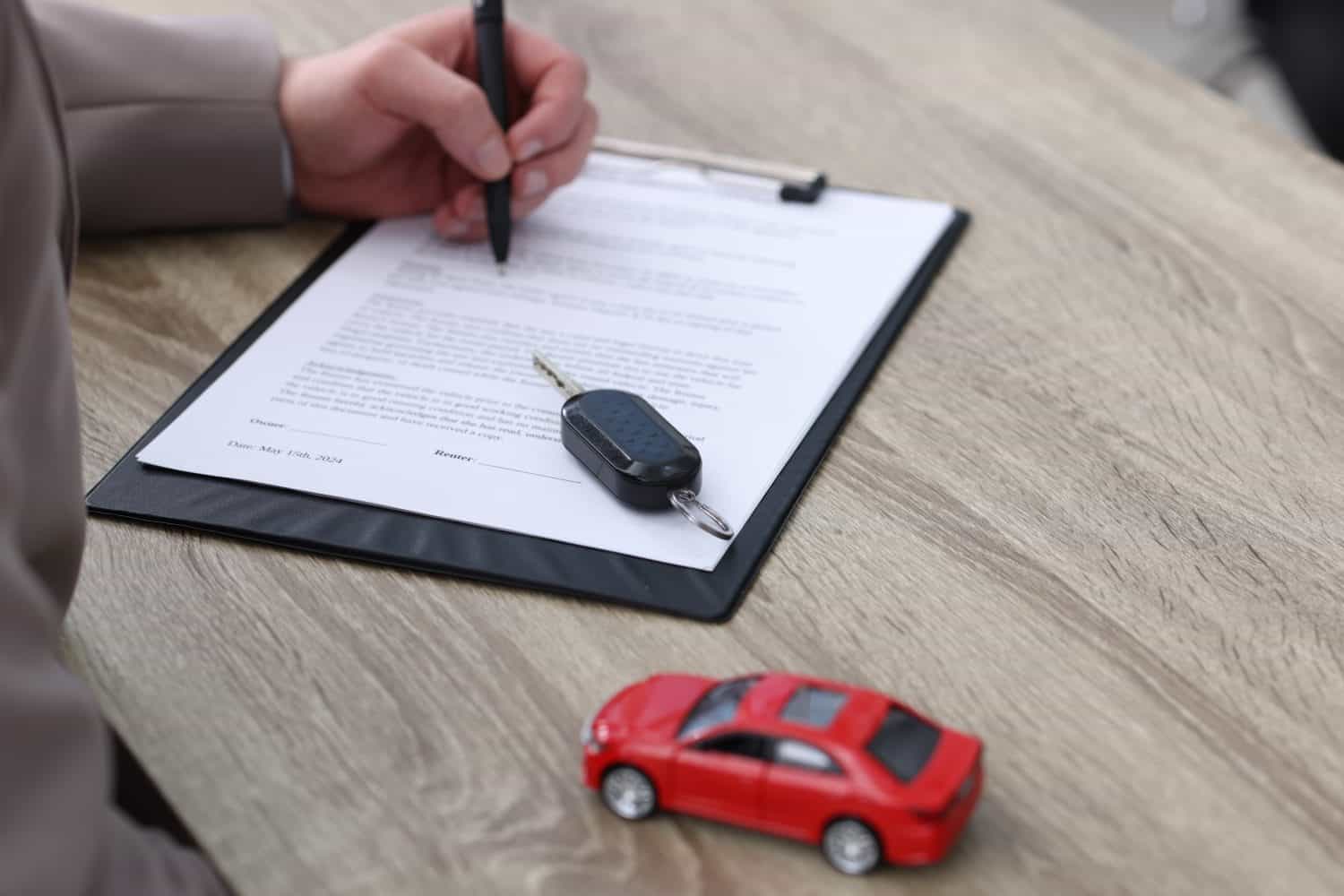
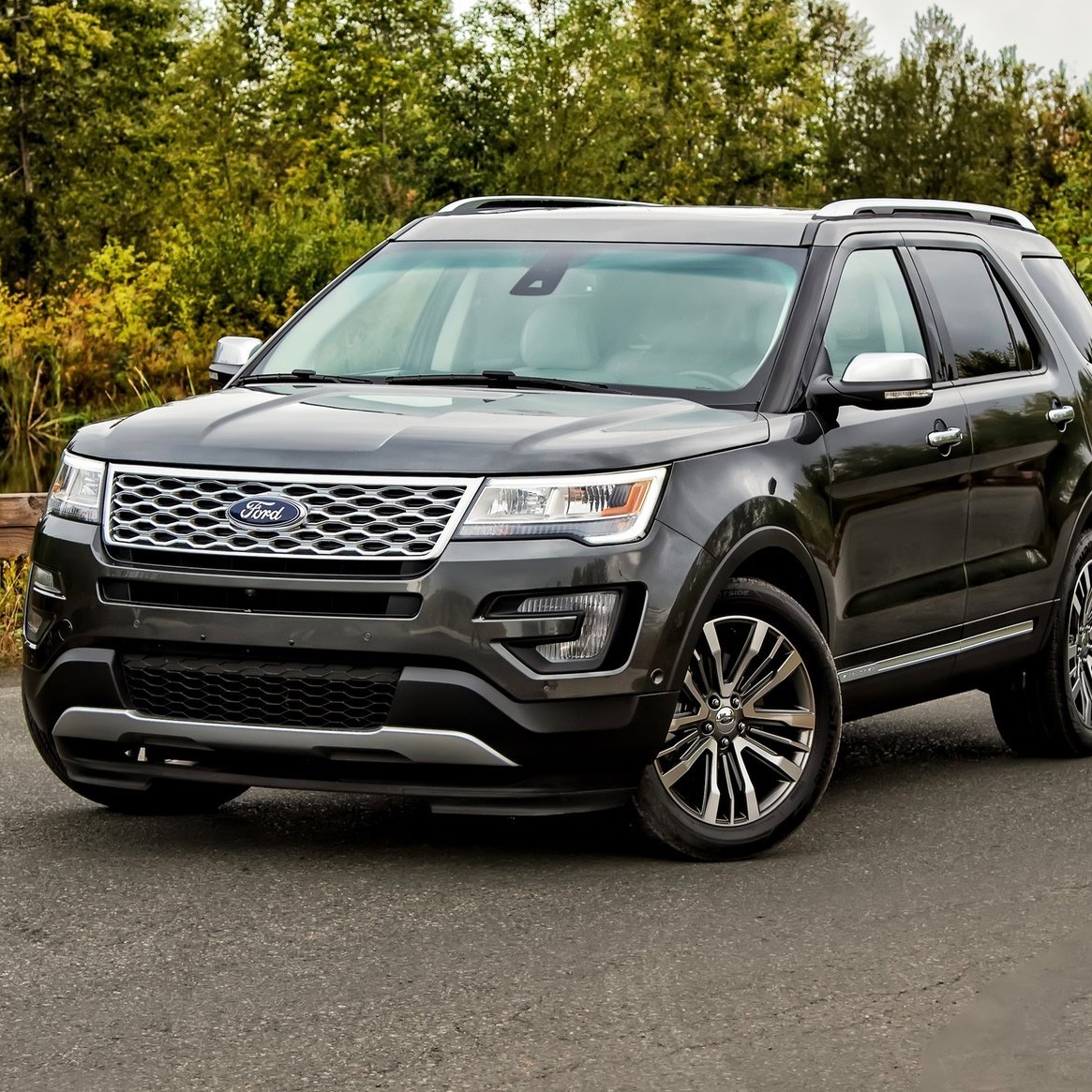
If you step into a dealership and they don’t have a car on the lot and can’t get one from another local dealership, ordering a vehicle is far more likely. Years ago, companies like Jeep and Ford enabling buyers to track customer orders would have been unheard of.
9. Maintenance Perks

With the two Volvo vehicles I have on my own, I have had “complimentary maintenance” for three years, something I also had with my Toyota Camry. The idea that I don’t have to worry about additional costs for three years is a major bonus and a difference in what and where I would buy. (Currently, Volvo includes complimentary factory scheduled maintenance, which varies by model/year, and ToyotaCare covers 2 years/25,000 miles.)
8. Home Delivery
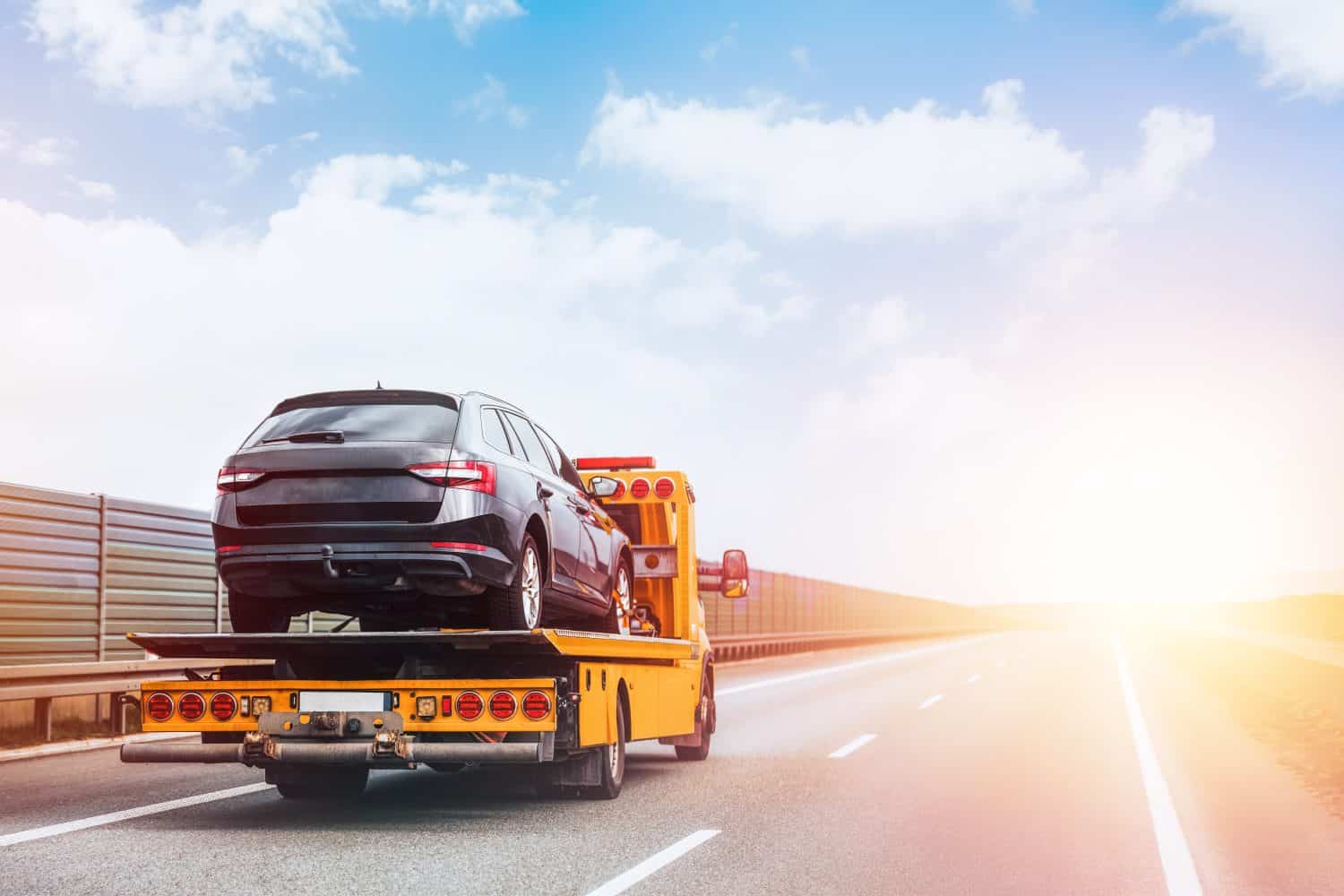
With Audi and Volvo offering a “concierge” style test drive at home, it will come as no surprise that 55% of buyers say home delivery would make them more likely to purchase, according to AutoTrader. The more this comes to reality at other car dealerships, the better the experience will be.
7. Personalized Shopping

If you ever walk into a BMW dealership and work with its “Genius” program, you have a “team of experts” who can help you answer every question about every step of the car buying process. This individualized experience makes you feel ultra comfortable when buying a car.
6. Trade Offers Are Getting Better

Once upon a time, you’d walk into a dealership and expect to get hosed on your used vehicle. Today, online tools like Kelley Blue Book or Edmunds give you insight into exactly how much your trade is worth. This gives you the upper hand with a car dealer, and you can use pricing from sites like Carvana or Carmax to help leverage a better deal.
5. Improved Financing Choices
Two dozen years ago, financing a car with a bank might have made more sense than a dealership. Today, dealerships have better relationships with multiple lenders to get you a reasonable rate. This speaks to the idea that more than 74% of buyers (according to Experian) would prefer the convenience of doing everything with the dealership.
4. Shorter Paperwork

Paperwork has long been one of the worst aspects of buying a car, as you feel you’ve signed your life away. Today, e-signatures significantly reduce the paperwork you must do, and companies like Ford and GM even offer remote signing and home delivery options.
3. Digital Streamlining

As many as 63% of car buyers want the option of completing paperwork online before coming into a dealership. Online financing applications and trade-in evaluations can be done online before entering a dealership. I recently did this when trading in my wife’s car, where I had all of the trade paperwork done before I ever walked into a dealership.
2. Transparent Pricing

There was a time when you saw a sticker on the window of a vehicle and paid that price. Then, this all went away as dealers would add thousands of dollars in extras once they put a term sheet in front of you. Customer outcry has reversed this trend, and pricing is more transparent than ever, leading to 75% of consumers saying they prefer fixed pricing over negotiating.
1. Customer-Centric Growth

Aggressive sales tactics were one of the most significant pain points that caused customers to turn against car dealers. Cox Automotive reports that many shoppers associate positive emotions with the purchase experience—an indicator that the buying process has improved over time. This is why Honda shifted to a “Customer First” training program that emphasizes creating a long-term relationship.








 Top Gaining Stocks
 Top Losing Stocks