


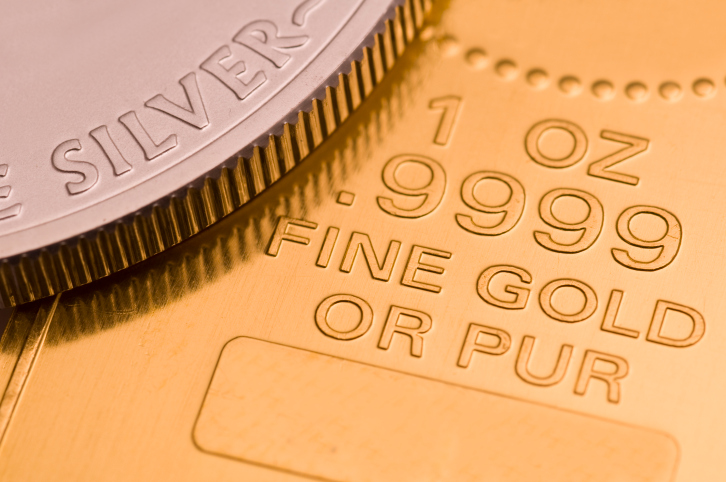
The total supply of gold in the third quarter was down 3% from the same period a year ago to 1,145 tonnes. Modest growth of 4% in gold mining production was seen during the third quarter. There was an 11% contraction in recycling, as lower average prices failed to attract sellers.
Where this story really starts to stand out is in the lower average prices. The average price represented by the council in the third quarter of 2013 was $1,326 per ounce, down a sharp 20% from the $1,652 price in the third quarter of 2012. We have also seen a decline in each quarter of 2013, with prices being $1,631 on average in the first quarter and $1,414 in the second quarter.
Our own take on this is that the fourth quarter of 2013 is being set up for weak trends in pricing as well. If the average in the third quarter of 2013 was $1,326 per ounce, consider that the price of gold is currently around $1,280 per ounce. Gold has also spent most of the past month under $1,320 per ounce.
The reality is that gold pricing is on a trajectory for a simply awful 2013.
Central banks, the one factor that can account for single large transactions, were shown to be buyers of 93 tonnes of gold in the third quarter. This put reserves up nearly 300 tonnes so far in 2013 and marked the eleventh consecutive quarter of net purchases from central banks.
Demand for gold bars and coins continued to grow, with a gain of 6% to 304 tonnes. Another issue shown was that exchange traded fund (ETF) redemptions and outflows slowed to only 119 tonnes. The council believes that most of the tactical redemptions took place in the second quarter. The demand came from Asia, the Middle East and Turkey. The council said on ETF trends:
By the end of September, ETFs had seen outflows to the tune of almost 700 tonnes, with the bulk of this coming through in the second quarter as the gold price fell sharply.
SPDR Gold Shares (NYSEMKT: GLD) is currently at $123.57 per unit, down from $128.18 on September 30. Its price was actually lower at the end of the second quarter at $119.11, but it was all the way up at $154.45 at the end of the first quarter. This is the largest gold trust in the world, but it has contracted to 865.71 tonnes, and the value is now down to $35.4 billion. If you really want to see how this has contracted, the 52-week range of the trust is $114.68 to $170.01.
Jewelry demand was shown in the council’s report to be up 5% to 487 tonnes, as lower prices encouraged a shift to higher carat pieces.
The demand for gold from the technology sector was up by 1% in the third quarter, reaching 103 tonnes, and it was driven by lower prices and improved economic conditions. All of those tablets and smartphones being produced were cited for the strength.
Here is the full third-quarter demand trends report.






 Top Gaining Stocks
 Top Losing Stocks