


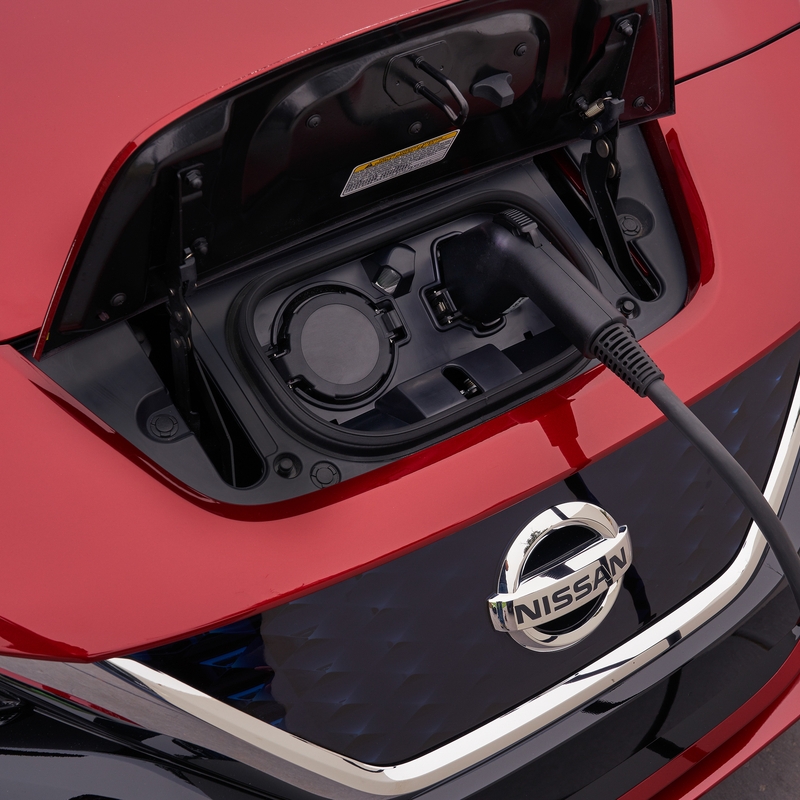
How worried? Volkswagen tried in September to secure a $59 billion contract for an estimated 30,000 tons of the stuff every year from now until 2025. No supplier stepped up — and why should one? The price of cobalt has more than doubled in the past few years and currently trades at around $30 a pound ($60,000 per ton). Prices are expected to rise to $40 a pound next year.
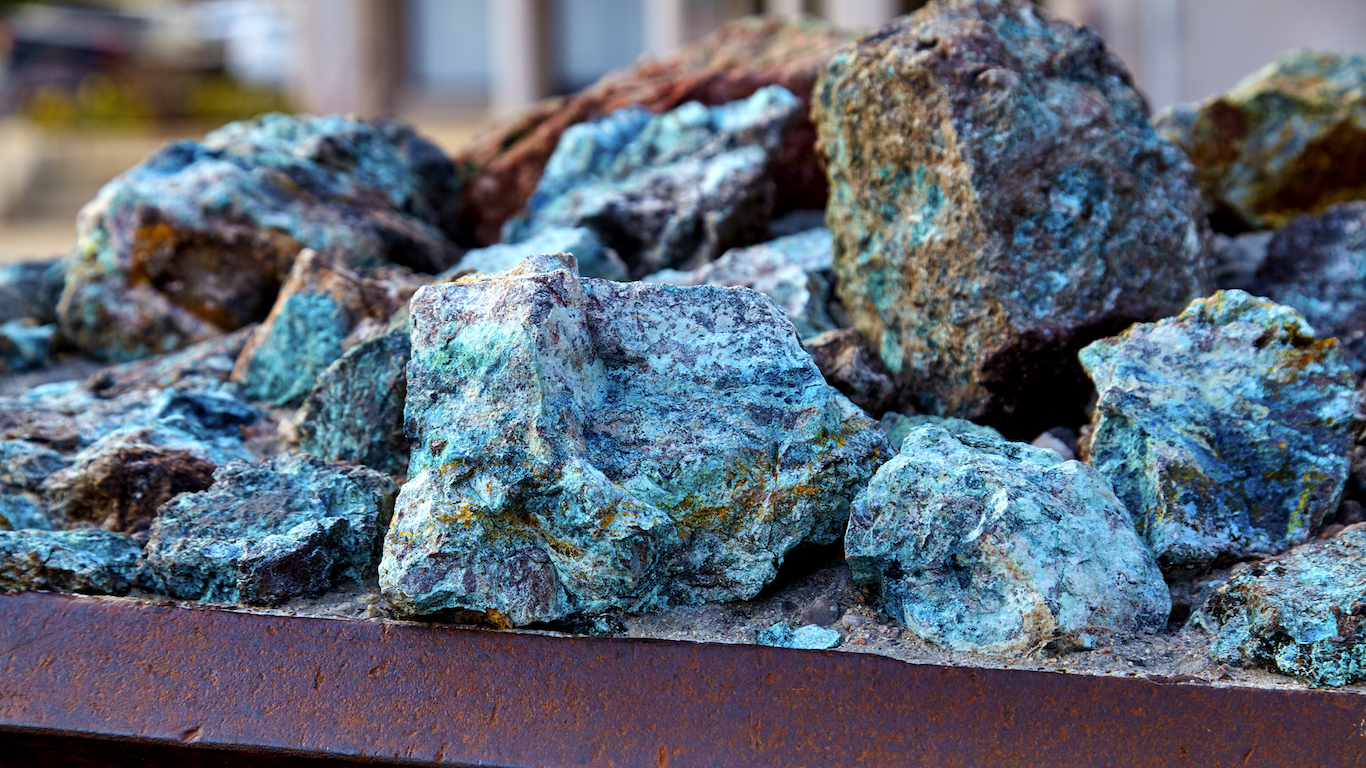
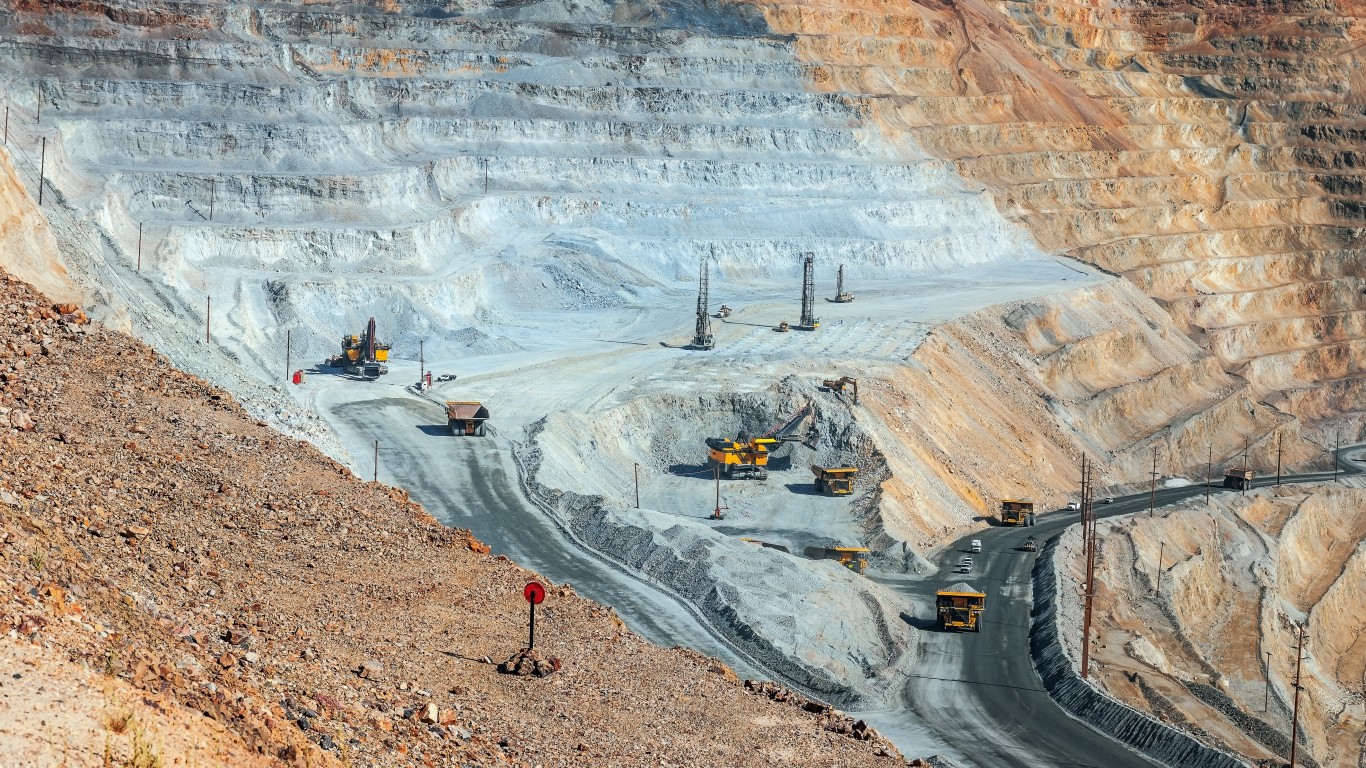
Like lithium, cobalt is relatively plentiful in certain places, but it is expensive to extract and process. As demand rises, however, miners will find ways to cut costs and raise output. Mining giant Glencore is paid $600 million in February to acquire the 31% of the Mutanda mine in Democratic Republic of Congo (DRC) that it did not already own and the remaining 11% of the Katanga mine it did not already own. Both produce copper as well as cobalt.
The DRC is the world’s largest supplier of cobalt and the holder of the world’s largest reserves of the metal. Here is a list from the U.S. Geological Survey of the world’s largest cobalt reserves, along with 2016 production totals.
[nativounit]
Democratic Republic of Congo
> Reserves: 3.4 million metric tons
> 2016 production: 66,000 metric tons
Australia
> Reserves: 1 million metric tons
> 2016 production: 5,100 metric tons
Cuba
> Reserves: 500,000 metric tons
> 2016 production: 4,200 metric tons
Philippines
> Reserves: 290,000 metric tons
> 2016 production: 3.500 metric tons
Canada
> Reserves: 270,000 metric tons
> 2016 production: 7,300 metric tons
Zambia
> Reserves: 270,000 metric tons
> 2016 production: 4,600 metric tons
Russia
> Reserves: 250,000 metric tons
> 2016 production: 6,200 metric tons
Madagascar
> Reserves: 130,000 metric tons
> 2016 production: 3,300 metric tons
China
> Reserves: 80,000 metric tons
> 2016 production: 7,700 metric tons
New Caledonia
> Reserves: 64,000 metric tons
> 2016 production: 3,300 metric tons
South Africa
> Reserves: 29,000 metric tons
> 2016 production: 3,000 metric tons
United States
> Reserves: 21,000 metric tons
> 2016 production: 690 metric tons
[recirclink id=419338]
Except in the DRC, most cobalt is extracted along with more common minerals like copper, nickel or manganese. Total U.S. resources (not the same as estimated reserves) come to about 1 million metric tons, most of which is located in Minnesota.
The total global resource is estimated at around 25 million metric tons, with the vast majority in the DRC and Zambia. More than 120 million tons of cobalt resources have been identified in manganese nodules and crusts on the floor of the Atlantic, Indian and Pacific Oceans.
[wallst_email_signup]










 Top Gaining Stocks
 Top Losing Stocks