


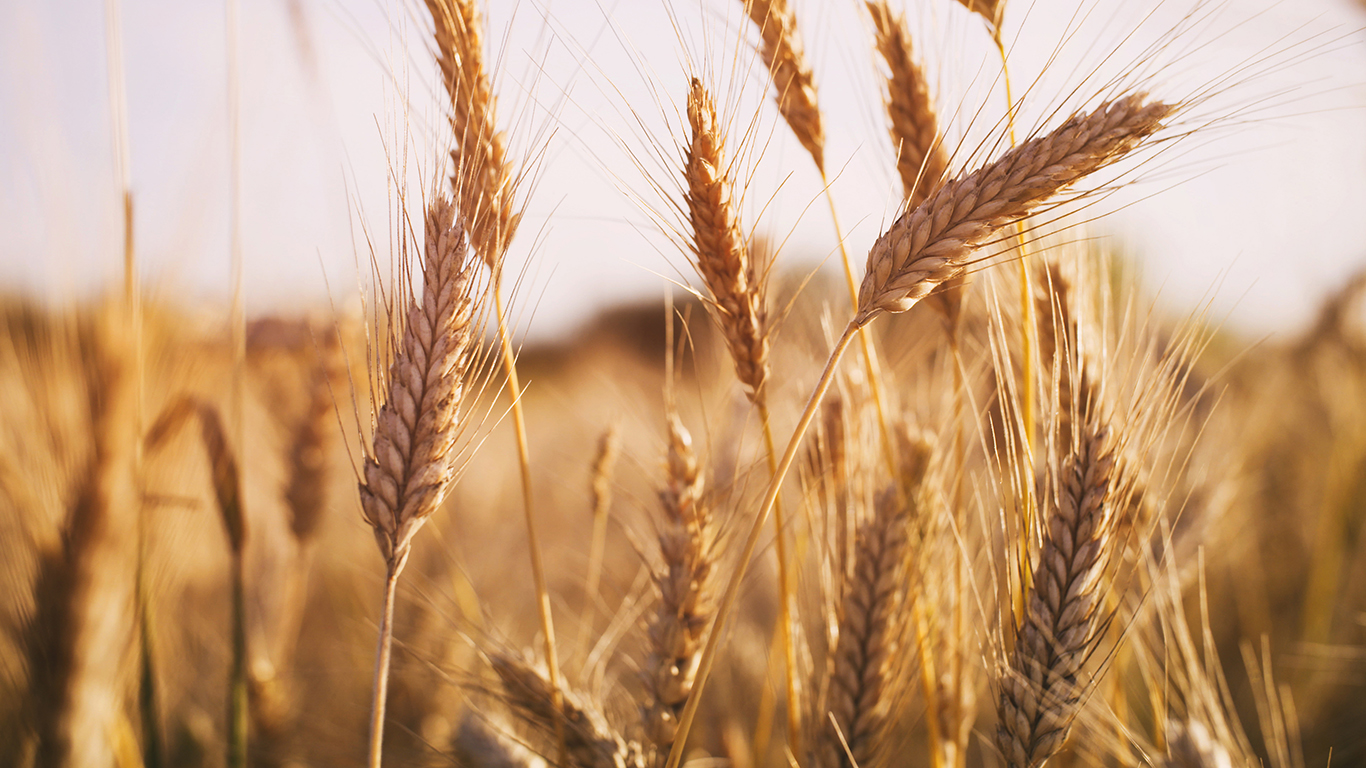
A day after the Intergovernmental Panel on Climate Change said the oceans could rise three feet by the end of the century and that parts of the world could be permanently flooded, another study shows that the world’s wheat crops face significant damage from drought. Wheat, the research shows, represents 20% of all calories consumed by humans worldwide.
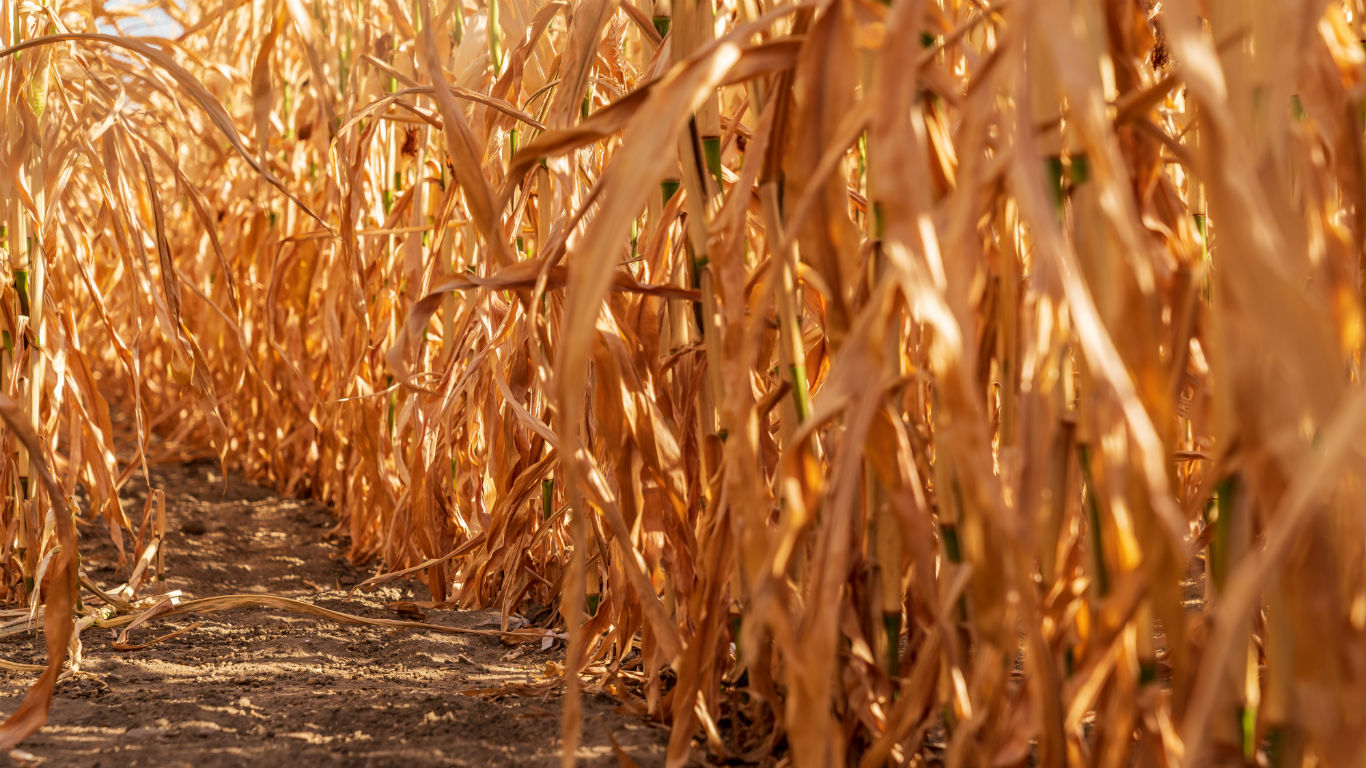
Based on new data analyzed by the University of Arkansas, global climate change will have an unprecedented negative effect on the ability to grow wheat. Song Feng, associate professor of geosciences and author on the study published in the journal Science Advances said, “The risk of widespread drought in wheat production areas is four times the level scientists see today.” The experts who conducted the study looked at 27 climate models. The amount of data reviewed took multiple computers approximately two months.
One of the conclusions of the study is that even if the global temperature increase is only two degrees Celsius above pre-industrial levels, which is the goal of the Paris Agreement within the United Nations Framework Convention on Climate Change, which has been agreed to by 186 nations, 30% of the world’s wheat-producing land could face “simultaneous drought.”
Other than the hunger risk drought has on wheat, the reduction of supply would cause a spike in world prices and make areas where people cannot easily afford food, or afford it at all, more subject to food insecurity. The U.S. Department of Agriculture defines food insecurity as “a household-level economic and social condition of limited or uncertain access to adequate food.” Put another way, people do not have access to food because of either cost or availability. The results of prolonged food insecurity are illness, weakness and pain. These add up to a higher chance of malnutrition.
The economic consequence of the effects of drought on the world’s wheat-growing capacity would be a blow to many American farmers. The United States produces 10% of the world’s wheat and accounts for 20% to 30% of the world’s wheat exports, according to National Geographic. Wheat is also a significant crop in Canada, Australia, India, Russia and China. The impacts of drought in these counties also would cripple their ability to grow wheat for both their own populations and, in some cases, exports.
[nativounit]
The new wheat report, coupled with the Intergovernmental Panel on Climate Change analysis of the oceans, shows just how broadly global climate change affects both flooding and drought, two ends of the climate spectrum. The United States already has been substantially affected because in 50 cities temperatures routinely rise above 100 degrees, and most of them are in the driest parts of the country.
[recirclink id=579178]
[wallst_email_signup]











 Top Gaining Stocks
 Top Losing Stocks