



Pepsi revenues rose 5.1% this past quarter, but only due to price rises globally. Snack volume was up 1%, but beverage volume was flat. Prices for Pepsi’s branded drinks grew 4%, and even then only obliquely, because the company reportedly moved to more single-serve sales and smaller packaging. Together this raised beverage revenues, despite falling volumes. The North American snack division performance was still the worst in 10 quarters, according to Wells Fargo.
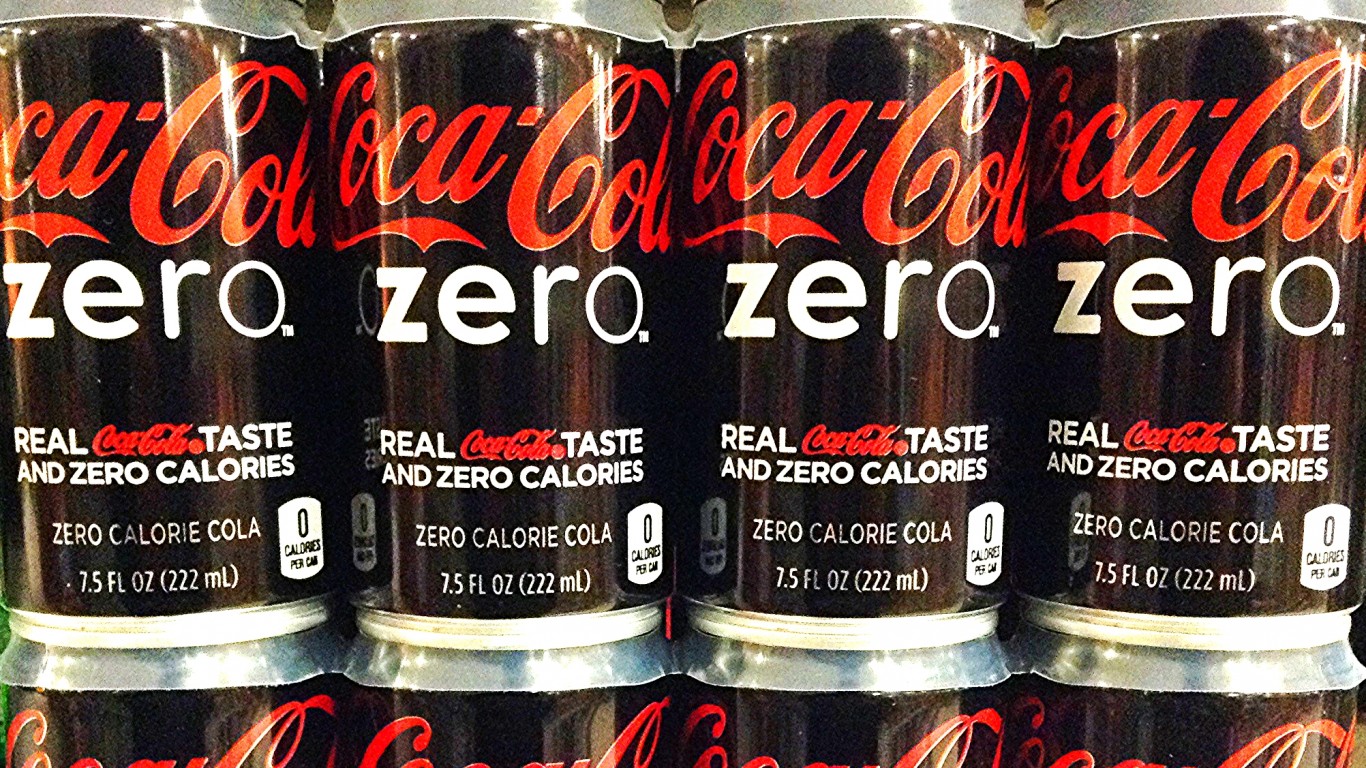
Smaller packaging is one of the trickiest ways that price inflation creeps up on an economy while scarcely being reported. The same prices, only for less goods. Coca-Cola reports doing the exact same thing this quarter, citing favorably impacted North American revenues due to price increases and “product and package mix.” Talk about obfuscating terminology — “product and package mix” means, among other things like changing the look of a container or stamping “New and Improved!” on it, smaller servings for the same price.
ALSO READ: Why Kraft Heinz Debut May Signal More Strength Ahead
The price inflation that is infecting the consumer markets clandestinely is also being felt by Pepsi itself, which dealt with it by laying off low-skilled workers in emerging markets. Chief Financial Officer Hugh Johnston admitted that Pepsi has been automating production plants in Latin America, the Middle East and Africa to escape wage inflation, which is simply price inflation for labor factors. In many countries, Pepsi cannot simply lower wages and have workers keep their jobs due to minimum wage laws.
Speaking of inflation, hyperinflation is actually an issue as well. Venezuela remains a trouble spot for both Coke and Pepsi, though much more so for Pepsi. According to its latest filing, Pepsi would have had to take a $160 million charge in the second quarter had it revalued monetary assets at the 12:1 bolivar to U.S. dollar exchange rate. That sum rises to $325 million at the more probable black market rate of 200:1. With the Venezuelan government trying to stamp out the real market, it is impossible to accurately calculate, and at some point an impairment may have to be made.
Pepsi has an estimated total of $720 million in non-monetary assets in Venezuela. Coke has only a $69 million exposure to the country.
For now, the race between Coke and Pepsi basically involves which company can raise prices the most while hurting its sales the least, rather than which company can grow faster. Or put another way, which company can raise prices without alerting its customer base that it is actively doing so.
ALSO READ: States Drinking the Most Beer
If we are going to see growth in the sector, it may have to come from more unorthodox sources like stevia. If the only natural zero-calorie sweetener ever does take off, it could change public perceptions of soft drink companies as sellers of sugar water and unhealthy snacks to something more palatable for people who currently avoid these products. In order to see growth, Coke and Pepsi will have to open new markets.
Both are slowly moving in this direction. Coke is partnered with stevia company PureCircle and slowly marketing Coke Life, and Pepsi has Pepsi True and a partnership with biotech company Senomyx, also working on natural zero-calorie sweeteners.




 Top Gaining Stocks
 Top Losing Stocks