


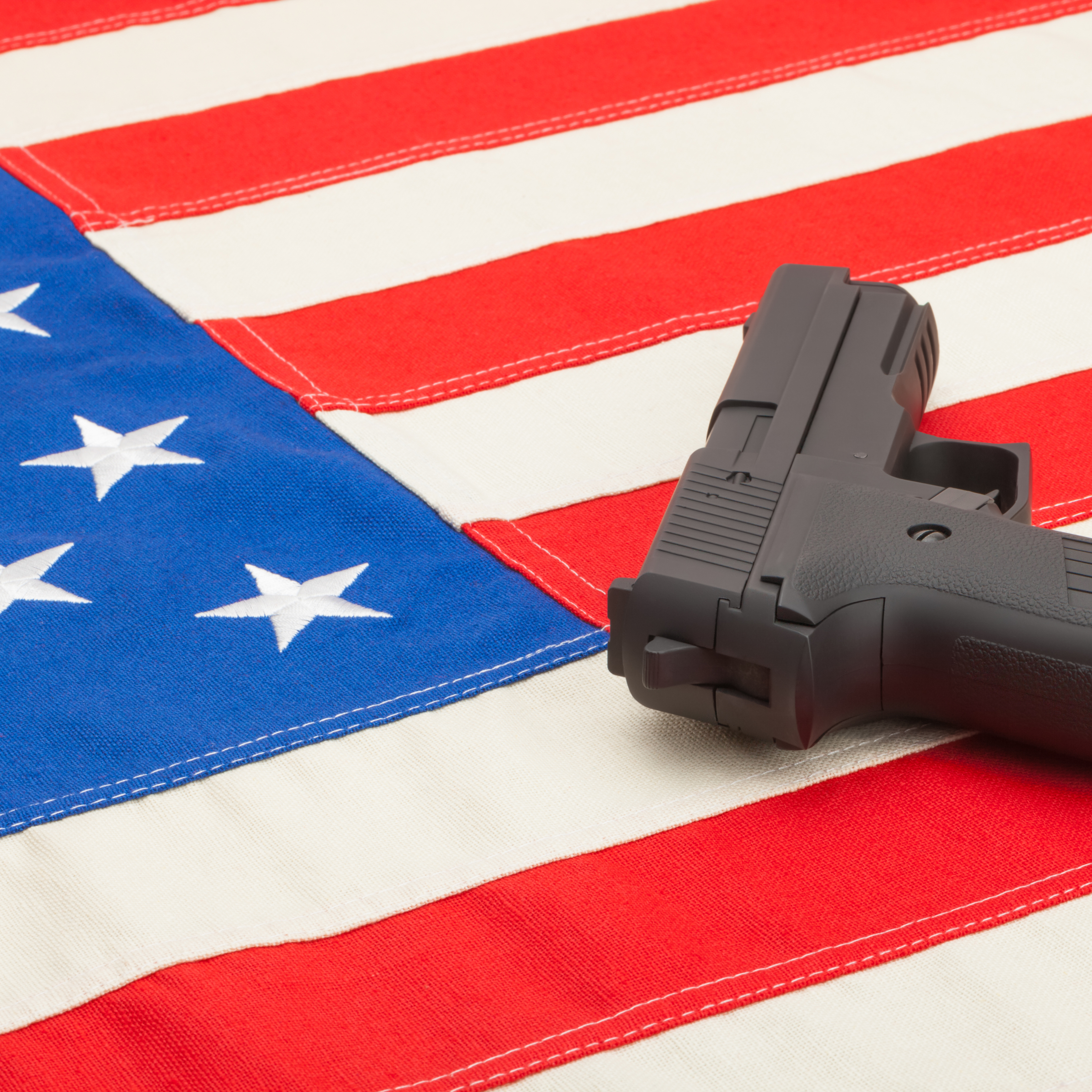
The Sandy Hook effect is a well-known phenomenon in the firearm and personal defense space. It describes the boost in sales of guns in the wake of a shooting incident, most notably its eponymous high school massacre. The day after the shooting, Colorado’s Bureau of Investigation’s (CBI’s) InstaCheck Unit responsible for background checks received more than 4,000 requests for personal checks — an unprecedented and as yet unbeaten one-day record.
Since the more recent San Bernardino shooting in California, Smith & Wesson Holding Corp. (NASDAQ: SWHC) stock is up more than 25%. Sturm, Ruger & Co. Inc. (NYSE: RGR) is up close to 12% across the same period, apparently also buoyed by a presidential address on tighter firearm restrictions. But what about the other side? Are there companies that, as gun sales rise, weaken in response? Possibly yes, with the cause being rooted in disposable income.
Let’s say at the low end, a good model handgun comes in at between $500 and $750. Add in the price of a case, ammunition, accessories (trigger guard, etc.) and training, and you are probably looking at upward of $1,000 low end. In the United States, monthly disposable income is $3,358 averaged across all states. This is income after tax, before the subtraction of any monthly outgoings. The average monthly mortgage payment for a household with an income between $40,000 and $100,000 comes in at around $900.
Factor in food, transportation, health insurance and utilities, and there is very little left. What’s the point here? That a large number of non-gun owners wouldn’t just be able to use this month’s paycheck to buy a gun. So where does the money come from? Savings. Savings that would otherwise be used to buy similarly priced gifts, electronics, jewelry and so on.
[recirclink id=303115]
The day after the San Bernardino shooting, a large amount of capital initially allocated to the purchase of luxury items, capital that individuals had amassed over a period of months with the goal of putting it towards an iPad or watch for their spouse, was redirected to the U.S. arms industry. This redirection is likely to impact the revenues generated by high-end electronic item companies such as Apple Inc. (NASDAQ: AAPL), jewelry companies like Tiffany & Co. (NYSE: TIF), and luxury item retailers such as Macy’s Inc. (NYSE: M). Further, with this reallocation of revenues coming at peak holiday season, its implications are magnified.
Whether this phenomenon will have as pronounced a downside effect on the companies in question as it did an upside effect on the defense companies remains to be seen, but when retailers report this quarter’s earnings early next year, it’s a real point of interest for investors in the space.
By Matt Winkler












 Top Gaining Stocks
 Top Losing Stocks