


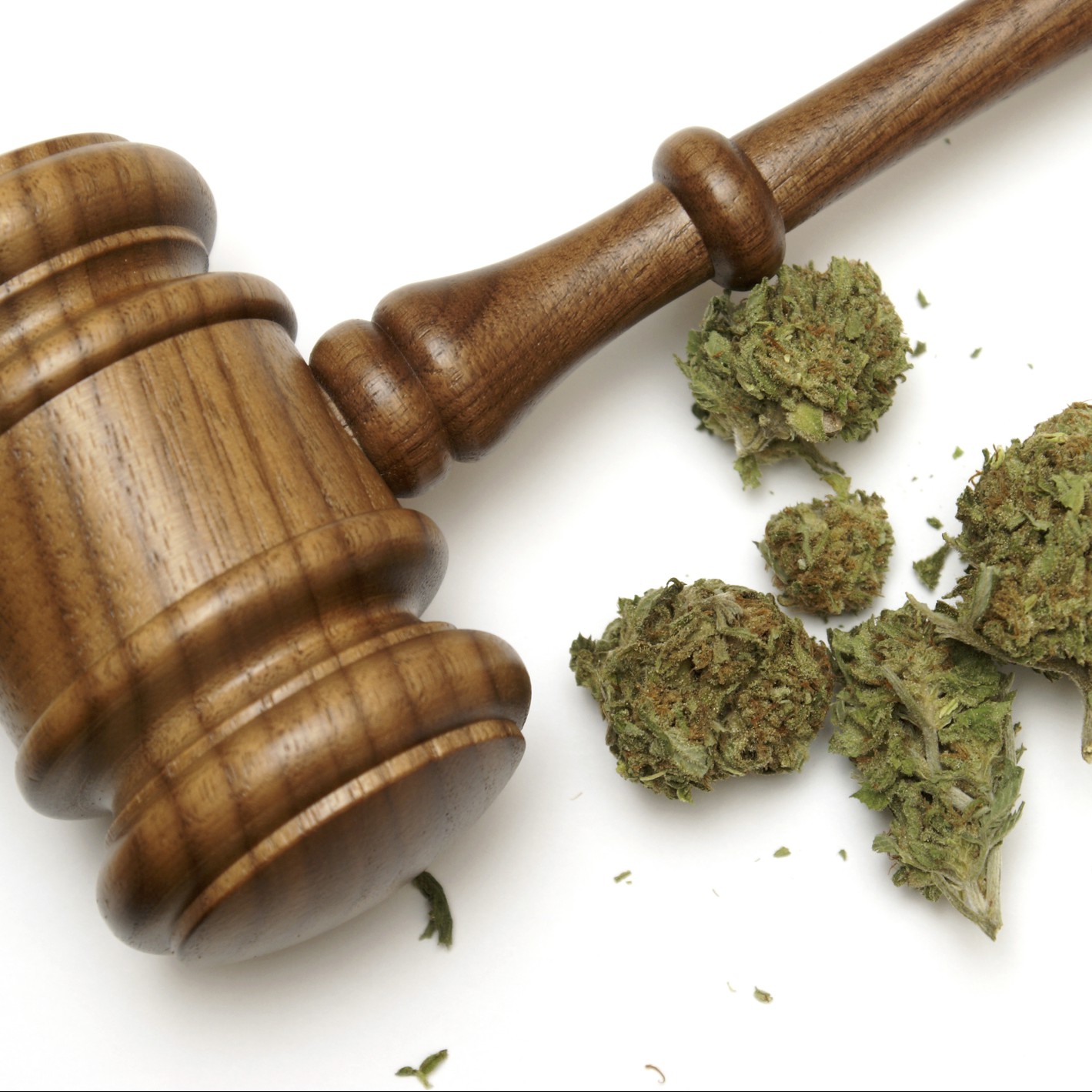
In an action that may establish a standard for cannabis businesses that operate in compliance with state law, the U.S. Department of Justice last week dropped its long-running battle with Oakland, California-based medical marijuana dispensary Harborside Health Center. Federal prosecutors began a campaign against some 600 California dispensaries in 2012, threatening to use civil forfeiture laws to seize assets.
The case does not establish a legal precedent because there was no judicial ruling; the feds just gave up. But Harborside’s attorney believes that the DoJ’s decision will have the same effect:
It was a de facto admission by the DOJ that they would not get anywhere pursuing this case or any case where they tried to go after a licensed dispensary that had been compliant with state law. The federal government is just not getting anywhere with these cases.
Medical cannabis was legalized in California in 1996. In 2014, state-registered dispensaries paid $49.5 million in state taxes.
[recirclink id=305541]
Here are excerpts from other recent cannabis-related news stories.
Germany to Legalize Medical Marijuana
Cannabis will be available to seriously ill German patients on prescription in drug stores and its use may be covered by medical insurance, German Health Minister Hermann Gröhe announced Tuesday. The law is expected to come into force in 2017.
The draft relaxing the regulations on the use of medical marijuana is aimed to alleviating the suffering of seriously ill patients who were previously not eligible to obtain the drug. The draft law is set to be approved by the government Wednesday and then forwarded to the German parliament for further debate.
“Without wishing to pre-judge the work of the Bundestag, it is likely that the law will come into force in the spring of 2017,” Gröhe told die Welt.
One of the key provisions of the law is that medical cannabis will be covered by the patients’ medical insurance.
“Our goal is that seriously ill patients are treated in the best possible way,” Gröhe said, adding that “we want that for the seriously ill patients the cost of cannabis as a medicine will be taken by their health insurance, if they cannot be helped otherwise,” according to the newspaper.
Read more at RT.
Hundreds March in Fort Worth for Marijuana Legalization
Chanting “We smoke weed,” hundreds of people marched through downtown Fort Worth on Saturday to rally for the legalization of marijuana as part of the Global Marijuana March.
Protesters waved flags with marijuana leaves and carried signs that read, “Open your eyes. Legalize” and “God made grass.”
“We want to see a change in our laws sooner rather than later,”said Shaun McAlister, executive director of the Dallas/Fort Worth chapter of the National Organization for the Reform of Marijuana Laws, or NORML. “We are through with our tax dollars being wasted on prohibition.”
The Global Marijuana March, which began in 1999, draws thousands of protesters to cities worldwide. Fort Worth’s protest included U.S. military veterans, medical professionals, business owners, students and people with chronic health conditions.
Read more at the Forth Worth Star-Telegram.
Synthetic Marijuana Has Real Risks
Maybe you’ve seen products sold at deli or convenience store counters labeled as “potpourri” or “herbal incense.” Or maybe you’ve heard about street drugs, sometimes sold openly, as “spice” or “K2.”
They are all versions of “synthetic marijuana”—man-made compounds that are chemically similar to those found in marijuana, but have been tweaked by chemists in ways that can make them technically legal but also stronger and more dangerous than naturally occurring ones. In fact, the number and severity of medical emergencies related to the drug is on the rise.
Part of the problem is that despite a string of recent laws criminalizing synthetic marijuana, the drug is still cheap, easy to get, and not detectable on standard drug tests.
Read more at Consumer Reports.
The Rabbis Are Here to Inspect the (Legal) Weed
The rabbis had never inspected a medical marijuana plant before.
They had arrived here at Vireo Health of New York’s plant, about an hour northwest of Albany, looking for evidence that the company’s products merited kosher certification. They would eventually give their approval, but not before asking some tough questions, beginning in the room where row after row of plants hung upside down to dry.
“This is where they start getting worried,” recalled Ari Hoffnung, the company’s chief executive, because the kosher rules they were most focused on apply after a plant is dried.
As legalization of medical marijuana has hopscotched the nation, entrepreneurs have become nothing if not imaginative: Marijuana lotions, gluten-free edibles and many other niche products have hit the market. Businesses have also found resourceful ways to deal with a patchwork of taxation, banking and interstate commerce issues.
Little about the fledgling industry, then, comes as a surprise. But kosher pot?
Read more at The New York Times.





 Top Gaining Stocks
 Top Losing Stocks