


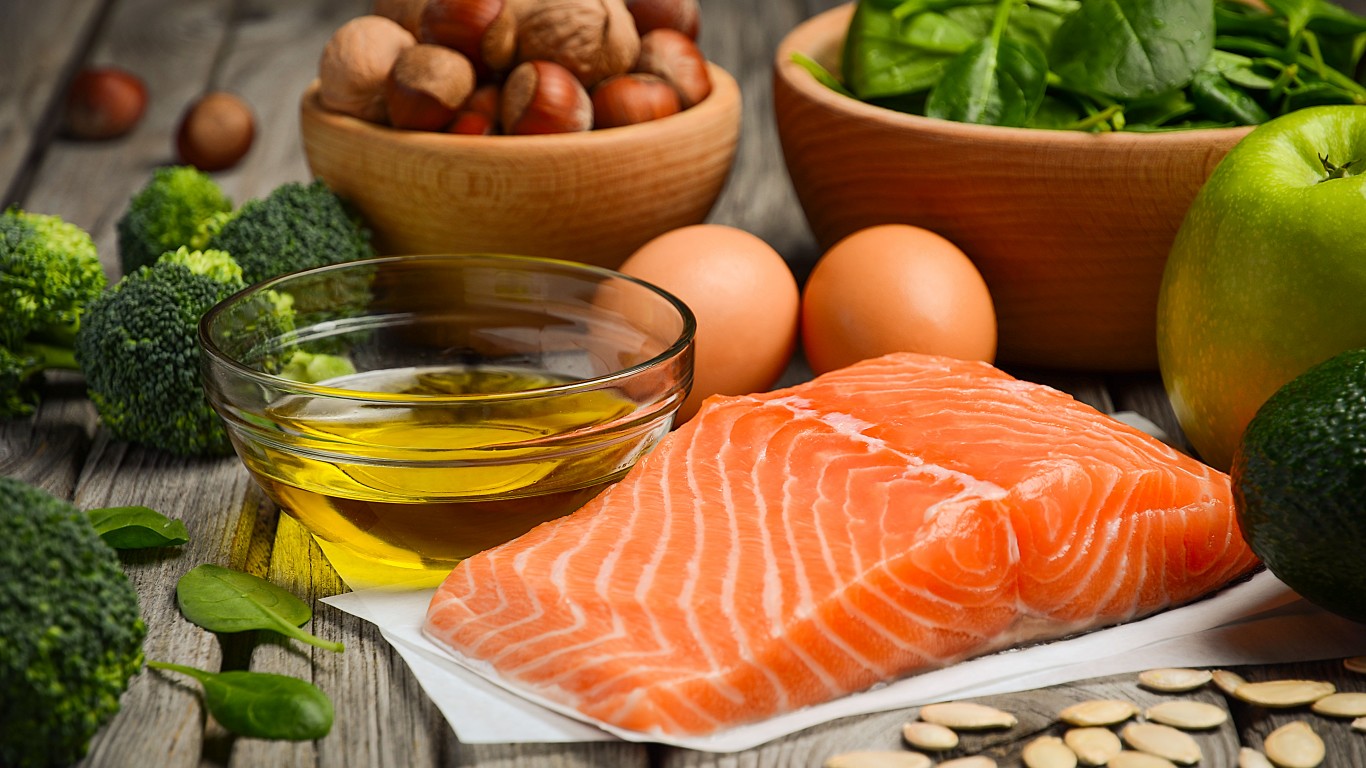
It is well-established that our bodies need omega-3 fatty acids, substances found primarily in certain varieties of fish (one kind also appears in nuts and seeds). Among other benefits, these compounds have been shown to lower triglycerides in the blood, reduce inflammation in the body, help visual and neurological development in infants, and possibly combat depression, ADHD, and Alzheimer’s disease.
Some 10% of Americans currently take omega-3 supplements, and considering their many healthful qualities, we probably all should be — right?
[nativounit]
Not necessarily. According to two studies conducted by researchers at Harvard Medical School on a total of about 34,000 adults, people who are in good health or have no more than average risk of developing heart disease probably don’t need the supplements if they eat fish frequently.
That means at least two servings a week of fatty or oily fish such as salmon, sardines, mackerel, tuna, herring, or anchovies. Just because you are far away from the ocean, does not mean you are separated from great seafood. These are the most popular seafood restaurants in every state.
“It’s a good lifestyle change to make and has been a recommendation for a while,” according to the lead author of one of the studies, Dr. JoAnn E. Manson, professor of medicine at Harvard Medical School. “Nothing in these studies supersedes the recommendation for moderate fish intake.”
At the same time, consumption of red meats, processed foods, and refined grains should be reduced. In addition, be wary of omega-3-rich but potentially fattening things like avocados and fortified peanut butter. But there are many more examples. Here are the “healthy” foods that are actually ruining your diet.
[recirclink id=561266]
Dr. Manson also told Harvard Women’s Health Watch, however, that the studies’ findings “are somewhat complex and nuanced… Some groups tended to benefit [from the supplements], while other groups didn’t.”
For reasons that weren’t clear to the researchers, African-American participants who took omega-3 supplements in one study saw a 77% reduction in heart attacks, versus a 40% reduction in the overall group. It remains unclear why they benefited more from the supplements, but additional studies will address the question.
The bottom line is that omega-3 supplements are probably a good idea for African-Americans, as well as for those with high cardiovascular risk factors and those who don’t or can’t eat fish. Dr. Manson recommends a 1-gram daily supplement, unless your physician recommends otherwise. (Algae-based supplements provide the same benefits for vegans and those with fish allergies.)
At the same time, consumption of red meats, processed foods, and refined grains should be reduced. In addition, be wary of omega-3-rich but potentially fattening things like avocados and fortified peanut butter. But there are many more examples. Here are the “healthy” foods that are actually ruining your diet.
[wallst_email_signup]













 Top Gaining Stocks
 Top Losing Stocks