


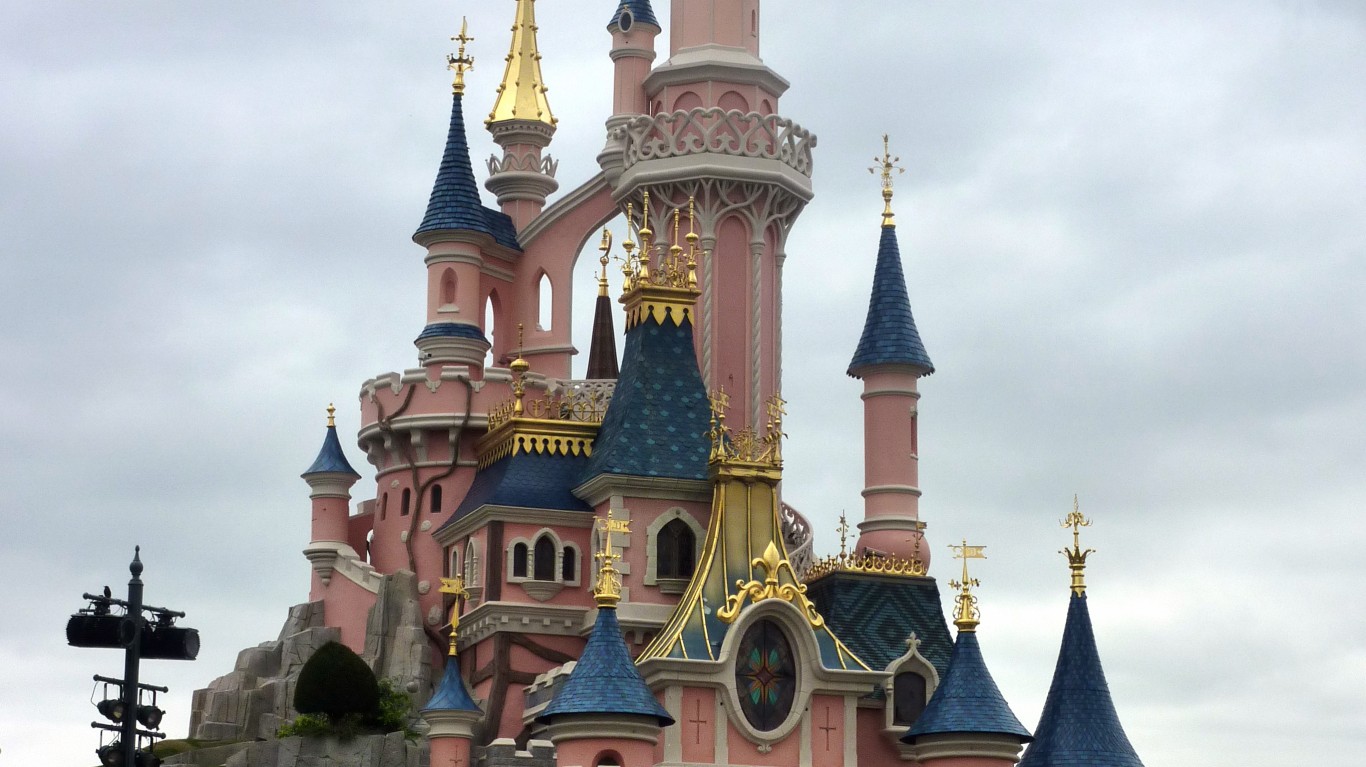
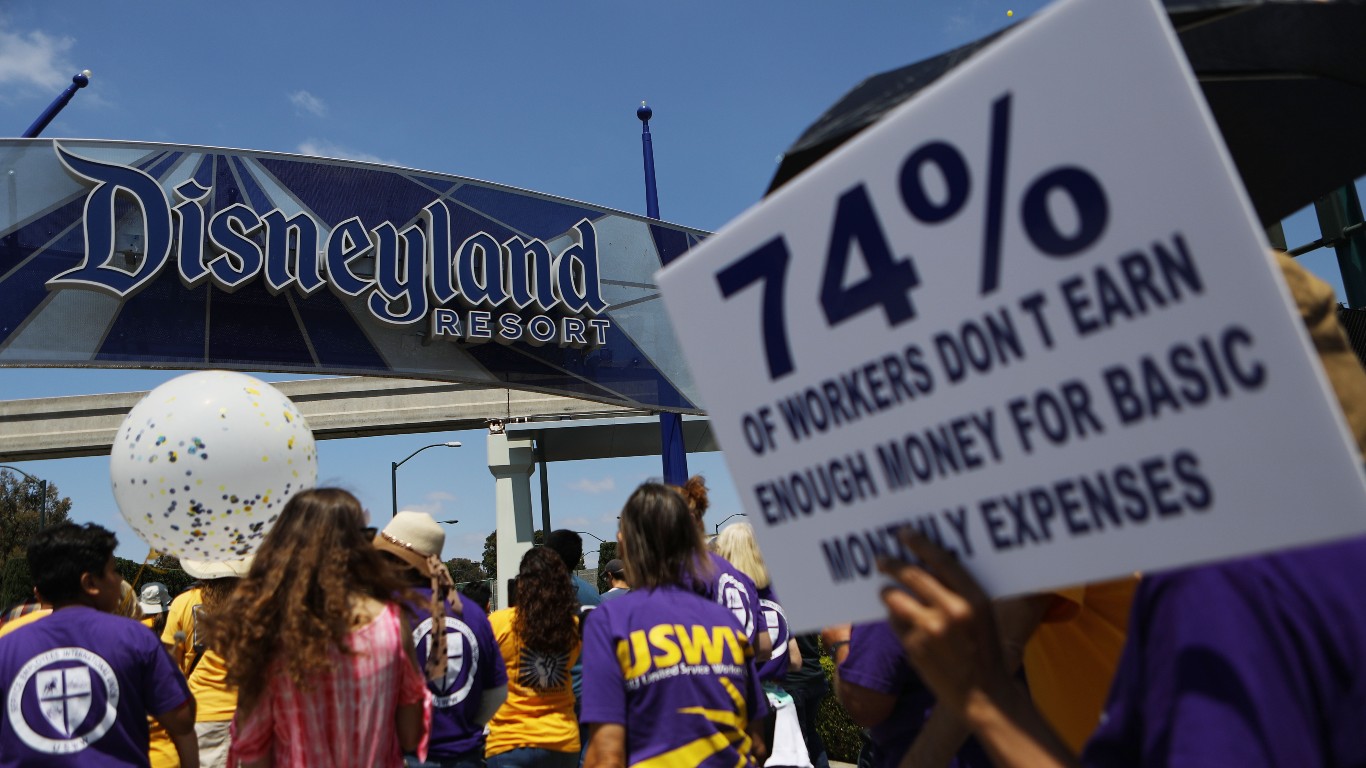
The COVID-19 pandemic has savaged nearly every business with doors, seats, tables and rooms. That runs from restaurants and hotels to air carriers, theme part operators and movie theater companies. For some set of reasons hard to support at any point since March, a comeback for these was in the offing. Walt Disney Co. (NYSE: DIS | DIS Price Prediction) put a flame to that as it laid off 28,000 people in its theme park business. Neither being among the most powerful and well-known brands in the world nor a rich balance sheet changed the problem. Far poorer and less well-known businesses are clearly defenseless as the final quarter of the year begins.
[in-text-ad]
There is no comfort, for either the workers who will leave or for workers in any related industries, because those who will leave are mostly part-time workers. They probably lived in harsh economic circumstances beforehand, which means the chance they have the means to support themselves financially short term is nil. Disney gave the reason that it has and will lose hundreds of millions of dollars. The company, on paper, could have kept people on. Its MBAs did calculations and saw that even in the long haul, with more COVID-19 cases coming on, the prospects are hopeless until well into 2021.
The 28,000 number is consequential, not just for those who are part of it but for the economy as a whole. In a good month over the nearly decade long recovery, the American job engine added 150,000 to 200,000 workers a month. Multiply the Disney number across tens of thousands of other companies with doors, seats, tables and rooms, and the loss of employment rises into the hundreds of thousands. That is what the economy has to look forward to through the winter. If COVID-19 cases have not started to drop by March, when the worst of the spread began this year, it may be that 2021 will look like 2020 — without this year’s strong January and February.
[nativounit]
Josh D’Amaro, the chairperson of Disney Parks, Experiences and Products, said in a letter to employees:
Over the past several months, we’ve been forced to make a number of necessary adjustments to our business, and as difficult as this decision is today, we believe that the steps we are taking will enable us to emerge a more effective and efficient operation when we return to normal.
“Normal” is code for an “all-clear signal.” As is true with most companies like Disney, D’Amaro will be employed when he and other management decide when that is.
Disney is lucky. It has other business divisions. The luckiest of its recent decisions was to start the Disney+ streaming service. Consumers, many of them shut in, have found the mix of Pixar, Marvel, Star Wars and National Geographic for $6.99 a month irresistible. Its subscriber base likely numbers over 70 million. Never mind that Disney got the idea from Netflix and Amazon. Disney+ may end up as the flagship of a company that has relied on foot traffic for decades.
Almost no one expected Disney to announce today’s decision. On the other hand, no one should be surprised by it, or what it signals.
[recirclink id=769839]
[wallst_email_signup]








 Top Gaining Stocks
 Top Losing Stocks