


Cineworld, the second-largest movie theater chain in the Untied States and Europe, said it will close all of its locations. That includes 536 theaters and means layoffs of about 45,000. As part of the decision, all of the company’s Regal theaters in America will be closed. The American part of Cineworld has about 20,000 workers. It is yet another setback for the travel and entertainment industries, which employ hundreds of thousands of people, and need a sharp drop in COVID-19 cases to bring back revenue. As the spread of the disease quickens again, this has become less likely.
Regal is part of the movie chain business in America dominated by it and AMC Entertainment Holdings Inc. (NYSE: AMC). AMC has about 40,000 workers in the U.S. and faces the same market challenges as Cineworld, which puts most of its jobs at risk as well. AMC has set aggressive measures to keep its theaters safe. These include seating which allows social distancing and regular disinfecting of theaters after each show. It has not been able to use these measures to bring back audiences
The movie theater industry has also been damaged because major studios have delayed released. The studios do not want to spend tens of millions, or even hundreds of millions, of dollars on productions that will play to mostly empty locations. At some point, if COVID-19 infections do not drop, these movies may go directly to streaming online. That almost certainly would permanently damage Regal, AMC and smaller rivals.
The theater world is a modest part of the travel and entertainment industry problems.
[nativounit]
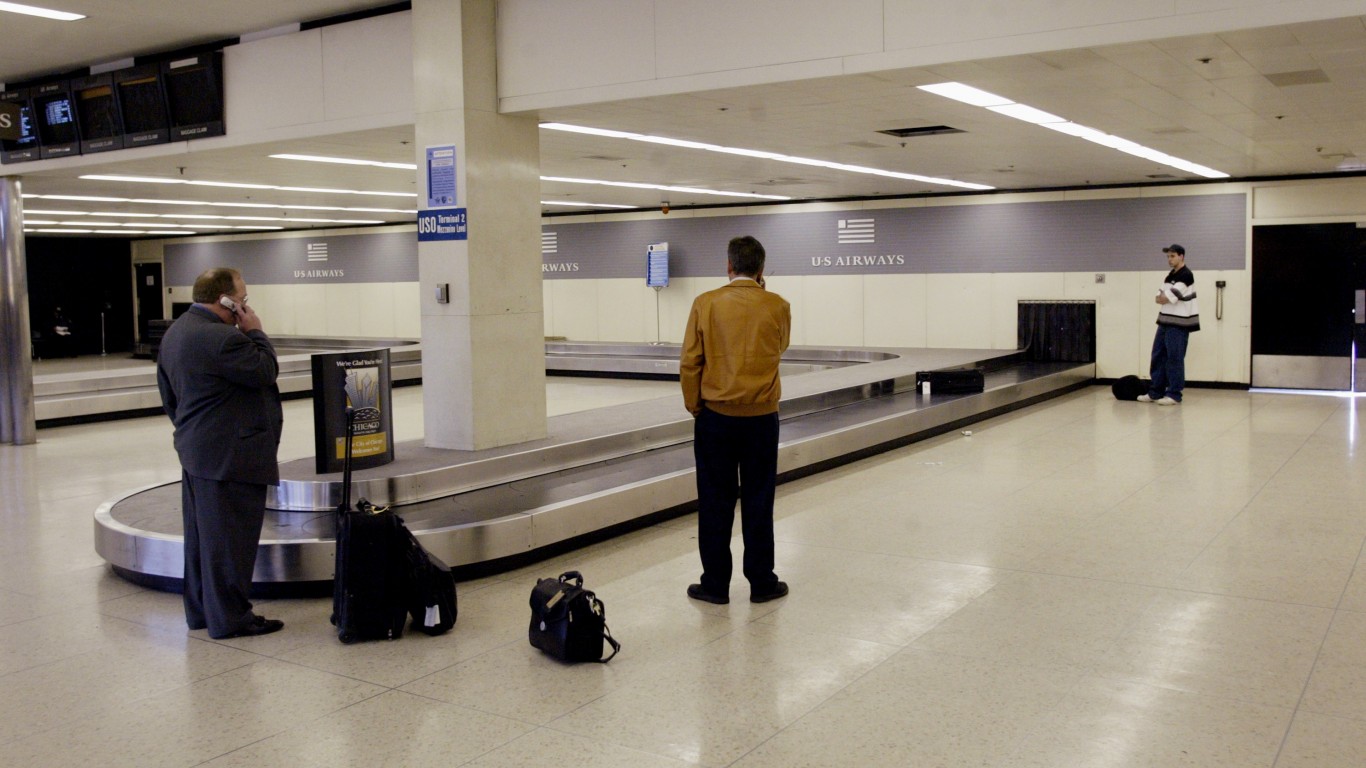
American Airlines Group Inc. (NASDAQ: AAL | AAL Price Prediction) and United Airlines Holdings Inc. (NYSE: UAL) will cut 32,000 jobs, if they do not get government aid, between them as travel revenue continues its flat spiral. Add this to the 28,000 that Walt Disney Co. (NYSE: DIS) cut last month, and just these three public corporations will slice 60,000. Without government support of the carriers, these announcements are only the start of actions that could swell to the loss of 100,000 jobs.
Both airlines said they would reinstate the workers if a government aid package that is between $20 billion and $25 billion is put into place. For now, that is a big if, because the plan needs to make it through the House of Representatives, the Senate and the White House. All three parts of the federal government have reasons to preserve jobs in a suffering industry. Yet, its financial needs compete with other packages to boost jobs and keep businesses open.
Regardless of the aid, the return of passengers has been extremely modest. It will be undermined by a new surge in COVID-19 cases brought on by the winter and by careless behavior in some areas. Airlines could find their revenue moving back toward zero.
Delta, JetBlue, Southwest and other large U.S. carriers have not made announcements similar to those of United and American. Among them, they will need to cut tens of thousands of workers as well. Each is in a situation almost exactly like the others.
Incidentally, the effect on the hotel industry will be similar. Big hotel chains are among the largest employers in America. Both business travelers and leisure travelers will not book hotels in great numbers in the next several months. The chains and individual hotels will face the cash preservation hurdle.
While Disney theme parks have the largest attendance in the industry, several other companies are just behind it. That includes Universal, SeaWorld, Busch Gardens, Cedar Point and Six Flags. Among them, they have hundreds of thousands of workers. Many of those jobs are at extreme risk.
There is a great deal of debate about the jobs recovery. Will unemployment rates continue to fall in America as people who find work outnumber those who lose jobs? Over the course of the recovery, which lasted a decade, in a good month, the United States added 150,000 jobs. The travel and entertainment industry could upend the recovery. The process has begun already and is certain to spread.
[recirclink id=770019]
[wallst_email_signup]











 Top Gaining Stocks
 Top Losing Stocks