


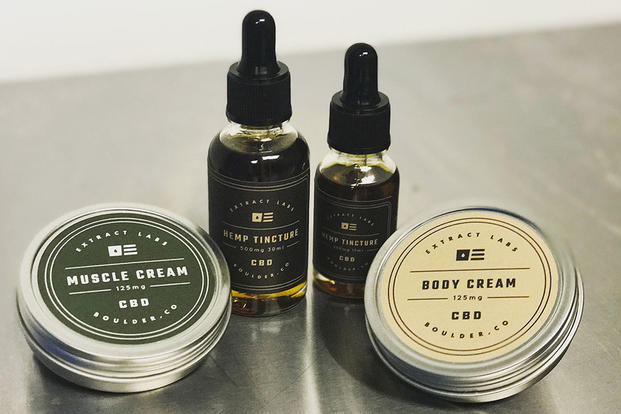
Sales of hemp-derived cannabidiol (CBD) products could jump 54% year over year in 2020 to around $1.8 billion. By 2025, the market for hemp-derived CBD products could triple to $6.9 billion.
The data was reported Monday in a new report on hemp-derived CBD products from Hemp Industry Daily and is based on projections from Nielsen Global Connect.
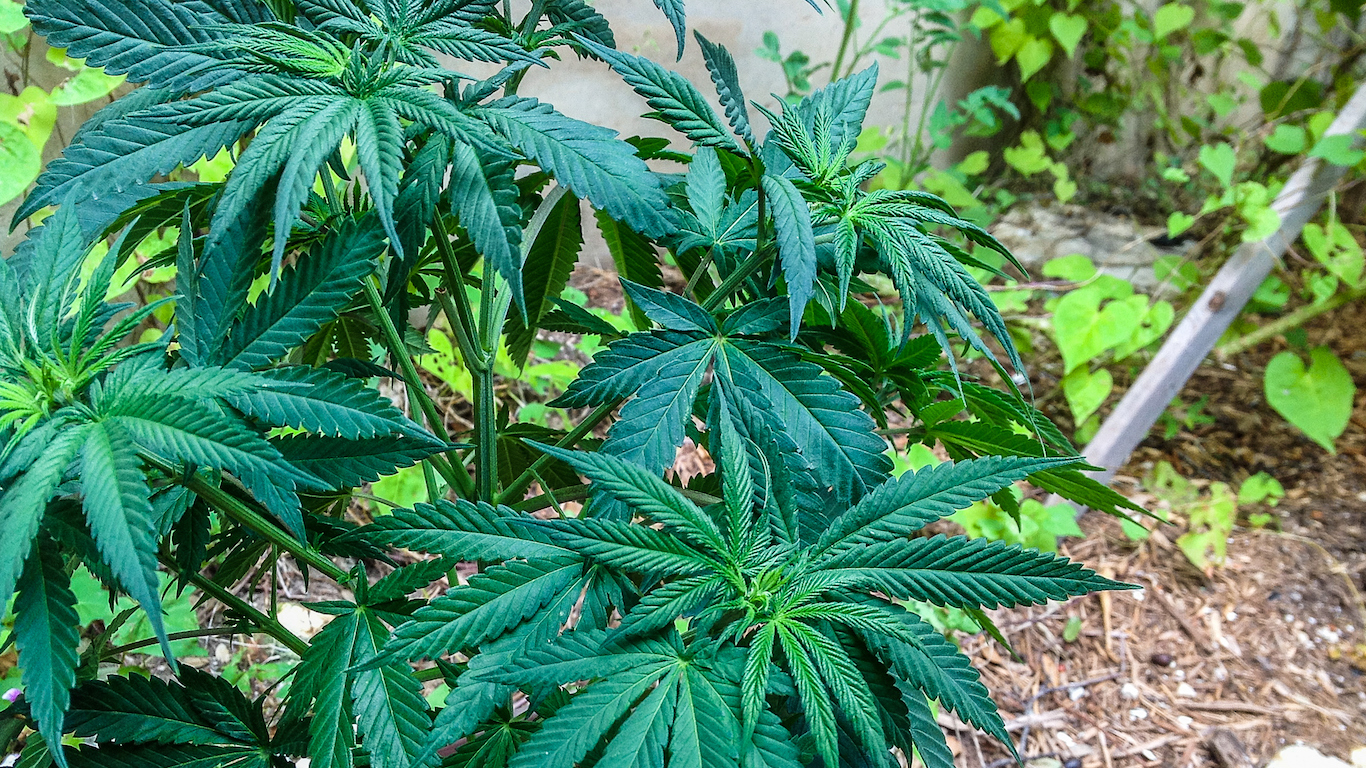
Hemp-derived CBD products are made from industrial hemp plants that may not contain more than 0.3% of delta-9 tetrahydrocannabinol (THC), the psychoactive ingredient in marijuana that produces the plant’s famous high. The most highly concentrated strains of recreational marijuana contain 25% to 30% THC, while medical marijuana typically contains 5% to 20% THC.
By product category, nearly a third ($589 million) of 2020 sales will come from over-the-counter supplements. Inhalable products ($267 million) and beverages ($246 million) are the second- and third-largest product categories and account for nearly another third.
[nativounit]
Nielsen projects that supplement sales will increase to $1.5 billion by 2025 (up 159%), while beverage sales will increase by 428% to $1.2 billion. Sales of inhalable products are expected to rise by 197% to $792 million.
Beauty products (lotions, creams and cosmetics) are forecast to account for $191 million in sales this year, rising to $508 million in 2025.
Sales are booming, the report notes, due to “increased anxiety and stress during the coronavirus pandemic.” That, combined with rising interest in wellness products of all kinds, sent sales of hemp-derived CBD products soaring this year.
As the Nielsen forecasts indicate, there is still room for much more growth. One reason for higher growth forecasts is that not all retailers are willing to carry the full range of CBD products.
According to the report, “dozens of mainstream retailers have entered the CBD category by picking up topicals such as hand and body cream, balms and cosmetics, although most have been hesitant to sell ingestible products until there is more regulatory clarity from the U.S. Food and Drug Administration [FDA].”
Industrial hemp and products derived from it became legal in 2018 when the Farm Bill was enacted. The FDA, however, has retained its regulatory authority over hemp and CBD consumer products, but it has not yet made public any regulations nor indicated when further guidance can be expected.
In July, the FDA submitted draft guidance for approval to the White House’s Office of Management and Budget (OMB) as required by law. If the guidance is approved, the regulations could be released at any time.
One cannabis industry attorney cited in the report expects the regulations to be “claims-focused,” that is, aimed at controlling illegal and unsubstantiated claims by some manufacturers regarding the efficacy of their products.
Once the regulations for CBD products are released, sales of edibles and other ingestibles are expected to take off as more retailers put more of the products on their shelves.
Retailers, especially large grocery chains, could jump on the bandwagon once the rules are in place. Hemp-derived CBD products typically command prices of double or more those for similar products lacking CBD. The report notes that CBD-infused liquid tea sells for an average of $5.36 compared to $2.05 for a non-CBD tea. Water enhancers have one of the greatest differences: $42.06 for an average CBD-infused product compared to $1.97 for a non-CBD water.
While CBD’s food/ingestible categories are getting the most attention, the “prestige” category is beauty and skincare products typically sold at high-end retailers. The report says this category of goods could increase by 1,000% by 2025.
[recirclink id=803014][wallst_email_signup]






 Top Gaining Stocks
 Top Losing Stocks