



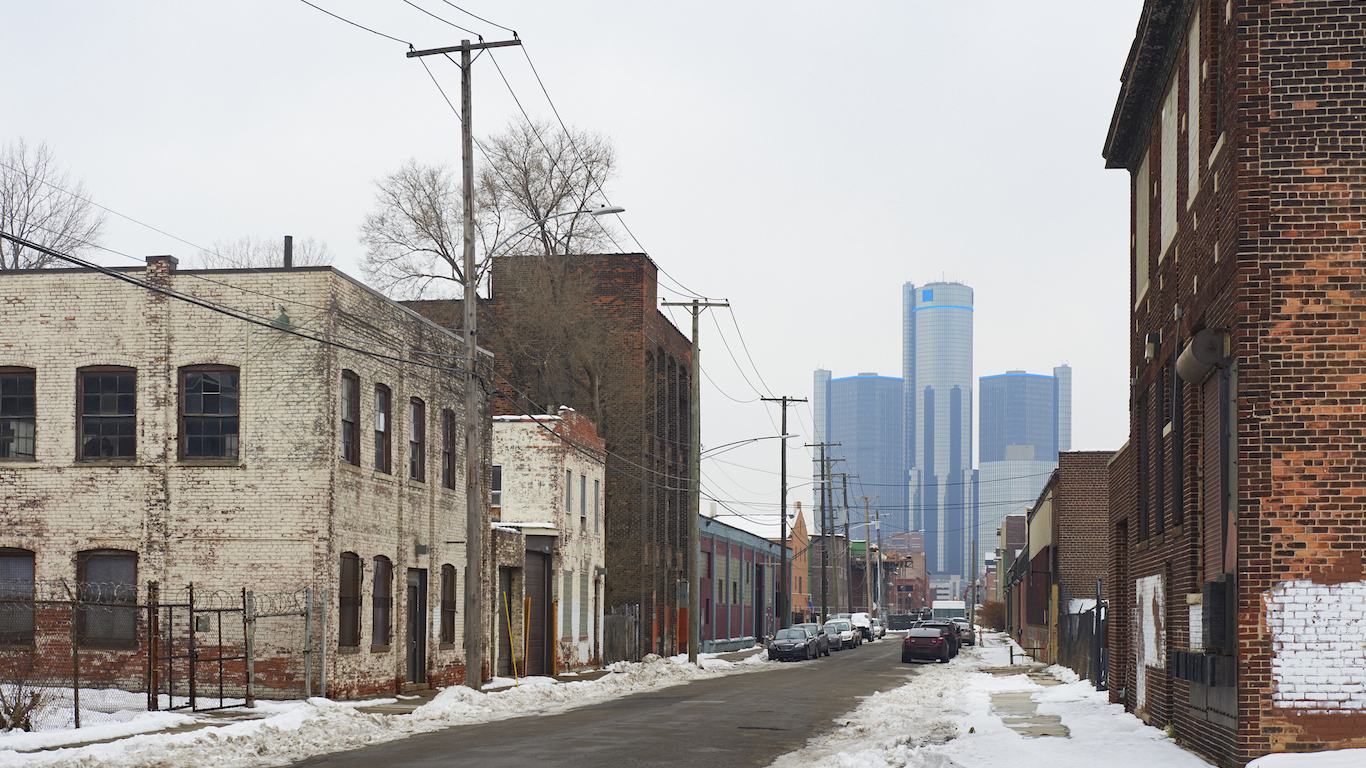
Over the past century, some once huge American industries have almost disappeared. Some of these provide products and services Americans no longer use or use much. Others succumbed to foreign competition. Near the top of these lists are products used in manufacturing. Cities like Pittsburgh, Cleveland, Toledo and Detroit were built on these. Now, the cities, and the industries that built them, are nearly gone, as steel production and rubber products are mostly made outside the United States and the car industry has been overwhelmed by products from Germany, Japan and South Korea. GM is no longer the largest car company in America. After 90 years in the top spot, it was replaced by Toyota last year.
Another reason some industries have died is that technology has replaced humans. This has started in retail, where check-out functions can be done by computers. Many warehouse functions can be done by machines as well. Estimates show that artificial intelligence-based products may kill hundreds of thousands of jobs in the next decade.
The demand for people to fill jobs in America has exploded. There are millions of jobs that companies have been unable to fill. Some of this many due to low pay, and also people who have received government assistance have income they normally would not have.
Even though the employment picture is favorable, there are sectors of the economy that are declining and their longtime prospects look grim. To identify America’s fastest dying industry, 24/7 Wall St. reviewed employment change from 2011 through 2020 for U.S. industries. All data was retrieved from the U.S. Bureau of Labor Statistics’ Quarterly Census of Employment and Wages.
[nativounit]
Many sectors we considered have been declining for years and show no sign of reversing course. Every sector on the list shed more than 50% of its workforce from 2011 to 2020.
Retail has had a tough time attracting workers because of low wages, especially since the onset of the pandemic, as workers recoil from physical interaction with customers. Brick-and-mortar retail also has been in a prolonged decline because of e-commerce.
Not all the jobs lost are in manufacturing and retail. Employment at pension funds has been declining since the 1980s because fewer companies maintain pension plans for employees. Businesses do not want to take on the risk of promising employees that defined benefit when they retire.
The fastest shrinking American industry is other insurance funds. Here are the details:
- Employment change 2011 to 2020: −92.79%
- Employment 2020: 1,428
- 10-year change in average annual pay: 54.78%
- Average annual pay 2020: $107,370
Click here to see all of America’s fastest dying industries.
[wallst_email_signup]










 Top Gaining Stocks
 Top Losing Stocks