



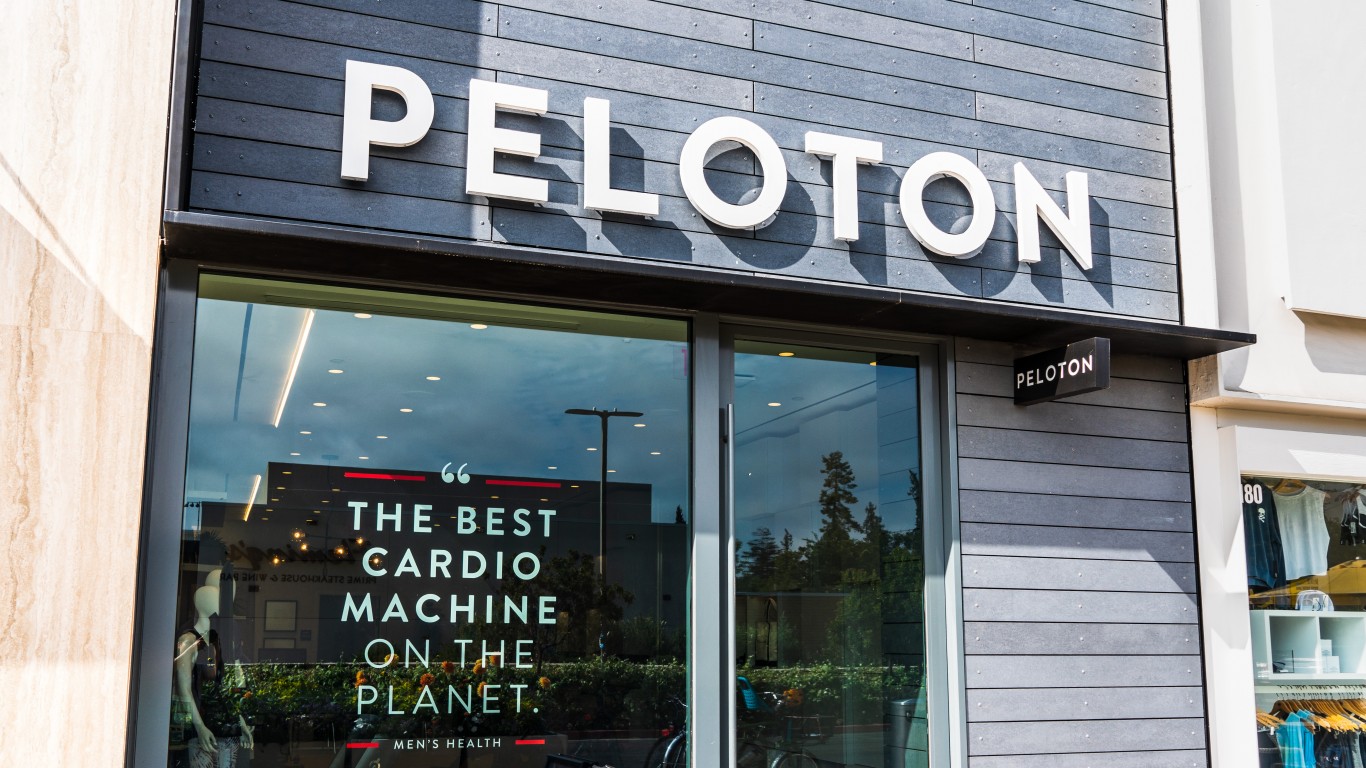
With quarter after quarter of disastrous results and a turnaround plan that lost its way early on, Peloton Interactive Inc. (NASDAQ: PTON) made a recall recently that will end its run as a viable public company. (Customers are abandoning these 25 brands.)
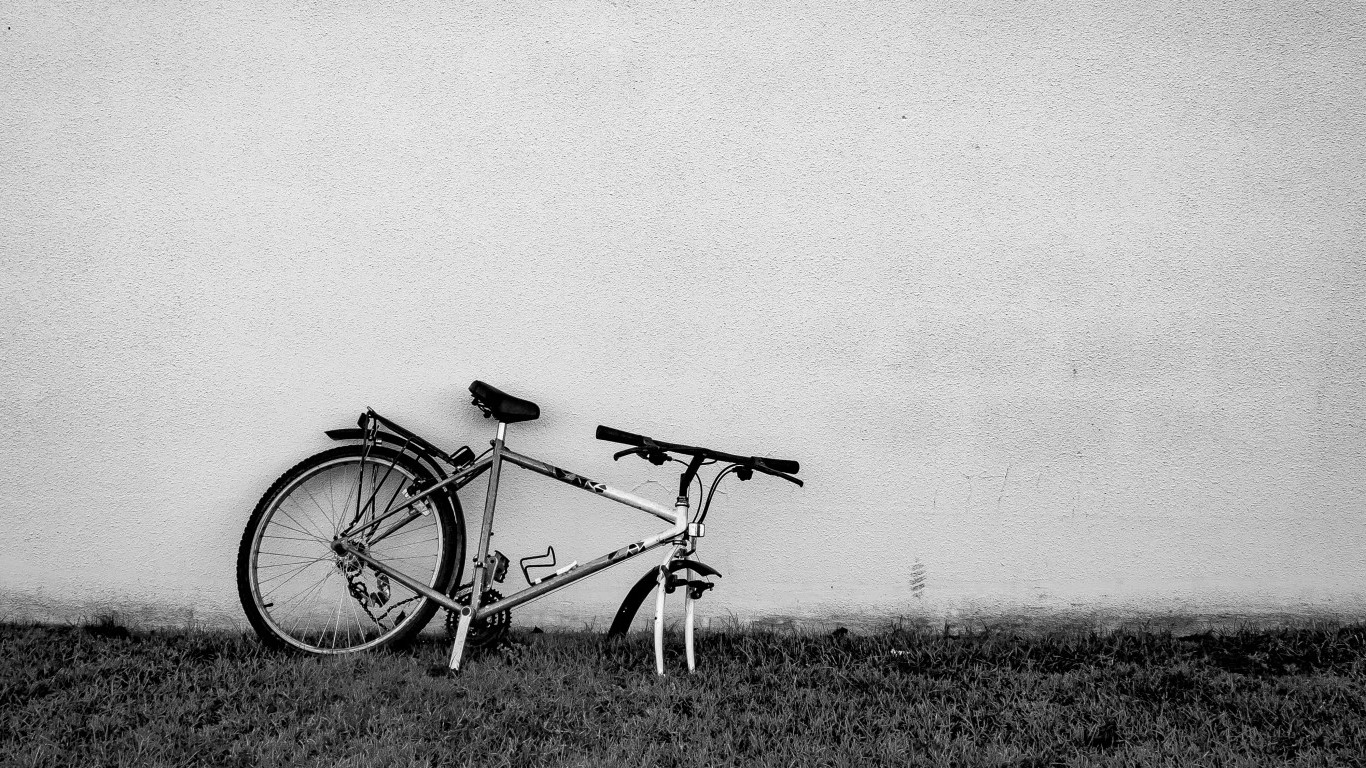
Peloton recalled 2.2 million of its bikes and warned their owners to stop using them immediately. According to The Wall Street Journal, “People should immediately stop using the affected bikes and contact Peloton for a free repair, the U.S. Consumer Product Safety Commission said.” It is unclear what this will cost Peloton financially and whether the company can afford it. What it cannot afford is another blow to its reputation. Peloton recalled Peloton Tread+ treadmills in 2021. The problems with the product contributed to the death of at least one child.
Peloton has taken several approaches to solve its sales problem, including selling its bikes at Dick’s Sporting Goods and on Amazon. It is a way for the company to compete against itself. It also has a used machine program, which competes against new product sales.
Another block to Peloton’s recovery is that its machines have several less expensive rivals. One only has to look at the stationary bike and treadmill sections of Amazon to see how long this list is.
[nativounit]
Peloton’s most recent quarterly report was nothing short of brutal. Overall sales dropped 22% year over year to $749 million. The company lost $276 million. The company lost $335 million in the prior quarter and $715 million in the same quarter of the year before.
[wallst_email_signup]
Peloton has $874 million of cash on its balance sheet and a $987 million convertible note. It also has a term loan of $691 million. Taken together, the figures are ugly. They also have helped drive the share price 44% lower in the past year.
[recirclink id=1186516]
Barry McCarthy, Peloton’s CEO and president, has a history of misplaced optimism. In the most recent letter to shareholders, he wrote, “There will be challenges and opportunities ahead, but if we continue to perform over the next twelve months like we performed over the past twelve, we will have accomplished something truly special.” The “truly special” thing will be the end of the road.







 Top Gaining Stocks
 Top Losing Stocks