


This was the headline in The New York Times recently: “Has Starbucks Surpassed Amazon as the Villain of Big Labor?” While this is a war between Starbucks Corp. (NASDAQ: SBUX | SBUX Price Prediction) labor and management, will customers participate because they favor one another? Will they boycott stores to support labor, or will they go more often because they approve of management’s position? (See which 60 Starbucks menu items to avoid.)
Talking to the Unions
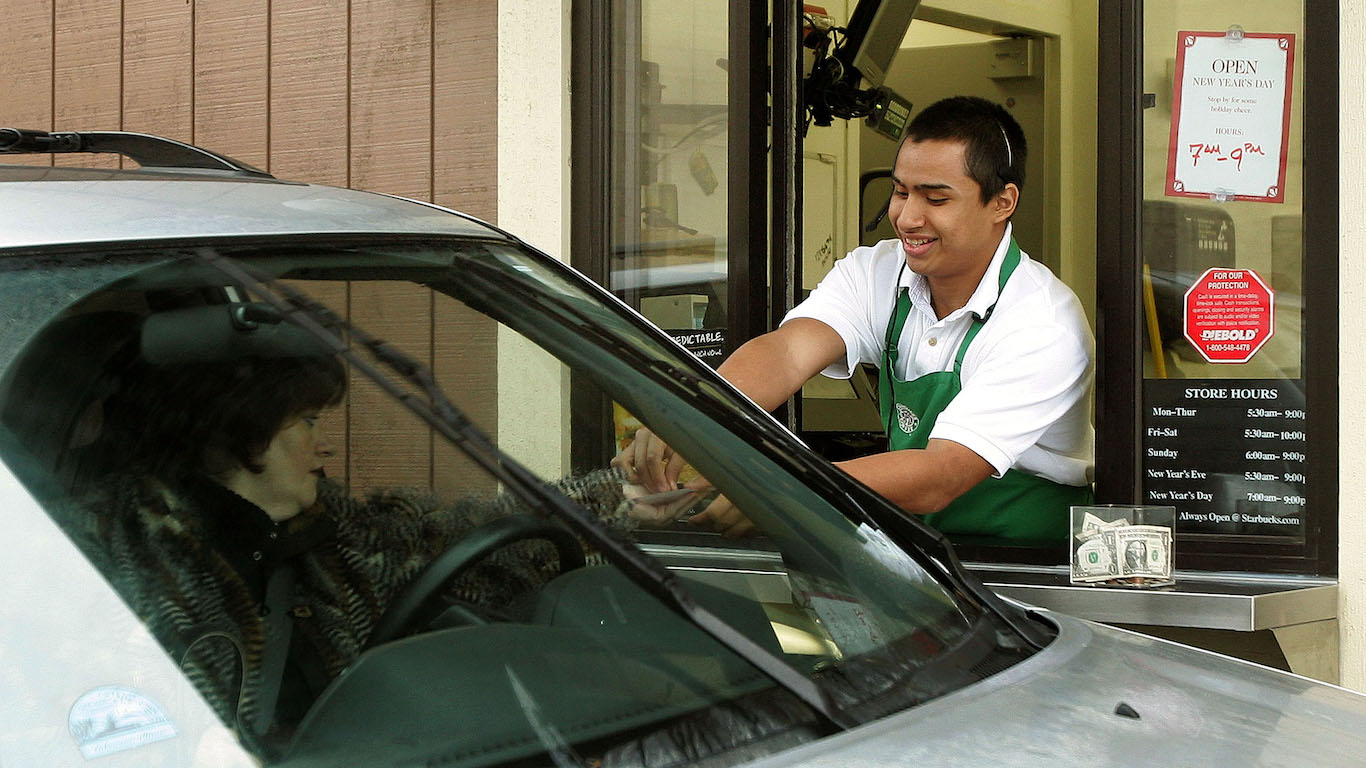
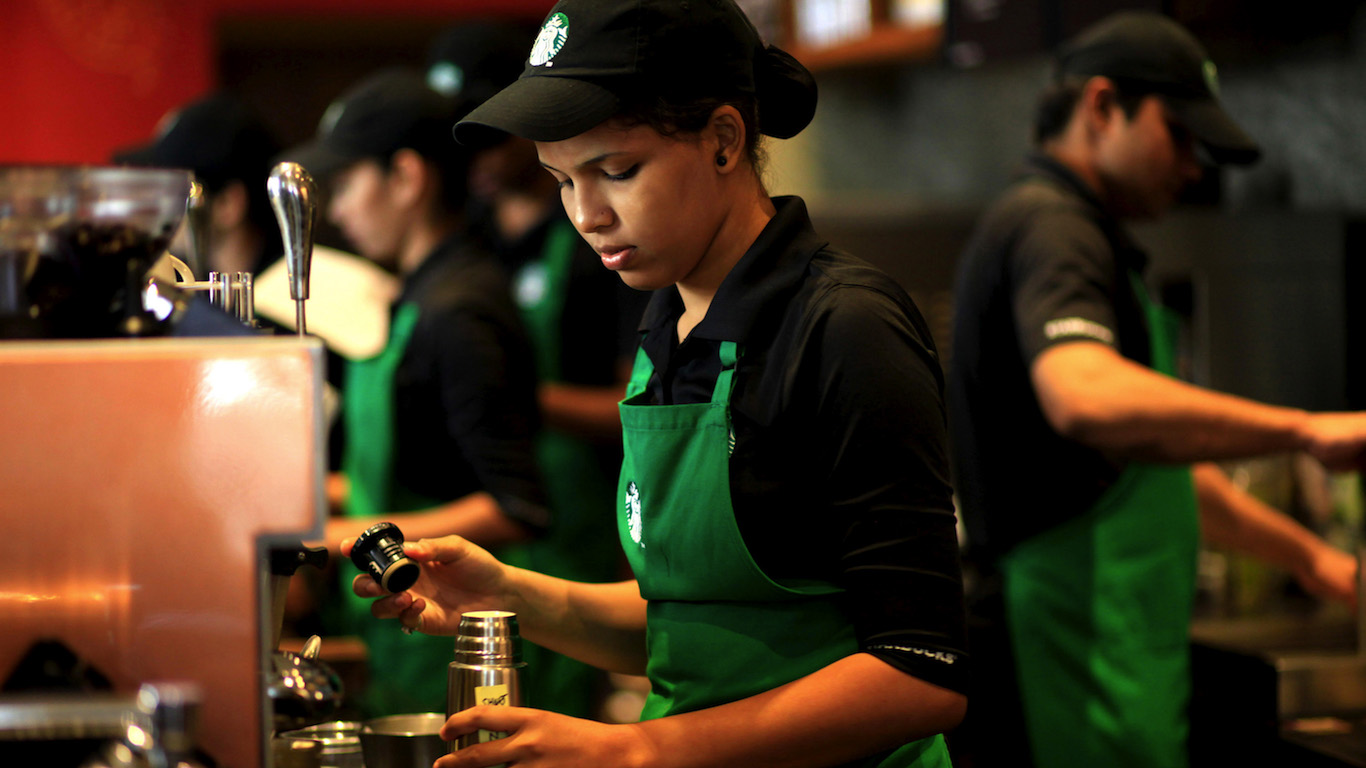
Starbucks workers
Starbucks has begun talking with some unions, but the conclusion is far from certain as with most such negotiations. “We have agreed with Workers United that we will begin discussions on a foundational framework designed to achieve collective bargaining agreements, including a fair process for organizing, and the resolution of some outstanding litigation,” the company said in a press release.
The New York Department of Consumer and Worker Protection has received 76 complaints from 56 Starbucks store employees. The National Labor Relations Board says Starbucks has closed stores to break the employee unions. By midyear last year, employees had won 16 of 17 cases brought before NLRB judges. According to Bloomberg, “The violations cited in the rulings include worker intimidation, discriminatory rules, and unlawful discipline and termination of union organizers.”
In the most visible case of the fight between worker unions and Starbucks, interim CEO Howard Schultz, who ran Starbucks off and on for years, was brought before a Senate committee last March. He said Starbucks had treated workers well. The counter from some Senators was that as unions formed at 300 stores, Starbucks fired workers who helped organize them.
Has Starbucks Done the Right Thing?

Doing the right thing
Many management experts believe that Starbucks has done the right thing. Unions can kill profit margins as the United Automobile Workers did with the Big Three automakers. Ford said the deal would cost it over $8 billion, which might undermine its ability to create new products. The UAW said its workers had been underpaid as the car companies made huge profits. The car companies said they were acting in the best interests of shareholders, which may be true. Good margins tend to attract investors. Slim margins drive investors away.
CEO pay is one of labor’s significant tools when fighting for higher wages. In its most recent fiscal year, according to an SEC filing, the median pay for Starbucks workers was $14,209, including salary and Bean Stock awards (a way for workers to get equity). Laxman Narasimhan, the chief executive, made $14,604,531. Management experts argue that CEOs of companies with hundreds of thousands of workers deserve high compensation. Their jobs are complex, and they are responsible for huge profits.
As social issues brought on by fights between management become more frequent and well-publicized, boycotts seem more visible. According to Reuters, “A quarter of Americans are boycotting a product or company they had spent money on in the past, according to a recent survey from online loan marketplace LendingTree.” Starbucks management has a choice. On the one hand, win a fight against unions over compensation and keep margins high. On the other hand, pay workers more and avoid boycotts from customers who think Starbucks employees should get better pay. Investors may prefer one path, while customers may prefer another that they think is more fair.



 Top Gaining Stocks
 Top Losing Stocks