


By the end of this year, the number of mobile-connected devices will exceed the world’s population, and by 2018 some 96% of all mobile data traffic will originate from smart devices, according to Cisco Systems Inc. (NASDAQ: CSCO)
Acquity Group, a division of Accenture PLC (NYSE: ACN), released a study last week that indicates that the ownership of wearable smart devices will double from 7% this year to 14% in 2015. By 2016 Acquity reckons that the adoption of wearable devices will have hit 28%.
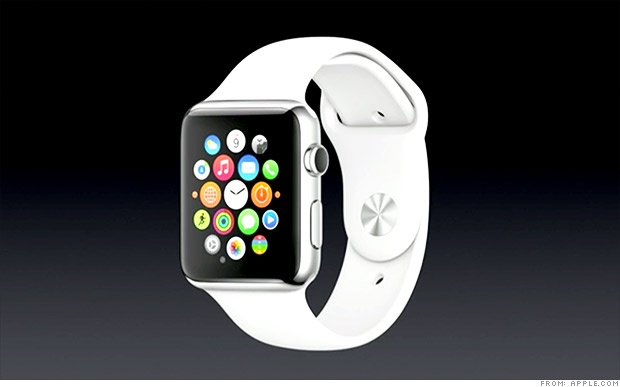
Into that growing market steps Apple Inc. (NASDAQ: AAPL) and its just-introduced Apple Watch. While fitness devices are the top-ranked wearable gadget, smart watches are second with 5% of consumers looking to acquire a smart watch in the next year and 23% looking to adopt the technology in the next five years.
According to the Acquity research, 13% of consumers are looking to purchase a wearable fitness device within a year and some 33% expect to adopt the fitness technology over the next five years. But wearable technology trails well behind the adoption rate for smart thermostats, commercial security systems and smart refrigerators.
Apple is thought to be trying to create a wearable device that would function not only as a fitness and gadget monitor but a true health monitor as well. The first version of the Apple Watch falls short, though, according to a technology analyst at IDC who told Reuters, “I was expecting there to be some true healthcare applications that would take it a step further beyond wellness.”
One reason there may not have been is that fitness monitors, like nutritional supplements, are unregulated. That makes it possible to get a fitness monitor into the market more quickly and then to follow on later with real medical applications. Another reason is that the health care industry is wary of patient privacy concerns.
Compared with health care, the Internet of Things is easy.
READ ALSO: What the Apple Watch Was Supposed to Have, but Didn’t










 Top Gaining Stocks
 Top Losing Stocks