


[cnxvideo id=”655424″ placement=”ros”]Voice-activated devices like smartphones, tablets and digital home assistants get a lot of attention and, in the case of smartphones at least, a lot of use. Overall, 76% of U.S. consumers have used spoken commands to operate a digital device, with the vast majority (69%) issuing commands to their smartphones.
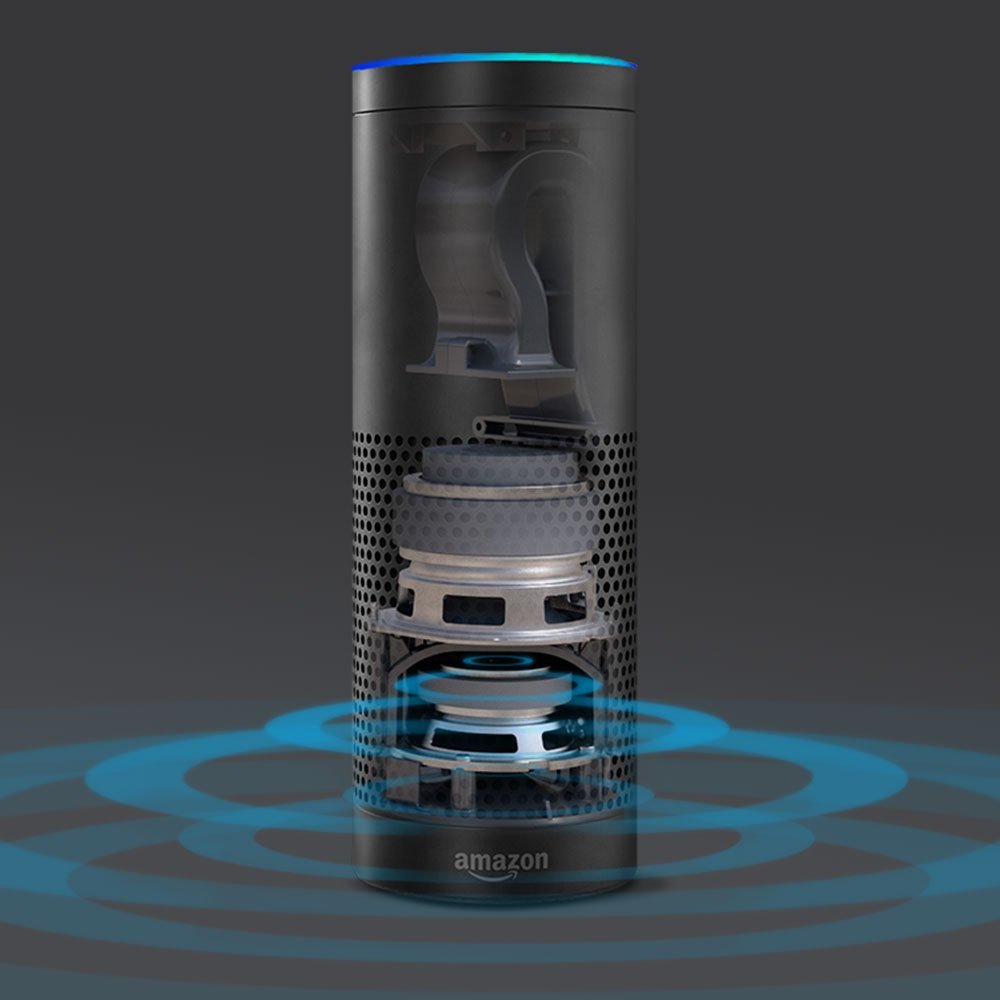
Among the leading digital home assistants, the Amazon.com Inc. (NASDAQ: AMZN) Echo and Echo Dot and the Google Home device from Alphabet Inc. (NASDAQ: GOOGL), only 11% of consumers say they own one and just 3% say they are “very likely” to buy one during the coming year.
The data were reported Wednesday morning by market and consumer information research firm GfK. The new study is based on interviews with 1,012 members of GfK’s KnowledgePanel, of which 108 were DHA owners.
[nativounit]
Nearly half (46%) of digital home assistant owners use the device regularly and nearly 20% use the device “all the time.” The most common use of the device (63% of owners) is to play streamed or downloaded music. Other uses, in descending order of mention, include:
- Asking a question
- Getting new/weather/traffic info
- Getting sports news
- Controlling lights/thermostat/fans
- Checking/revising calendars or to-do lists
- Playing videos
- Read/composing emails or texts
- Ordering products from Amazon or elsewhere
David Tice, a senior vice-president at GfK said:
The use of voice opens up new relationships between consumers, device makers, voice service providers, and advertisers that will need to be carefully navigated. With these devices integrated so closely into their lives, consumers will be especially sensitive to false steps — whether it be violating the privacy of conversations, prioritizing search results based on payments, promotion of certain shopping services above others, or enabling intrusive advertising.
Currently, only 15% turn to digital home assistants to play videos or watch TV or movies — even though nearly one-half (43%) of all U.S. homes have an internet-connected TV used to watch TV and movies. A major part of the problem, according to GfK, is a lack of seamlessness among devices.
Google Home offers built-in compatibility with the company’s Chromecast device, but the Amazon devices require a hub to connect to an internet-enabled TV. Having to follow instructions on how to insert tab A into slot B is not seamless and can be frustrating.
GfK has also created an infographic outlining the results of the study.
[wallst_email_signup]










 Top Gaining Stocks
 Top Losing Stocks