


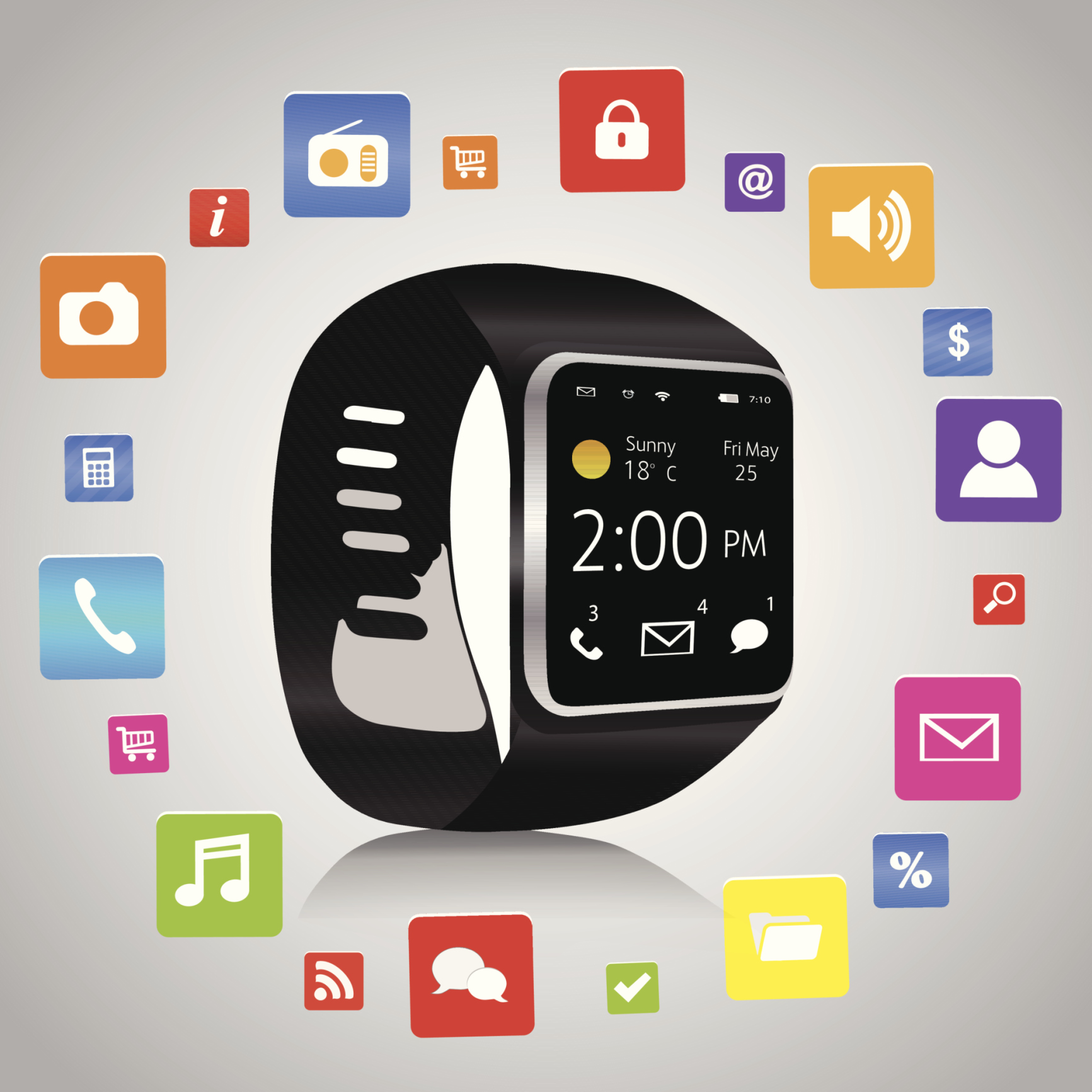
Smartwatches and wearables in general have been growing and evolving over the past few years. Overall, health and fitness is a strong start for the wearable market, but including cellular connectivity, integration with other Internet of Things (IoT) devices and systems, and how smartwatches can enable greater efficiencies, the smartwatch market is heading for steady growth in the years to come.
In fact, the International Data Corporation (IDC) has issued some forecasts for the coming years. The IDC forecast the worldwide wearables market to ship 124.9 million units by the end of 2018, up 8.2% from the prior year. Although this growth is slightly lower than the 10.3% growth experienced in 2017, the market is expected to return to double-digit growth from 2019 until 2022 as smartwatches and other form factors grow in popularity.
Beyond the typical wrist-worn devices, IDC also anticipates earwear to gain momentum as various brands start to capitalize on the growing interest in smart assistants.
[nativounit]
IDC believes that smartwatches will gain an increasing amount of market share over the course of the forecast, accounting for 44.6% of all wearables shipped by the end of 2022. Also, basic watches, which to date have been primarily comprised of sport watches, kids’ watches and hybrid watches, are forecast to see a compound annual growth rate (CAGR) of 7.4% from 2018 to 2022.
For a more detailed look check out IDC’s full forecast:

Jitesh Ubrani senior research analyst for IDC Mobile Device Trackers, commented:
The shift in consumer preferences towards smartwatches has been in full swing these past few quarters and we expect that to continue in the coming years. While Apple will undoubtedly lead in this category, what bears watching is how Google and its partners move forward. WearOS (formerly Android Wear) has been somewhat of a laggard recently and despite expected changes to the OS and the release of new silicon, we anticipate Android-based watches to be WearOS’ closest competitor due to the high amount of customization available to vendors and the lack of Google services in China.
[recirclink id=469109]
[wallst_email_signup]







 Top Gaining Stocks
 Top Losing Stocks