


Fitness tracker maker Fitbit Inc. (NYSE: FIT) introduced its latest Charge 3 tracker Monday morning and the stock got a boost of nearly 5% to around $6 on the announcement. The company is going to need that kind of improvement every day for the next several months to get back even with the $32.50 closing price on its IPO date in June 2015. It’s even further behind its all-time high of nearly $48 a share.
What took the bloom off the rose? The short answer is Apple Watch. The longer answer includes a number of missteps and misjudgements by CEO James Park, who nabbed a spot on our list of 2017’s 20 worst CEOs.
Apple Inc. (NASDAQ: AAPL) lifted its share of the wearables market from 10.8% in 2016 to 15.3% while former top dog Fitbit saw its share dip from 21.5% to 13.3%, according to research firm IDC. The wearables category includes smartwatches, wristbands (like Fitbit’s Charge) and basic watches.
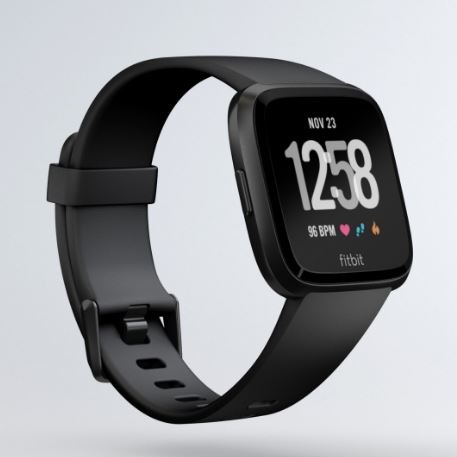
The wearable devices most in demand from consumers are — wait for it — smartwatches. Fitbit offers two smartwatches, the Versa and the Ionic. When Park introduced the Versa in March, he said, “Our aim is to become a front end to the consumer healthcare system.” A new Charge 3 fitness tracker does not fit into that plan in any but a tangential way.
[nativounit]
When Fitbit reported quarterly results earlier this month the company noted that smartwatch revenue accounted for 55% of quarterly revenue, up from 30%. In a June report from IDC, the research firm noted that Apple will take about half (20.2 million) of an estimated 43.5 million smartwatch shipments in 2018. Smartwatches will trail wristbands in market share, 34.8% to 36.1% in 2018, but by 2022 smartwatches will claim a market share of 44.6% (89.1 million units) compared to a 23% share for wristbands (45.9 million units).
The compound annual growth rate (CAGR) for smartwatches in the period 2018 to 2022 is 19.6%, while wristband shipments are forecast to grow at a CAGR of 0.4%. Here’s what IDC had to say about wristbands:
The market for wristbands is expected to decline 6.6% in 2018 as demand for these simple devices has cooled off and incumbents like Fitbit and Garmin continue to pursue smartwatch growth instead. … Meanwhile, average selling prices (ASPs) [for wristbands] are expected to drop below $50 by 2022.
Yes, Fitbit did toss its hat into the smartwatch arena, but the timing was wrong and continuing to develop new wristbands is not going to end the company’s slump. At best, new fitness trackers will distract investors from the company’s difficulties in the market for smartwatches and in the CEO’s plan to be a “front end to the consumer healthcare system.”
By the way, Apple’s share of the total wearables market is forecast to decline to 17.3% by 2022. Android WearOS smartwatches are expected to increase wearables market share from 4.3% this year to 9.8% in 2022, a CAGR of 38%. Android-based watches are expected to post a 6.4% share this year, rising to 8.7% in 2022, a CAGR of 21.3%. Fitbit is lumped together with the “other” smartwatch makers expected to see their share of the wearables market rise from 7.8% this year to 8.8% in 2022, a CAGR of 15.7%.
If CEO Park has a plan to stave off disaster, now’s the time to put that plan into motion.
In the early afternoon Monday, Fitbit shares traded up less than 4%, at $5.90 in a 52-week range of $4.51 to $7.79. The stock’s consensus price target is $6.35.
[recirclink id=487184]
[wallst_email_signup]








 Top Gaining Stocks
 Top Losing Stocks