5 Billion Smartphones to Become Trash

Photo of Douglas A. McIntyre
By Douglas A. McIntyre Published
This post may contain links from our sponsors and affiliates, and Flywheel Publishing may receive compensation for actions taken through them.
5 Billion Smartphones to Become Trash

© ArminStautBerlin / iStock via Getty Images

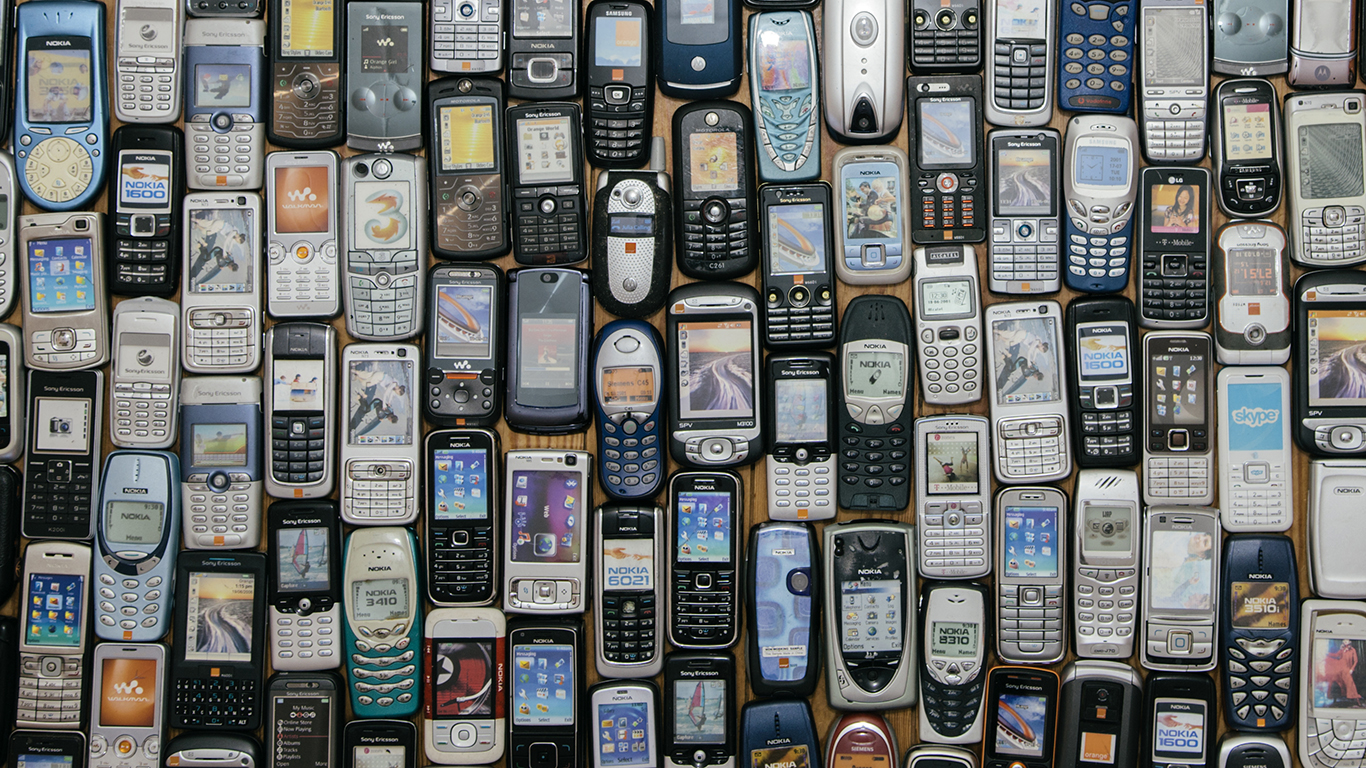
No one knows how many cell phones or smartphones there are worldwide. If everyone in China had one, that would be 1.3 billion. The figure in the United States on the same basis could add another 335 million. Many of these are new. Apple expects to sell tens of millions of the new iPhone 14 models this year. As these new products come online, a study says that 5.3 billion mobile devices will be junked in 2022.

The information on the phones that will not be usable comes from the WEEE (Waste Electrical and Electronic Equipment) Forum. The forum’s primary concern is where all these phones will end up. It made the point that if they were stacked on top of each other, they could make a pile 50,000 km high.

The WEEE also points out it is a shame people will not be more careful about the future of their newly useless devices. “And, despite their valuable gold, copper, silver, palladium and other recyclable components, experts expect a majority will disappear into drawers, closets, cupboards or garages, or be tossed into waste bins bound for landfills or incineration.”

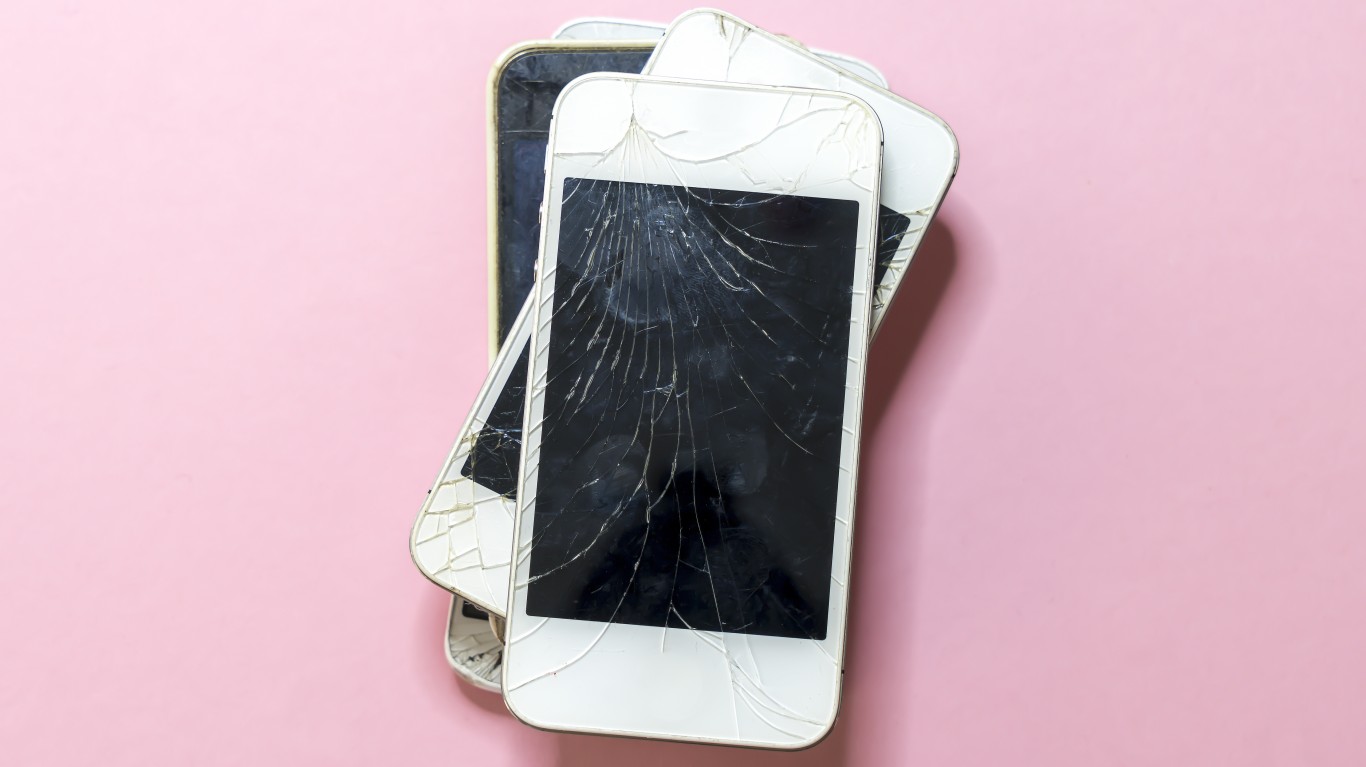
The research does not comment specifically on what makes a phone useless. Some people keep and use their phones for years. Other consumers want only the newest smartphone, which is why Apple is doing so well. Old iPhones have accounted for hundreds of millions of phones thrown away.
[nativounit]
Another reason phones lose their usefulness is that manufacturers stop supporting older phones at some point. Apple stopped upgrading the iPhone 8 this year. It is about five years old.
[wallst_email_signup]
Individual smartphone models also become useless when they operate only on obsolete wireless networks. 3G networks will no longer be available in the United States this year. They were replaced by 4G networks years ago. 5G became widely available in the past year. Virtually every new smartphone sold in the United States, and many other developed countries, runs on ultrafast 5G networks.
[recirclink id=1172911]
The world already has a problem with where all its trash should go. The global inventory of old smartphones has made that worse.


Photo of Douglas A. McIntyre
About the Author Douglas A. McIntyre →

Douglas A. McIntyre is the co-founder, chief executive officer and editor in chief of 24/7 Wall St. and 24/7 Tempo. He has held these jobs since 2006.

McIntyre has written thousands of articles for 24/7 Wall St. He is an expert on corporate finance, the automotive industry, media companies and international finance. He has edited articles on national demographics, sports, personal income and travel.

His work has been quoted or mentioned in The New York Times, The Wall Street Journal, Los Angeles Times, The Washington Post, NBC News, Time, The New Yorker, HuffPost USA Today, Business Insider, Yahoo, AOL, MarketWatch, The Atlantic, Bloomberg, New York Post, Chicago Tribune, Forbes, The Guardian and many other major publications. McIntyre has been a guest on CNBC, the BBC and television and radio stations across the country.

A magna cum laude graduate of Harvard College, McIntyre also was president of The Harvard Advocate. Founded in 1866, the Advocate is the oldest college publication in the United States.

TheStreet.com, Comps.com and Edgar Online are some of the public companies for which McIntyre served on the board of directors. He was a Vicinity Corporation board member when the company was sold to Microsoft in 2002. He served on the audit committees of some of these companies.

McIntyre has been the CEO of FutureSource, a provider of trading terminals and news to commodities and futures traders. He was president of Switchboard, the online phone directory company. He served as chairman and CEO of On2 Technologies, the video compression company that provided video compression software for Adobe’s Flash. Google bought On2 in 2009.

Featured Reads

Our top personal finance-related articles today. Your wallet will thank you later.

Continue Reading

Top Gaining Stocks

CBOE Vol: 1,568,143
PSKY Vol: 12,285,993
STX Vol: 7,378,346
ORCL Vol: 26,317,675
DDOG Vol: 6,247,779

Top Losing Stocks

LKQ
LKQ Vol: 4,367,433
CLX Vol: 13,260,523
SYK Vol: 4,519,455
MHK Vol: 1,859,865
AMGN Vol: 3,818,618