


In the 1930s and 1940s, soldiers began returning from war with few job opportunities and quite a lot of trauma. To cope with their experiences, and to form bonds with others who understood what they were going to, many motorcycle groups emerged. An overview of motorcycle clubs developed by the U.S. Department of Justice explains that in 1947, “thousands of motorcycling enthusiasts attended a run in Riverside, California, which ended in rioting and destruction and two deaths.” One year later, “the community of Riverside was, again, inundated by motorcyclists who turned a simple event into a riot.” The Riverside police chief deemed these people as “outlaws,” kickstarting the term outlaw motorcycle club. Outlaw clubs today may also be called one-percenter clubs. This references the idea put forward by the American Motorcyclists Association in the 1960s that 99% of motorcyclers are law-abiding citizens, and just one percent are involved in criminal activity.
Today, thousands of outlaw motorcycle clubs — and plenty of law-abiding clubs as well — exist across the globe. Some of the most well-known clubs even require permanent members to have experience in criminal activity. You definitely don’t want to cross these clubs — whether you’re a regular civilian, curious observer, or a rider yourself. 24/7 Wall St. set out to identify the most well-known motorcycle gangs and the regions where you might encounter them. To do so, we used sources such as One Percenter Bikers and the U.S. Department of Justice. We listed the motorcycle games in our perceived order of most well-known to least well-known.
Why We’re Covering This
Motorcycle gangs move serious money through the American economy. These gangs are often engaged in organized crime, such as illegal drug production and firearms trafficking. Their operations touch multiple industries and cross state lines. As you might expect, this can severely harm our economy. It makes it more difficult for the government to collect taxes, may heighten tax rates, and also can harm businesses in areas where these gangs operate. As a financial site, we cover everything related to the economy, including motorcycle gangs.
These are some of the most well-known motorcycle gangs operating in America:
1. Hells Angels Motorcycle Club
The Hells Angels are perhaps the most infamous motorcycle gang globally, with chapters in the U.S. and beyond. They’ve been designated as a criminal syndicate in several companies, as they do lots of illicit activity. Known for their red and white colors, they originated in California in 1948. Today, the Hells Angels have an estimate 800+ members and are considered heavily involved in the drug trade.
2. The Bandidos Motorcycle Club
The Bandidos, founded in Texas, is one of the largest one-percenter motorcycle clubs in the world. Their motto, “We are the people our parents warned us about,” reflects their rebellious image. They’re also known for illicit activity, as you might imagine! Bandido Nation, as the club is also known as, is classified as an international crime syndicate. The Bandidos have been involved in crimes including arms trafficking, murder, prostitution, extortion, and money laundering.
3. Mongols Motorcycle Club
The Mongols were founded in Southern California in the late 1960s. Now, they’re rivals of the Hells Angels. They are known for their black and white insignia featuring a Mongolian warrior. You might hear people refer to the Mongols as Mongol Nation or the Mongol Brotherhood. From stealing motorcycles to assault and drug-running, the Mongols have their hands deep into the criminal underworld.
4. Outlaws Motorcycle Club
The Outlaws, established in Illinois, predate the Hells Angels and are recognized by their skull and crossed pistons emblem. They currently have a strong presence in the Midwest, but they may be found beyond, too. They are considered to be the oldest outlaw motorcycle club in the world, first having been formed in the 1930s. The Outlaws have been designated as an international crime syndicate by numerous government agencies.
5. Sons of Silence Motorcycle Club
The Sons of Silence is known for their patch-over process, which involves absorbing smaller clubs into their ranks. Thanks to this process, they have been able to grow in the Midwest. However, they operate primarily in Colorado. An outlaw club, the Sons of Silence still mainains that they operate on a sense of loyalty, freedom, brotherhood, and service.
6. Pagans Motorcycle Club
The Pagans originated in Maryland in 1957 and are prominent on the East Coast. Their insignia, the Norse fire god Surtr, and blue and white colors are easily recognizable. This outlaw motorcycle club has a well-known and long running feud with the Hells Angels. They have also been implicated in crimes such as assault and drug running.
7. Vagos Motorcycle Club
The Vagos, a one-percenter outlaw club first formed in 1964, are also known as the “Green Nation.” They have a strong presence in the Southwest and are known for their illicit activities. More specifically, this club has been linked to the drug trade in methamphetamines and marijuana.
8. Highwaymen Motorcycle Club
This Detroit-based club, founded in the 1950s, has chapters across the Midwest. Known for their black and silver patches, they are one of Michigan’s most prominent clubs. With over 400 members, this one-percenter outlaw club is not known for following the rules. They have even undergone investigations by the FBI.
9. Warlocks Motorcycle Club
There are two notable Warlocks clubs: one founded in Pennsylvania and another in Florida. They are technically separate, with different distinct insignias. Both have a strong regional focus and aren’t considered international clubs. Despite their differences, both clubs are considered outlaw clubs.
10. Black Pistons Motorcycle Club
The Black Pistons, an international outlaw motorcycle club, serve as a support club for the Outlaws. They help with recruitment and logistics, making them a crucial part of the Outlaws’ network. In the past, this club has been known to participate in a wide variety of crime. Assault? Extortion? Theft? That’s right, this club has done it all.
11. Iron Order Motorcycle Club
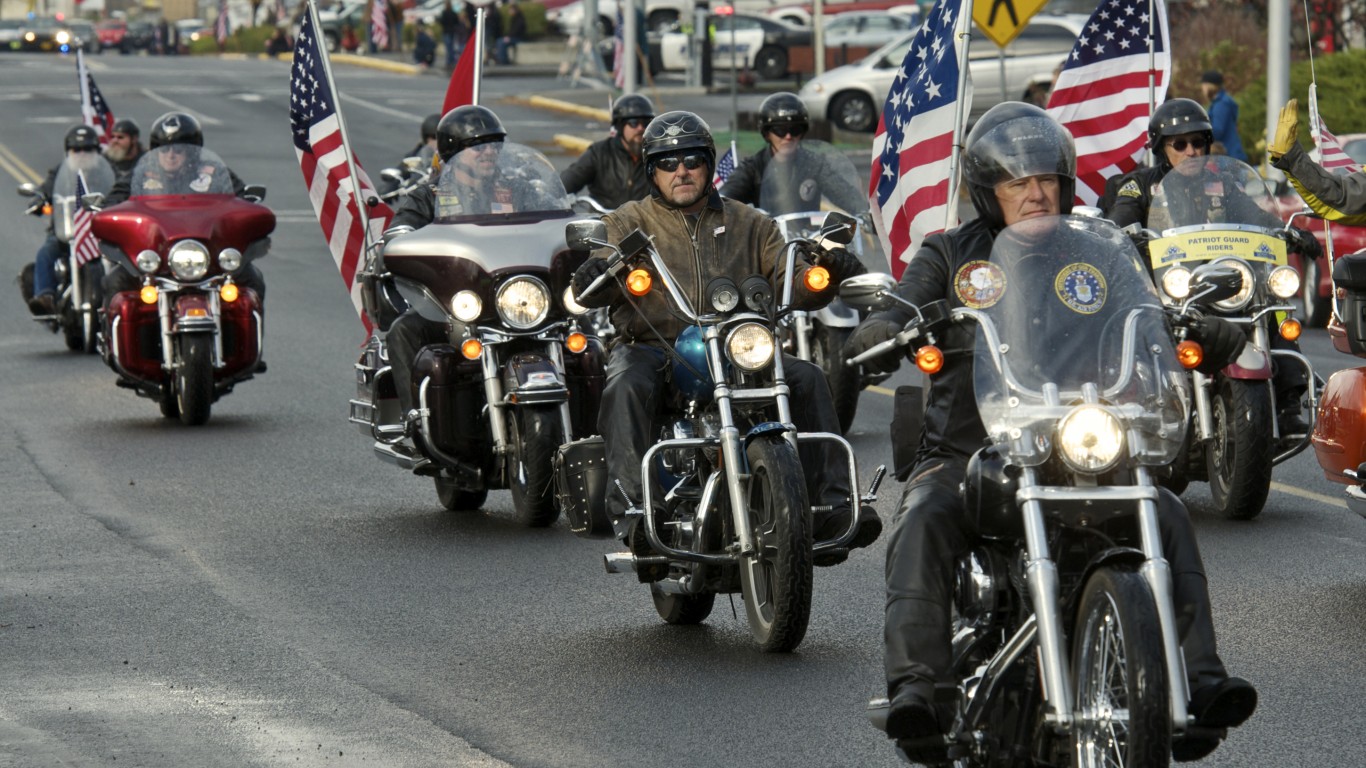
The Iron Order is a bit different from other motorcycle clubs, as they’re affiliated with law enforcement. They have a controversial reputation, as many motorcycle gangs are still associated with crime. The club has been operating for just over two decades and now sees membership worldwide.
12. Gypsy Jokers Motorcycle Club

Based in Oregon and the Pacific Northwest, the Gypsy Jokers are a one-percenter motorcycle club known for their colorful patches and turbulent history with rival clubs. They don’t engage as heavily in illicit activities as other gangs, but they do have some intense rivalries. However, the Gypsy Jokers have also been known to enact violence against estranged club members; in 2022, two members of the Gypsy Jokers were sentenced to life in federal prison after kidnapping, torturing, and murdering an ex-club member.
13. The Devils Diciples Motorcycle Club
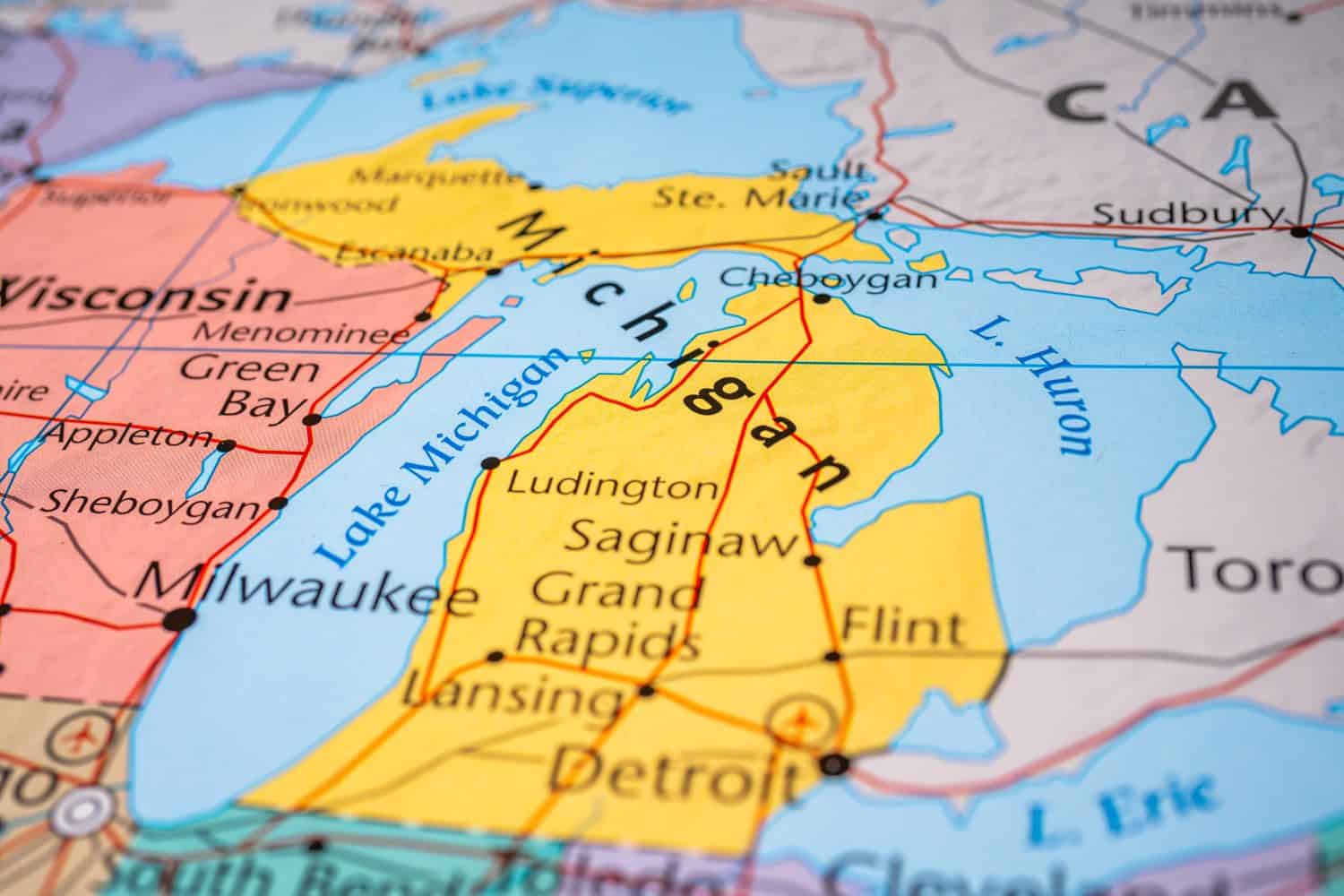
This outlaw motorcycle club has been operating for nearly fifty years — and its members have been testing law enforcement ever since. While first founded in California, the club has since expanded, with chapters in Alabama, Arizona, California, Idaho, Illinois, Indiana, Michigan, Mississippi, Missouri, Nevada, and Ohio. This controversial club has been implicated in crimes like firearm and drug trafficking, as well as racketeering.
14. Free Souls Motorcycle Club
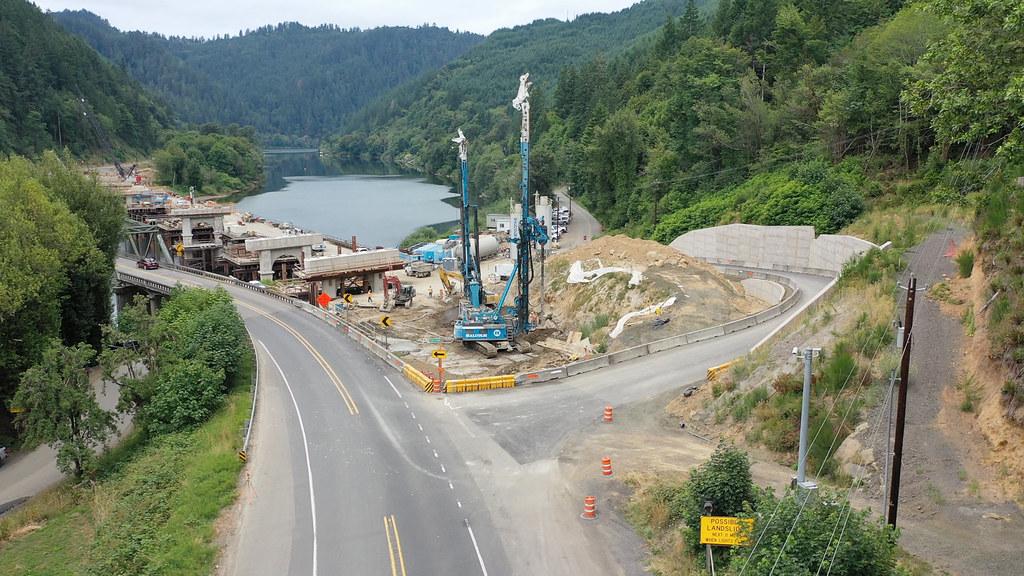
Founded in 1969, the Free Souls Motorcycle Club is independent. It operates primarily in Oregon and is one of the few motorcycle gangs not affiliated with larger outlaw groups. They’re largely independently run and not known for as many illicit activities as other gangs. The club’s colors are blue and white.
15. Brother Speed Motorcycle Club
Founded in Idaho, Brother Speed is an American outlaw motorcycle club that has expanded across the Pacific Northwest into areas like Oregon and Washington. Their black and gold colors are a familiar sight at motorcycle events in the region. They aren’t necessarily the most widely known motorcycle club, but they’re becoming more popular. As it stands now, the club has an estimated 300 members.
16. Red Devils Motorcycle Club
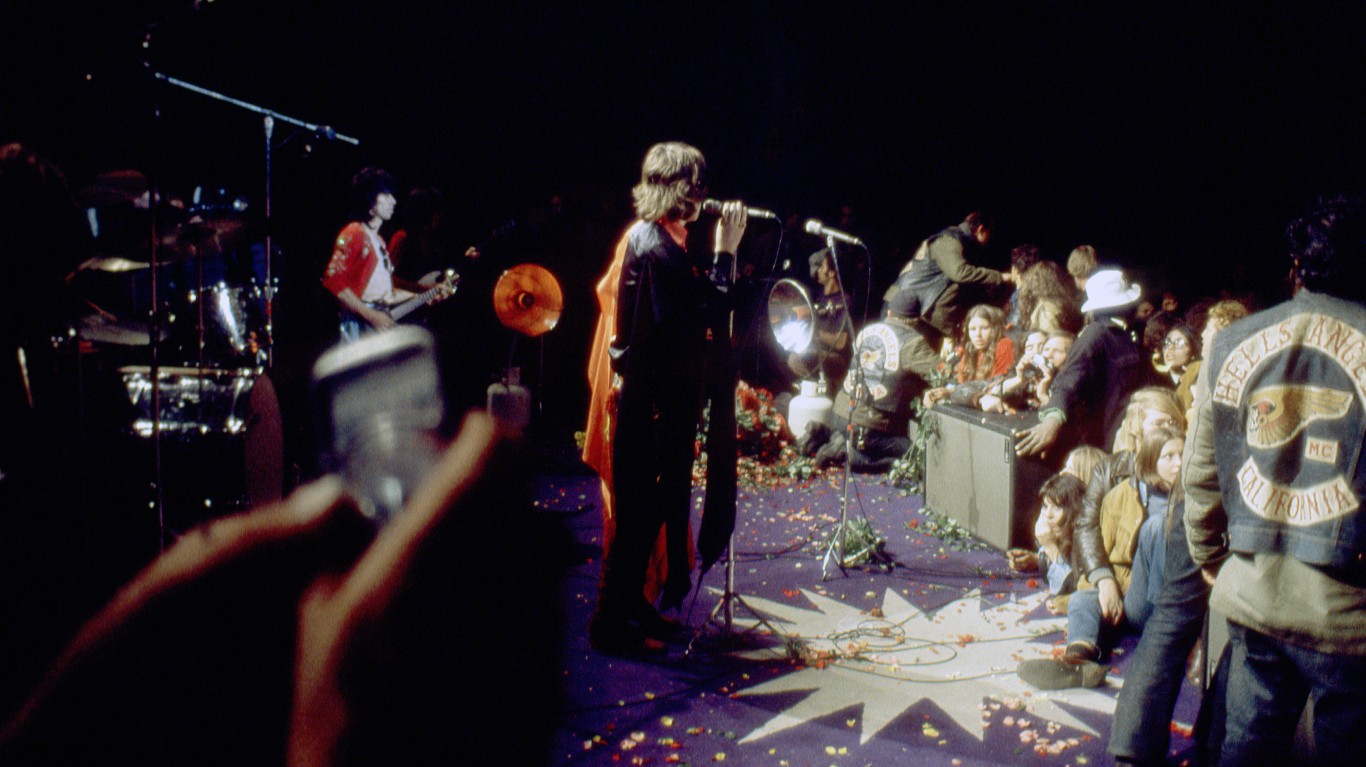
As an official support club for the Hells Angels, the Red Devils operate worldwide, often acting as a recruitment pool for the larger club. They’re considered “less intense” than the Devil’s Angels and often feed the larger club members. Still, this one-percenter outlaw group has been implicated in charges of racketeering.
17. Cossacks Motorcycle Club
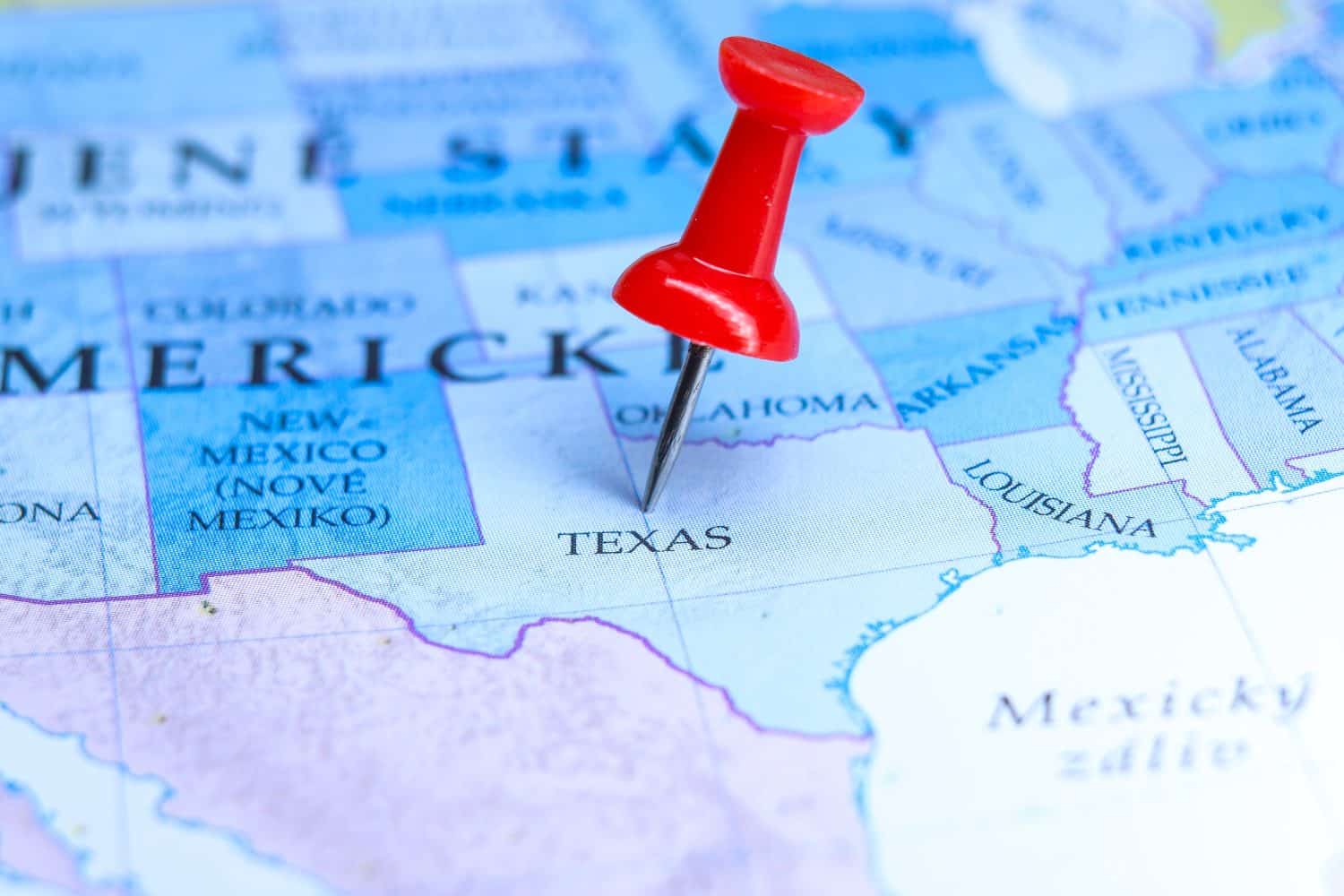
Founded in 1969, the Cossacks Motorcycle Club is an outlaw motorcycle club — and one of the biggest known motorcycle clubs in Texas, where the club is headquarted. Allied with the Cossacks are support groups such as the Sabres Motorcycle Club, Dirty Knuckles Motorcycle Club, and Scimitars Motorcycle Club. But the Cossacks also have significant high-profile disputes with other groups — specifically, the Bandidos. Sometimes, these turn violent, which has earned them a reputation. In 2015, a shootout between the two groups left multiple people dead.
18. Street Life Motorcycle Club
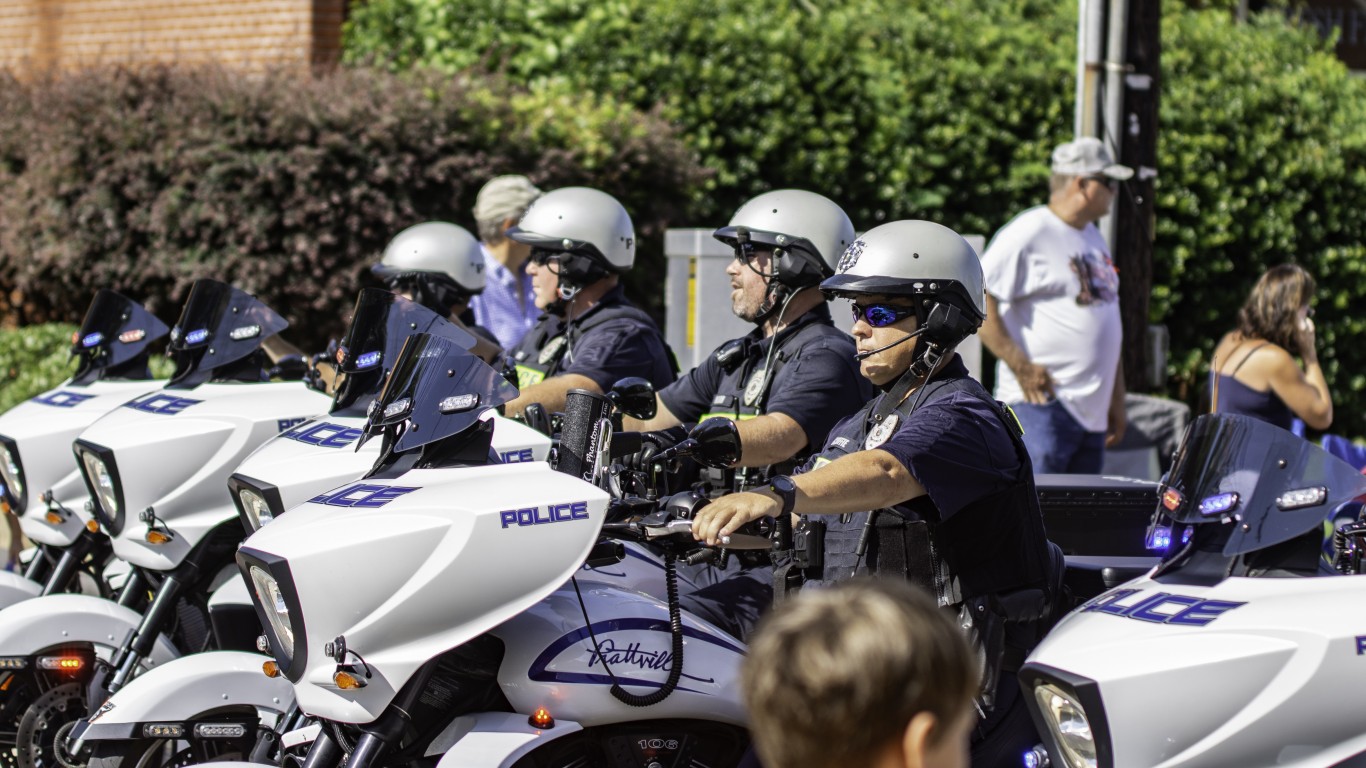
This community-focused club is less about outlaw activity and more about brotherhood and charity, showing the diverse spectrum of motorcycle groups in America. They’re not involved in illicit activities and are considered one of the “good guys” in the motorcycle world.
19. Sin City Disciples Motorcycle Club
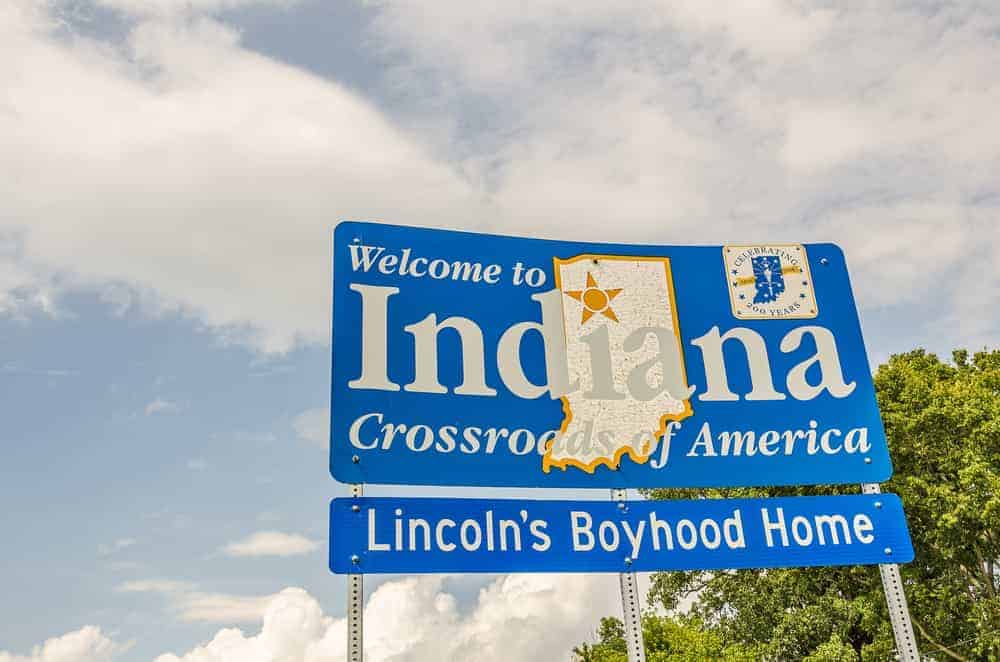
Also known as Sin City Nation, this predominantly African-American club has chapters across the country. Known for their black and red colors, they emphasize respect and loyalty. Originally formed in Gary, Indiana in 1967, Sin City Nation Disciples Motorcycle Club is known for being a one-percenter (or outlaw) club. The club’s founder was recently sentenced to 360 months in prison.
20. Rare Breed Motorcycle Club
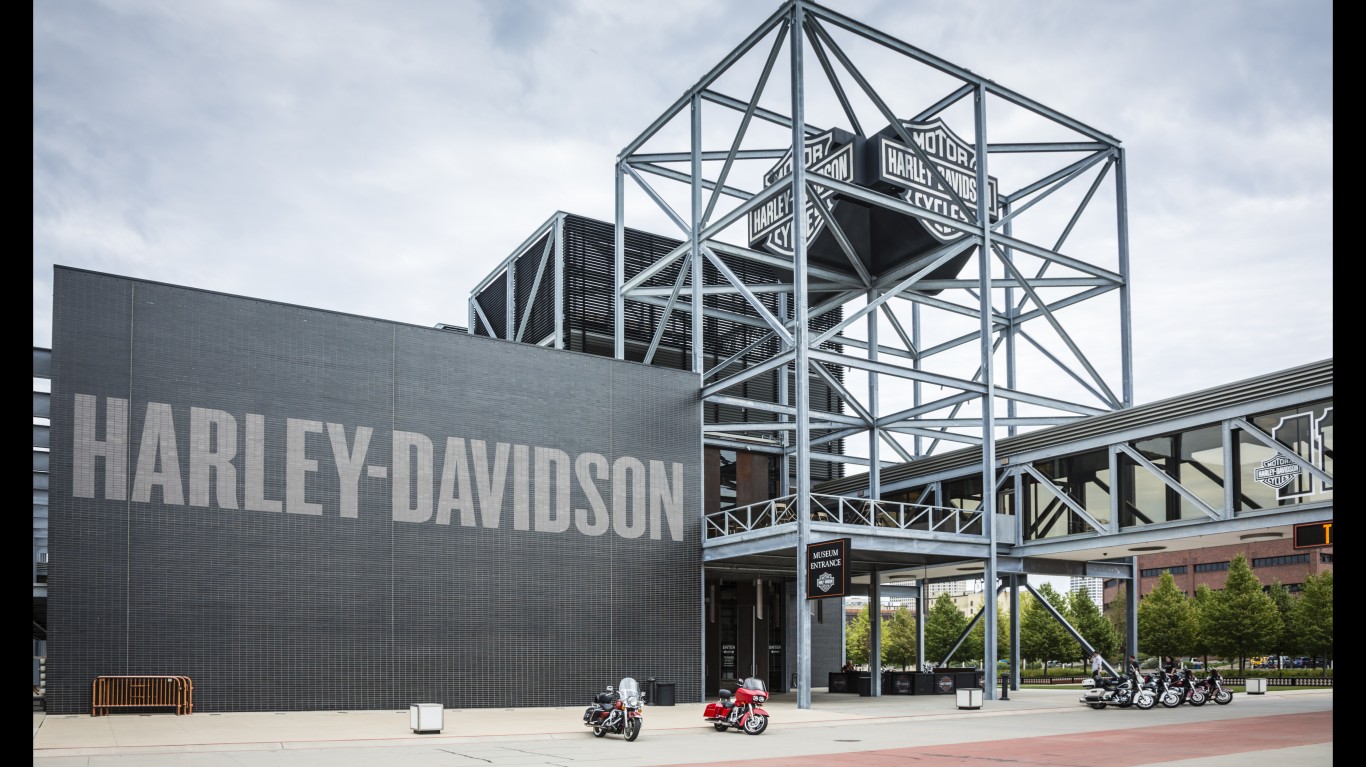
Rare Breed Motorcycle Club focuses specifically on Harley-Davidson riders, particularly within the African-American community. The club was first established in 1989 and even has chapters all over the world at this point. They’re known for their positive contributions to local communities, and are not considered an “outlaw” club.








 Top Gaining Stocks
 Top Losing Stocks