



California, with its enormous urban population and complex socioeconomics, has become home to some of the most infamous and influential criminal gangs in the United States. Names like the Crips, Bloods, Sureños, and MS-13 have crept into the public mind from the media and movies, often with more mythology than fact. In 2025, many of these gangs still pose serious challenges—but not always in the ways we’re led to believe. This article takes a clear-eyed look at the most powerful gangs in the state and whether the public should be as worried as headlines suggest.
What Fuels Gang Activity in California?
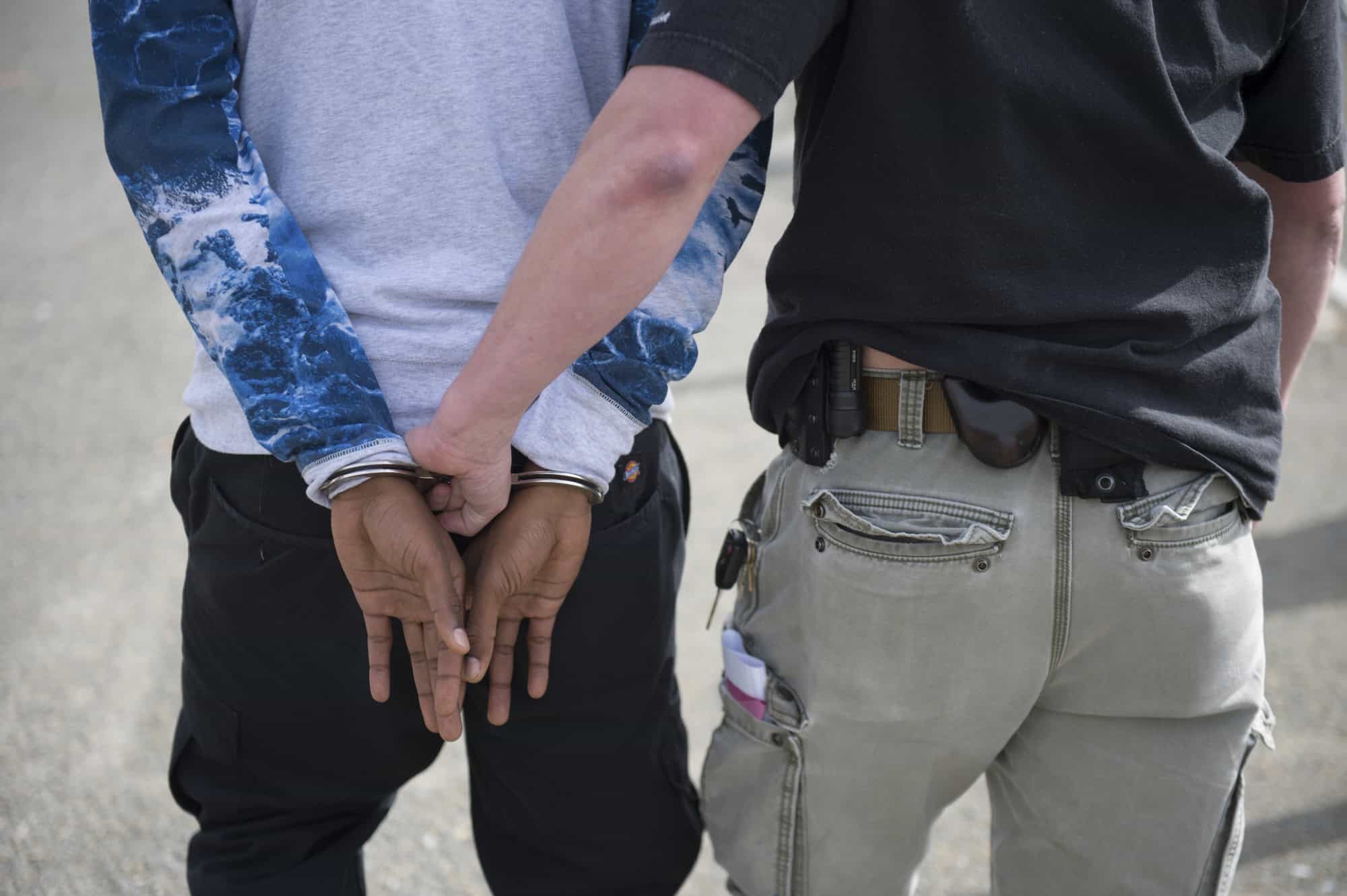
Back stories of criminals don’t absolve them of responsibility, but they do help us understand the situations that give rise to gang activity.
Gangs don’t thrive in a vacuum. Behind every street war or drug bust is a deeper set of conditions: broken homes, struggling schools, economic instability, and generational trauma. In neighborhoods where resources are scarce, gangs often offer a twisted sense of security, status, or belonging. For some, it’s the only path they see toward money or survival.
The drug trade continues to be one of the biggest incentives. Heroin, meth, and fentanyl flow through gang pipelines, generating massive profits. Add in overcrowding, poor infrastructure, and limited access to mental health care, and the result is fertile ground for recruitment. And while today’s gangs use social media and encrypted apps to coordinate operations, old-school territorial feuds haven’t gone away—they still lead to brutal violence and tragic, unintended consequences.
1. The Mexican Mafia (La Eme)
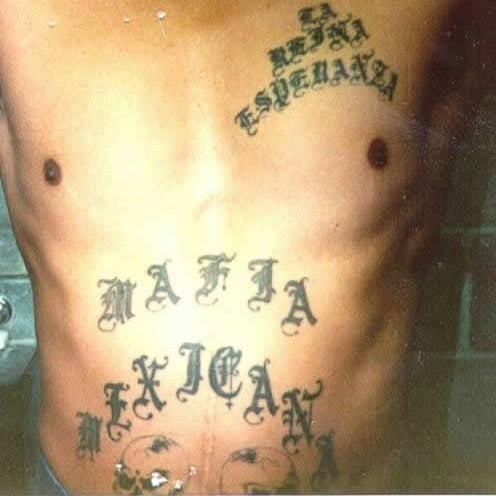
A gang member displays his Mexican Mafia tattoos.
One of California’s most powerful and secretive criminal organizations, the Mexican Mafia—known as La Eme—originated in the 1950s at Deuel Vocational Institution. Unlike most street gangs, La Eme operates primarily from inside prison walls. But its influence stretches far beyond, orchestrating extortion and drug trafficking operations across Southern California. Dozens of Latino street gangs—grouped under the Sureño umbrella—pay tribute to La Eme. Their control is maintained through fear and violence, including a “green light” list that marks enemies for death. Law enforcement crackdowns have targeted top members, but the gang’s deep-rooted prison presence makes it hard to dismantle entirely.
2. The Sureños
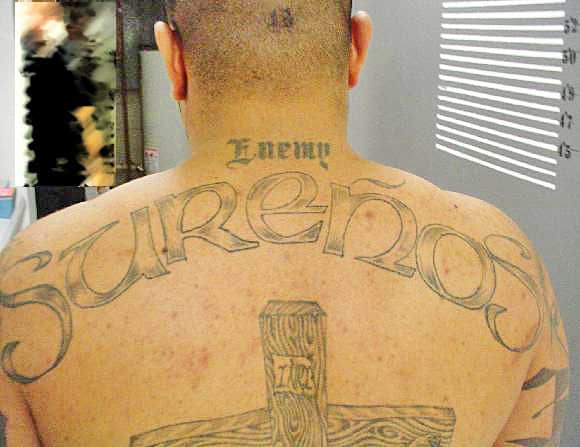
A Sureños member displays his gang tattoo along with religious symbolism.
The Sureños (or “Southerners”) aren’t a single gang but a coalition of hundreds of Latino street crews loyal to the Mexican Mafia. Based mainly in Southern California, they are locked in ongoing conflict with their northern counterparts, the Norteños. Sureños are involved in drug distribution, armed robbery, and assaults. Their loyalty is marked through colors, tattoos, and coded graffiti—but over time, their operations have grown more digital and decentralized. While their core feuds remain, today’s Sureños are just as likely to traffic fentanyl through social media as they are to clash with rivals in alleys or street corners.
3. The Norteños
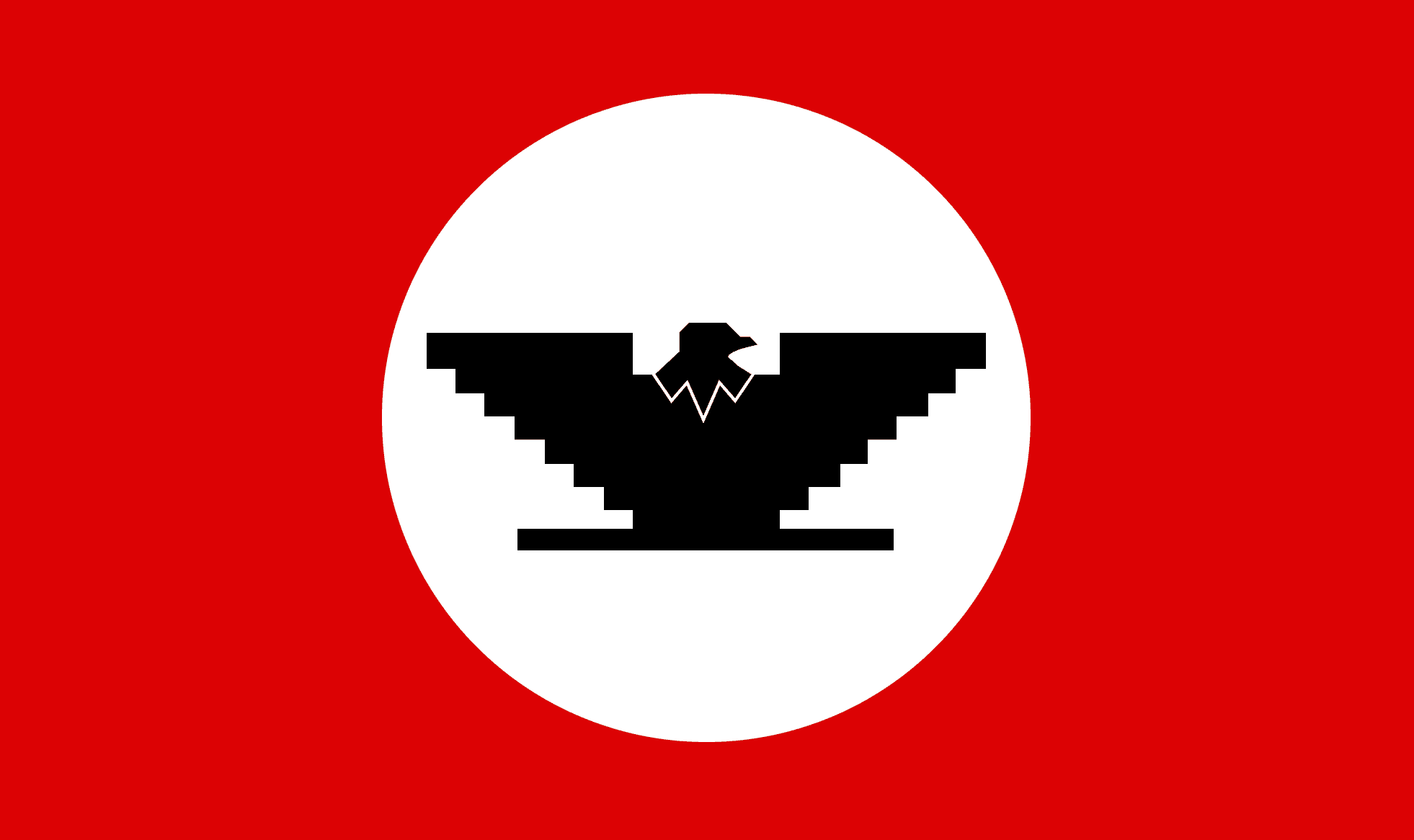
This is the logo of the United Farm Workers. The Norteños have taken it as one of their symbols, removing the white disk to leave a black Aztec eagle on a red field.
The Norteños (“Northerners”) formed in opposition to La Eme’s dominance of the southern prison system. Backed by the Nuestra Familia prison gang, the Norteños now dominate Central and Northern California, especially in agricultural towns and working-class neighborhoods. The line of control runs across the southern part of the Central Valley. They’re involved in a wide range of crimes: narcotics, weapons, identity theft, and human trafficking. Their influence has even spread beyond state lines, reaching the Pacific Northwest and Midwest, driven by migration and family networks. Their primary enemies remain the Sureños, with conflicts occasionally flaring into full-scale violence.
4. MS-13 (Mara Salvatrucha)
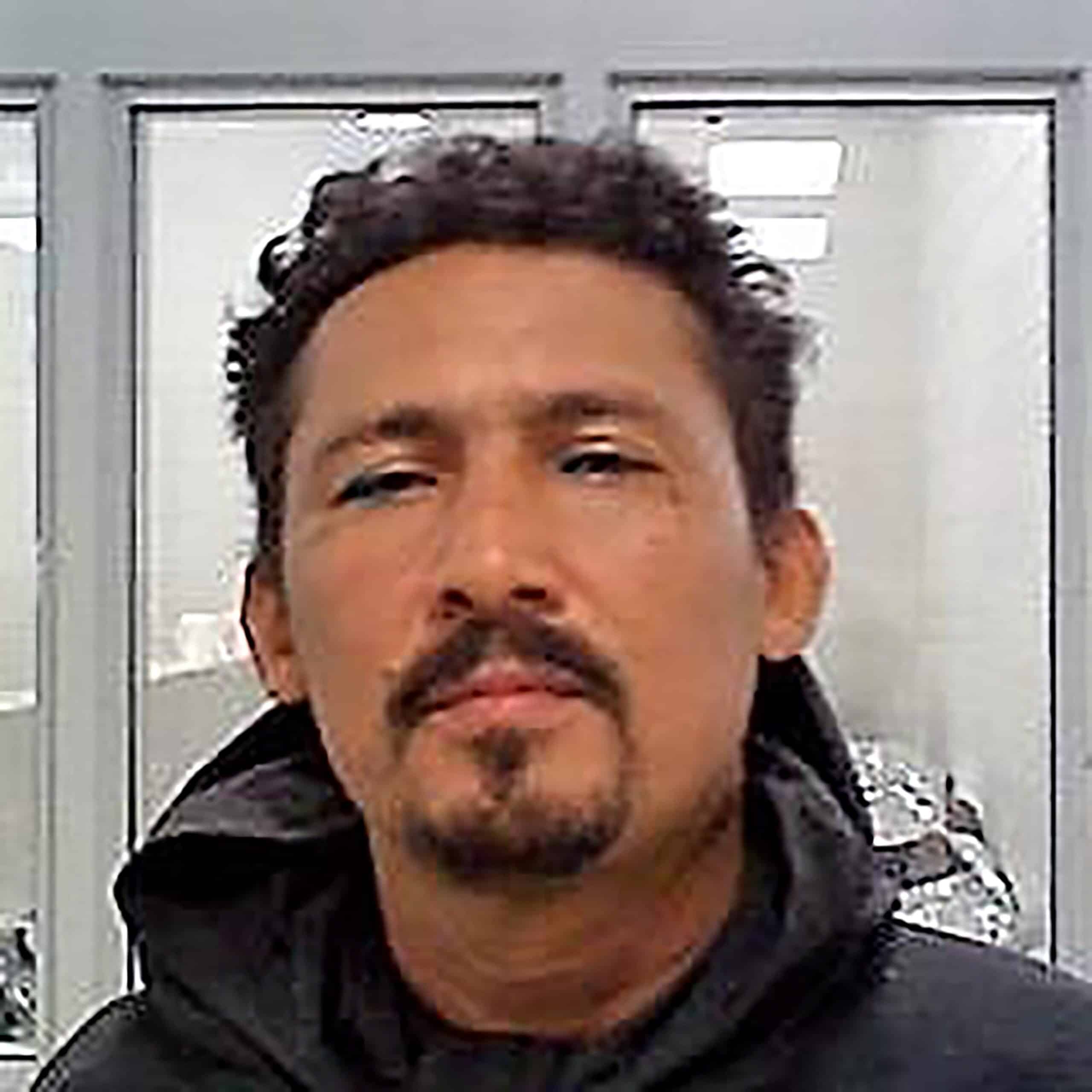
This MS-13 gang member from Honduras was arrested by Yuma Sector Border Patrol agents in Arizona, on the California border.
MS-13 was born in Los Angeles in the 1980s, created by Salvadoran immigrants escaping civil war. Since then, it has grown into a transnational gang known for extreme violence. In California, MS-13 is active in Los Angeles, parts of the Bay Area, and the Central Valley. Members have been tied to brutal murders, extortion, and trafficking operations. But despite its reputation, MS-13’s influence in California has waned in recent years thanks to targeted federal and state prosecutions. Many of the gang’s original leaders are now behind bars or deported, though local cells still operate at a smaller scale.
5. The Bloods and the Crips
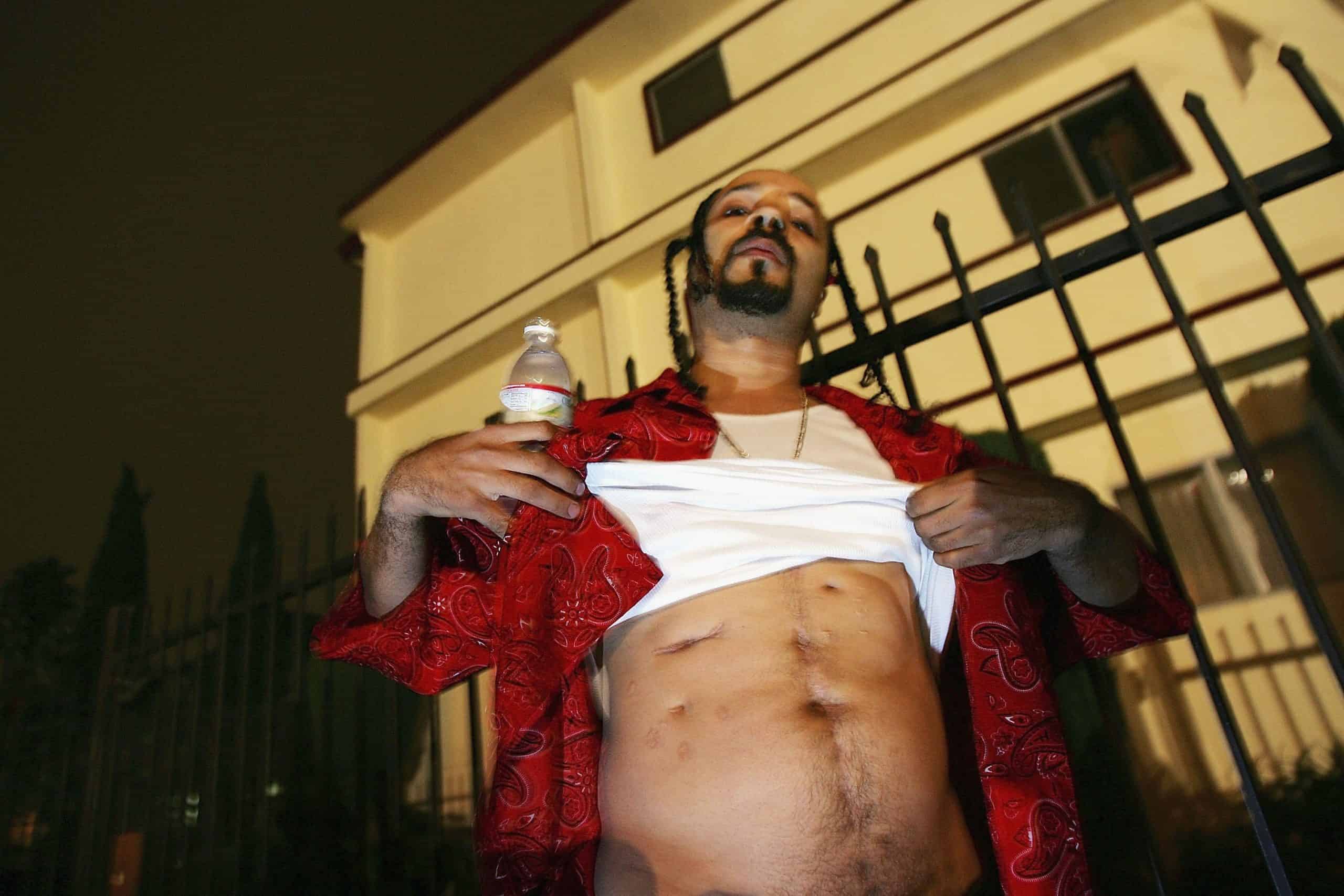
Few gang rivalries are as well-known—or misunderstood—as the one between the Bloods and Crips. Both groups formed in Los Angeles in the late ‘60s and early ‘70s, originally to protect their communities. But as they fractured into hundreds of independent “sets,” turf wars and drug-fueled violence quickly escalated. Today, some of these sets are involved in white-collar crime, including fraud and cyber theft. Others remain steeped in the street-level violence of their early days. Their colors (red for Bloods, blue for Crips) and symbols are still potent markers of identity in many L.A. neighborhoods. While their influence has spread nationally, California remains their home base—and the site of their most entrenched conflicts.
6. The 18th Street Gang
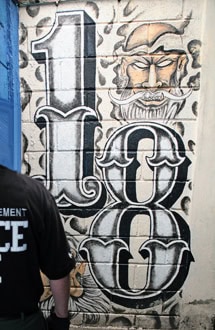
Graffiti tag of the 18th Street gang.
Often called Barrio 18, the 18th Street Gang is one of the largest and most loosely organized gangs in California. Originally formed in Los Angeles by Mexican and Central American youths, it now has thousands of members across the U.S. and Latin America. Barrio 18 is involved in a wide array of crimes: drug trafficking, robbery, human smuggling, and violent attacks on rivals. Their structure is fluid, allowing them to absorb new members quickly—particularly from immigrant communities and vulnerable youth. That adaptability makes them hard to target and even harder to eradicate.
Public Fear vs. Data: How Bad Is It, Really?

Gangs are undeniably a threat—especially in neighborhoods already dealing with poverty, racial inequities, and underfunded schools. But the way they’re talked about in political debates and media coverage often paints a skewed picture. Contrary to the impression that the state’s crime rate is driven by foreign criminal gangs, the California Legislative Analyst’s Office reported in 2023 that recent immigrants are statistically less likely to commit crimes than U.S.-born citizens. The state’s overall violent crime rate has bounced up and down, with no consistent correlation to immigration or gang activity. That’s not to say gang crime is disappearing. It’s not. But it’s more stable—and often more localized—than political rhetoric implies.
How California Fights Back

President Joe Biden presents the Medal of Freedom to Father Greg Boyle in 2024. Father Boyle is a Jesuit Catholic priest who is the founder and director of Homeboy Industries, the world’s largest gang-intervention and rehabilitation program.
Every level of law enforcement is involved in combating gang activity. Local police departments have dedicated gang units. State and federal agencies run joint task forces. The state Attorney General’s office maintains a database of gang activity called CalGang to help law enforcement get a clearer picture of what is going on with gangs and coordinate responses across jurisdictions. Some of the most impactful arrests in recent years have resulted from long-term surveillance and undercover stings.
However, California has tried to broaden its combat of gangs to a more layered strategy combining suppression with prevention. That means community outreach, mental health support, and school-based interventions are being treated as seriously as gang sweeps. Partnerships with nonprofits have also been an important part of California’s gang prevention strategies. Programs like Homeboy Industries in Los Angeles provide job training and counseling to former gang members. “Violence interrupters”—former gang members now working to mediate disputes—are active in cities like San Jose and Sacramento. These programs focus on breaking cycles, not just punishing behavior.
A Larger Truth Behind the Headlines
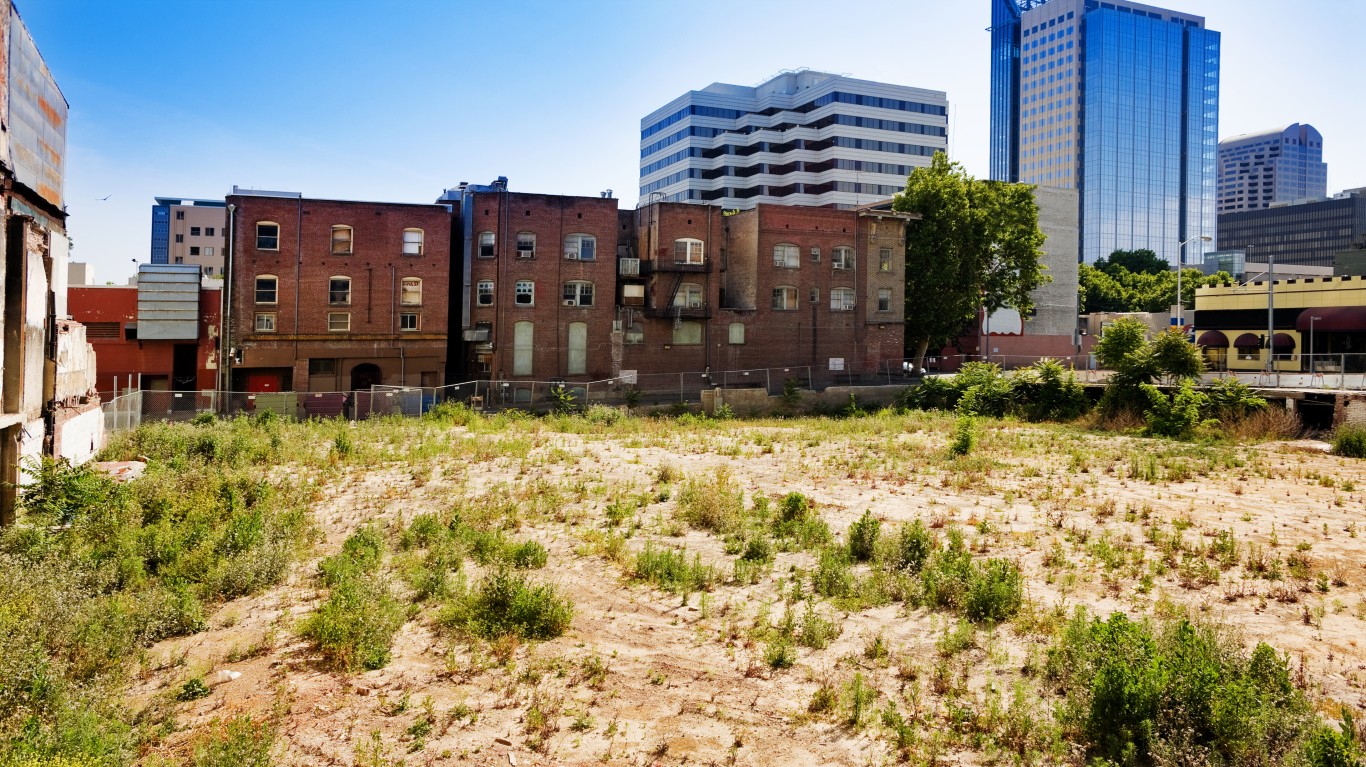
Decaying urban buildings and an empty lot in Sacramento, California.
Here’s the reality: Most Californians will never have direct contact with gang violence. The majority of gang activity is concentrated in specific urban areas and online, and targeted at rival gang members. It’s most often out of sight for the average resident or tourist. But for those living in affected neighborhoods and caught in the crossfire, the threat is real, daily, and sometimes deadly.
Still, progress is happening. Every community that invests in schools, trauma counseling, mentorship, and affordable housing is contributing to prevention. These aren’t splashy, headline-grabbing wins. They’re quiet ones. But they matter. In the long run, it’s this kind of work that actually reduces gang membership and violence—not fear or political theater.










 Top Gaining Stocks
 Top Losing Stocks