


New York City has a reputation for being larger-than-life in many areas, and that includes crime. Movies and t.v. series love to take us to the coarse streets and alleys of the city that never sleeps. In 2025, the city’s underworld isn’t just a fictional film noir trope. It’s a shifting mix of youthful street gangs, international syndicates, and retooled mafia families, all vying for territory, power, and influence across the five boroughs. So who’s running the streets now? Let’s break down the most dangerous criminal groups operating in NYC today—who they are, what they do, and what law enforcement is doing to stop them.
Crime in New York City
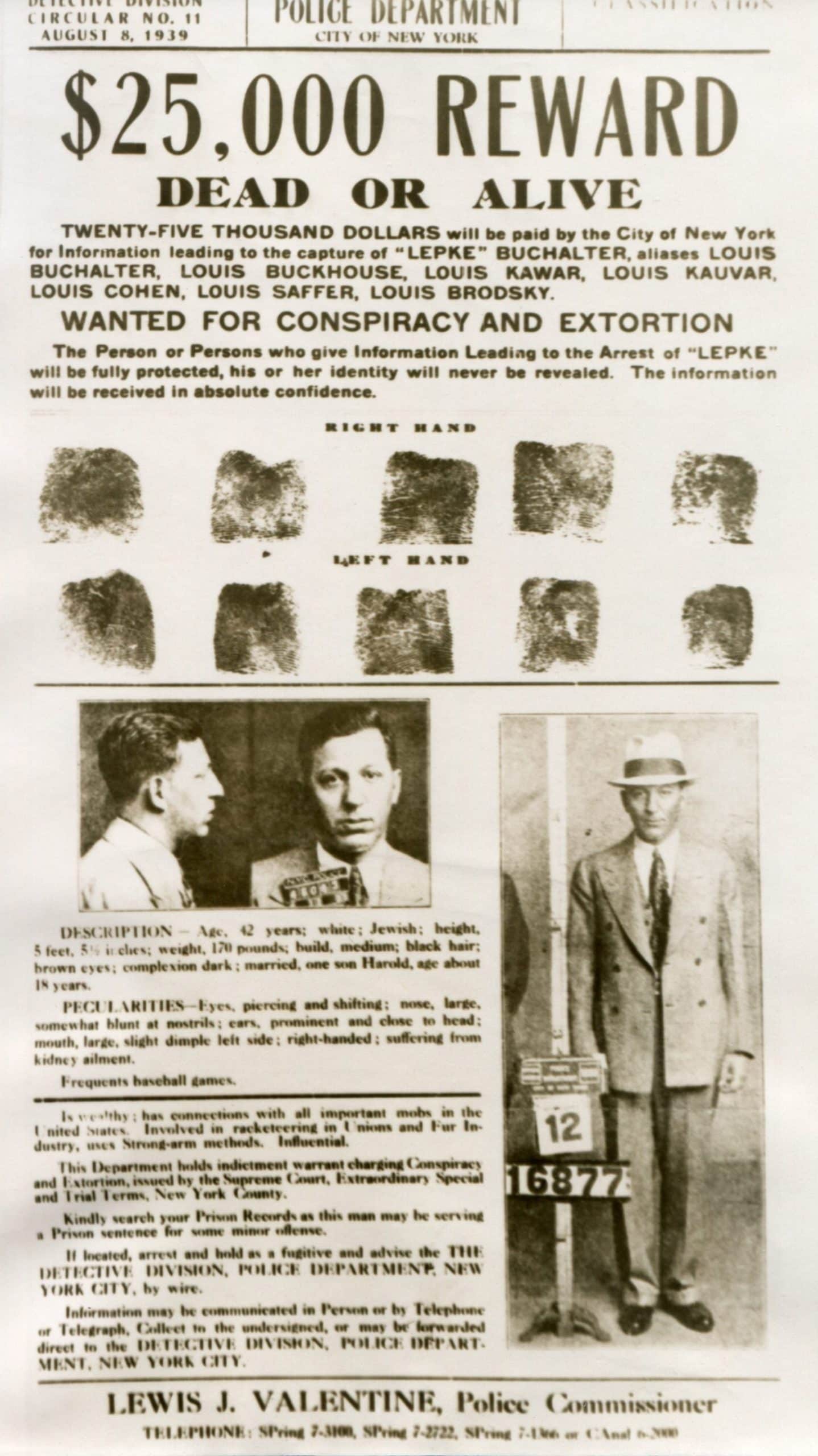
Crime in New York City is a lot different than it was a century ago. In the 1920s, Prohibition and prosperity led to a boom in organized crime—with mobsters, bootlegging gangs, and corrupt officials entrenched in the city’s culture. Violent incidents between rival gangs, Mafia hits, racketeering, and public shootouts made headlines and gave the city a dangerous reputation. Through the mid-20th century, crime rates rose and fell with the city’s changing fortunes. The 1970s and 1980s saw a spike in violent crime linked to economic struggles, drug epidemics, and urban decay. By the late 1980s and early 1990s, NYC hit its crime peak, with homicide and robbery rates at all-time highs. However, starting in the mid-1990s, focused policing strategies, community initiatives, and improved city management led to a significant drop in crime rates. In 2020, crime increased again during the COVID-19 pandemic and still haven’t recovered in all areas to 2019 levels.
A Safe City?
1. Trinitarios
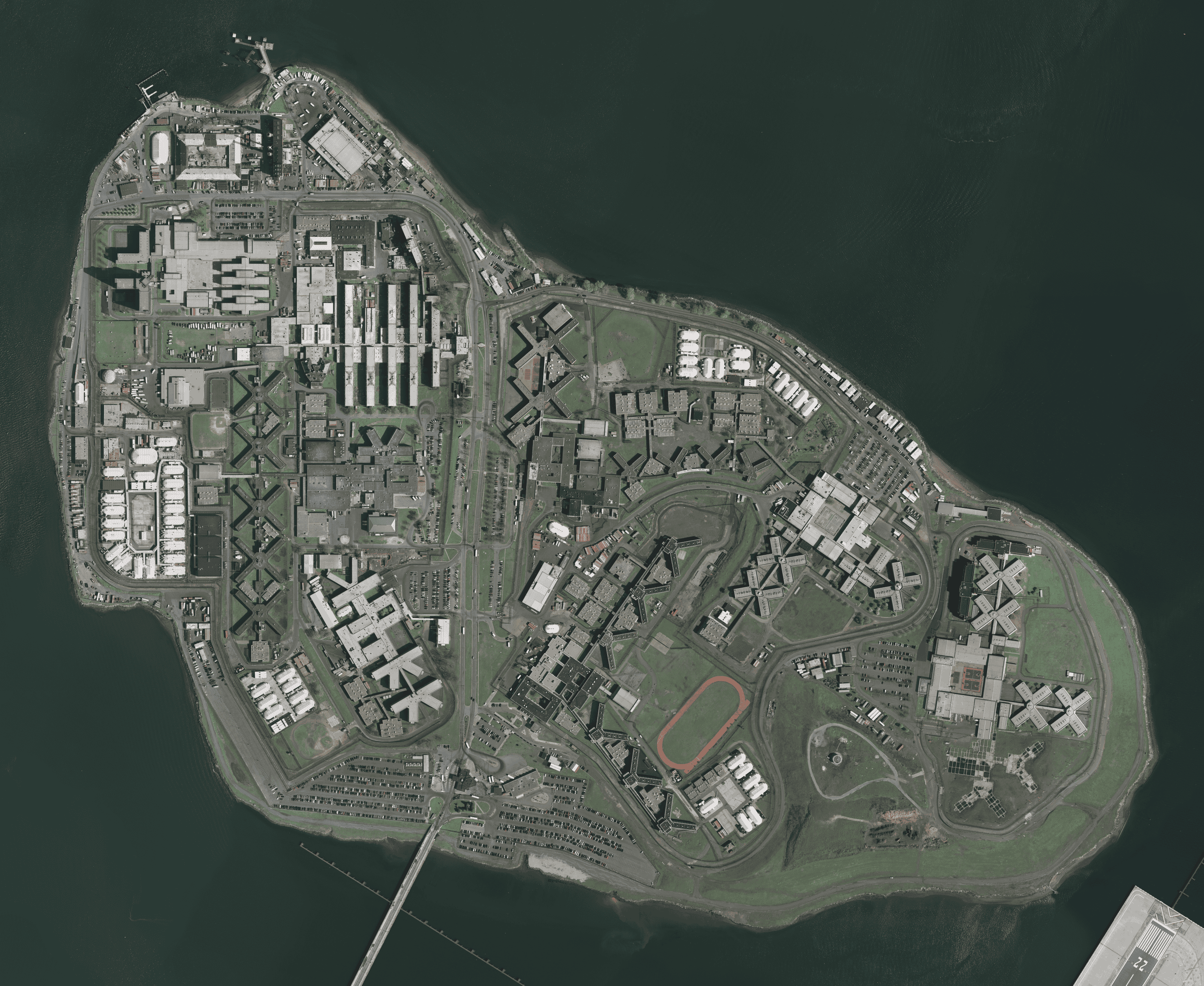
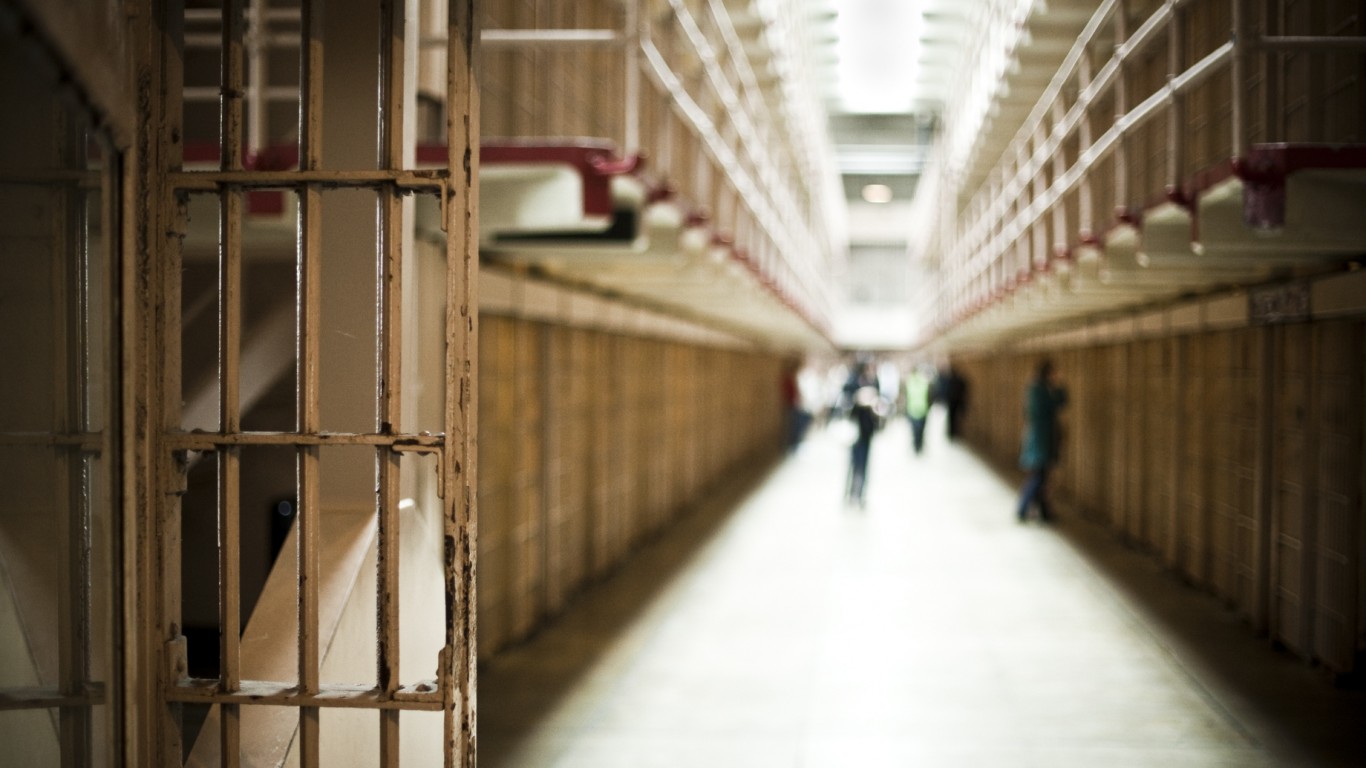
Riker’s Island, New York.
Born in the 1990s inside Rikers Island, the Trinitarios have grown into one of New York’s most violent and feared street gangs. Founded by Dominican inmates, they’ve built a reputation on brutal tactics—especially their notorious use of machetes. The 2018 killing of 15-year-old Lesandro “Junior” Guzman-Feliz in the Bronx, caught on camera outside a bodega, shocked the nation and cemented the gang’s ruthless image. In 2025, federal prosecutors and the NYPD have linked Trinitarios factions to murder, drug trafficking, stabbings in city jails, and escalating gang wars in the Bronx and upper Manhattan.
2. Road to Riches (R2R)
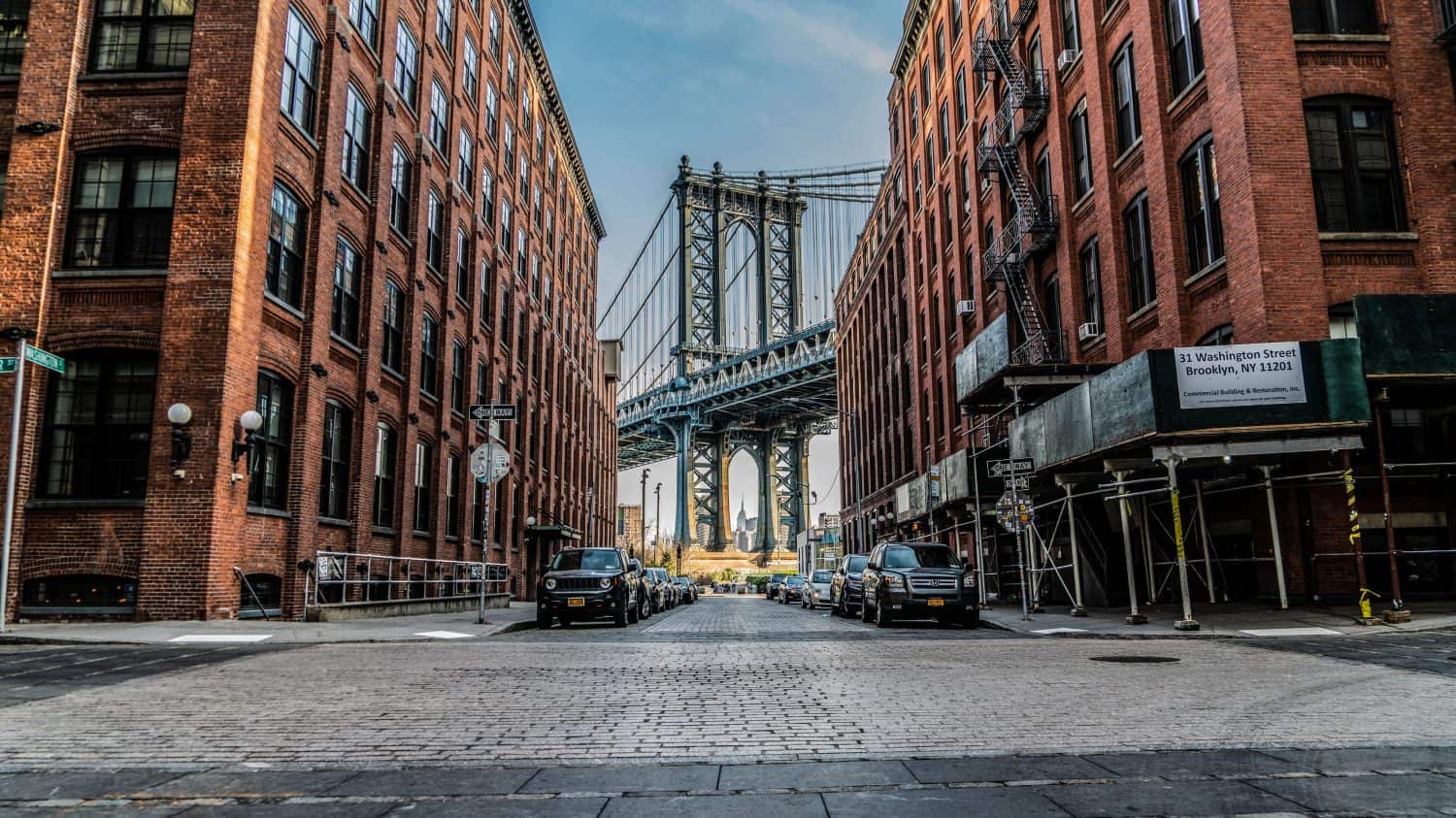
Brooklyn, New York.
Brooklyn has a home-grown gang problem in the form of Road to Riches, or R2R. This newer gang has quickly earned a reputation for extreme violence and open warfare in the streets. In 2025, nine alleged R2R members were indicted in connection with 10 shootings, including a daylight murder and multiple injuries to bystanders. New Yorkers are especially rattled by how this group shows a willingness to shoot in crowded areas without care for who may be caught in the crossfire. R2R is tangled in turf battles with rivals like “Pistol Packin’ Pitkin,” “WOOO,” and “CHOO Folk Nation.” The feuds have turned parts of Brooklyn into war zones, prompting major crackdowns, gun seizures, and citywide arrests.
3-4. 9Raq and Thirdside
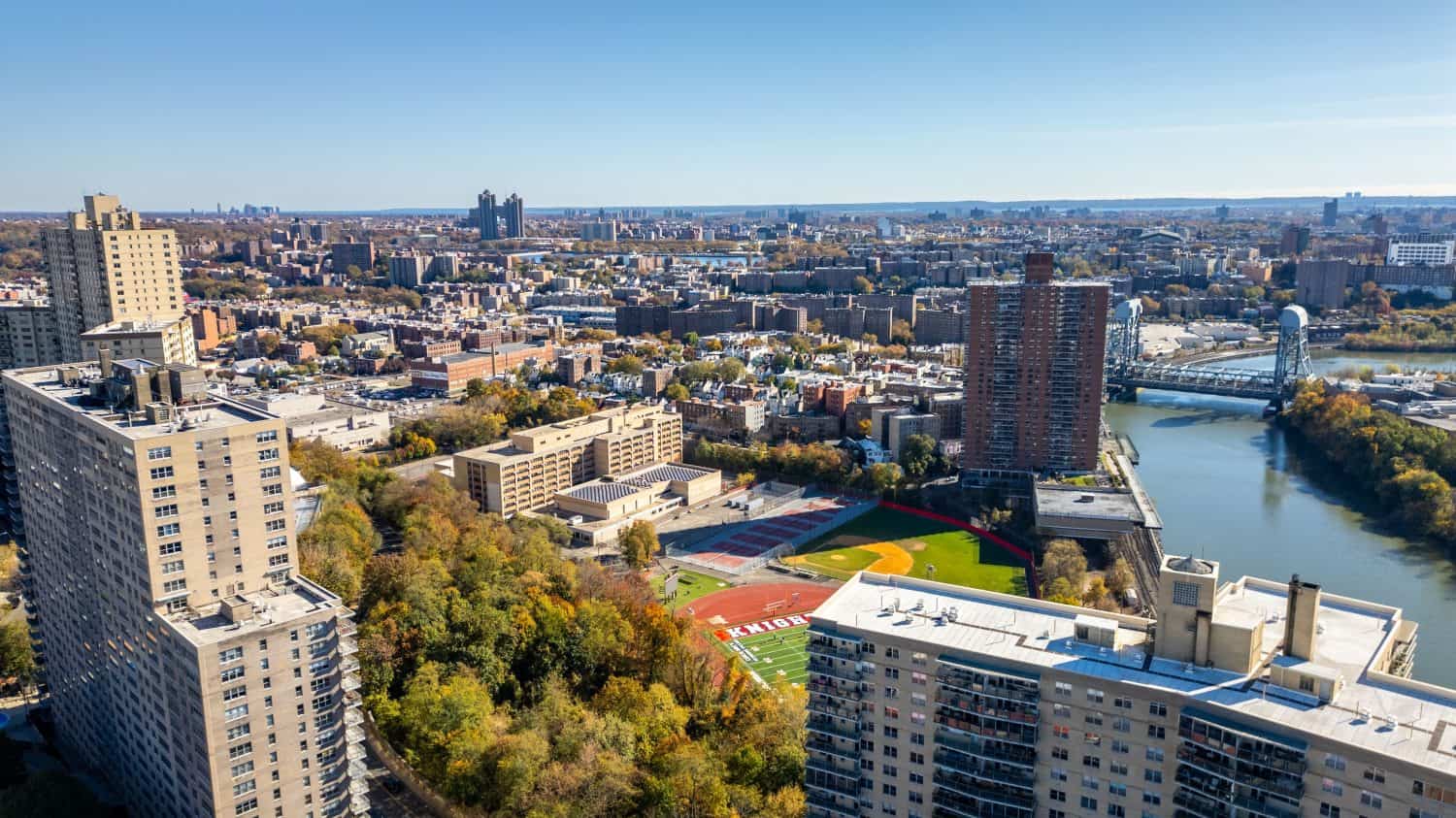
The Bronx, New York.
In the Bronx, 9Raq and Thirdside have terrorized neighborhoods like Claremont and Belmont. In June 2025, 19 members and associates were indicted for one murder and 12 separate shootings—many carried out in broad daylight and injuring innocent bystanders who were in the wrong place at the wrong time. It’s especially disheartening that these crews exert such a pull on teenagers.
5-6. Wuski and LA World
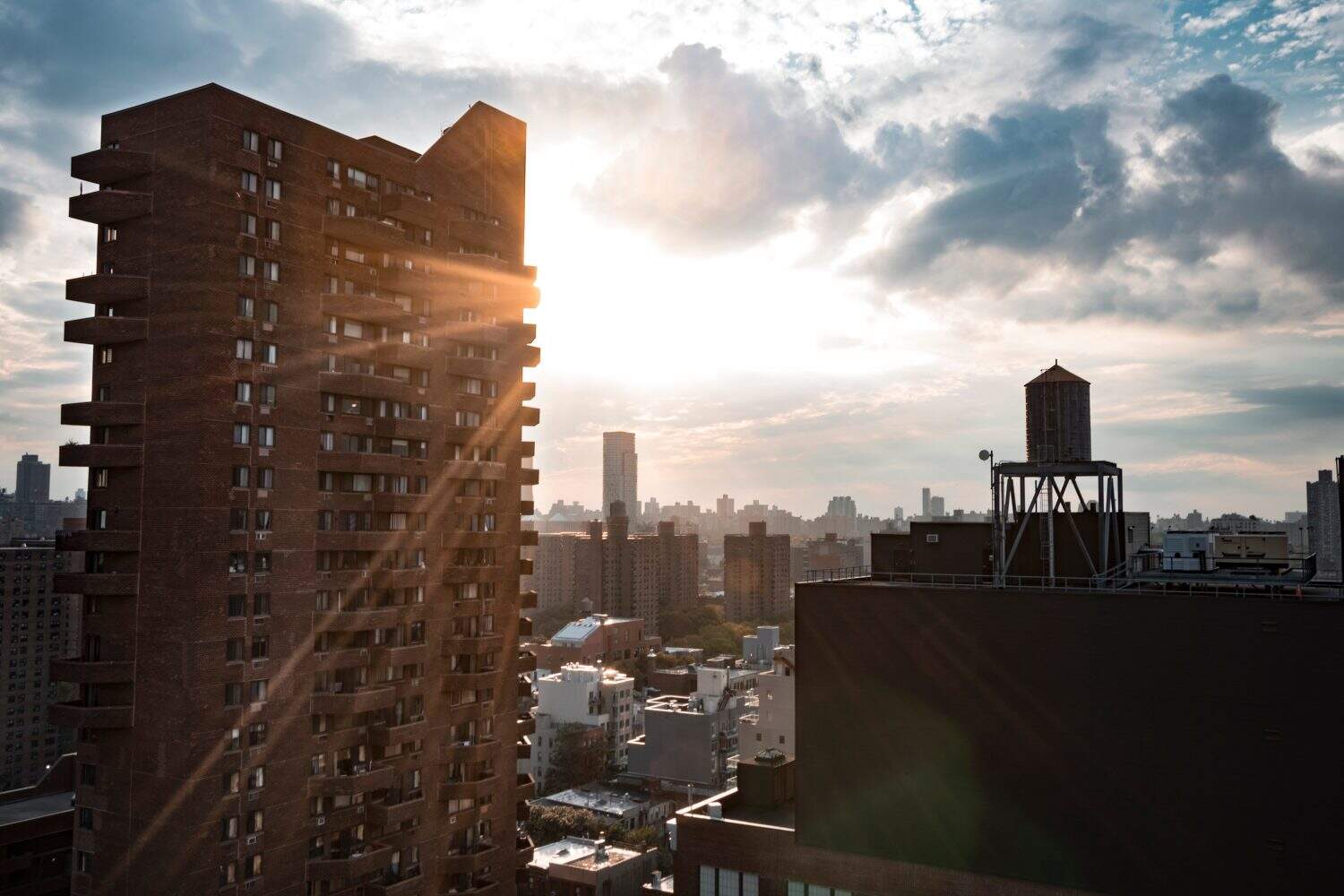
East Harlem, New York.
A feud between two East Harlem gangs—Wuski and LA World—turned deadly in 2024, culminating in 21 shootings over just six months. Half of all gun violence in that precinct during that time was linked to this rivalry. Thirteen of the 16 people charged were minors. This wasn’t just back-alley violence. Gunfire erupted in playgrounds, housing courtyards, and packed sidewalks. Extreme violence like this is often retaliation for previous killings or perceived slights.
7. MS-13
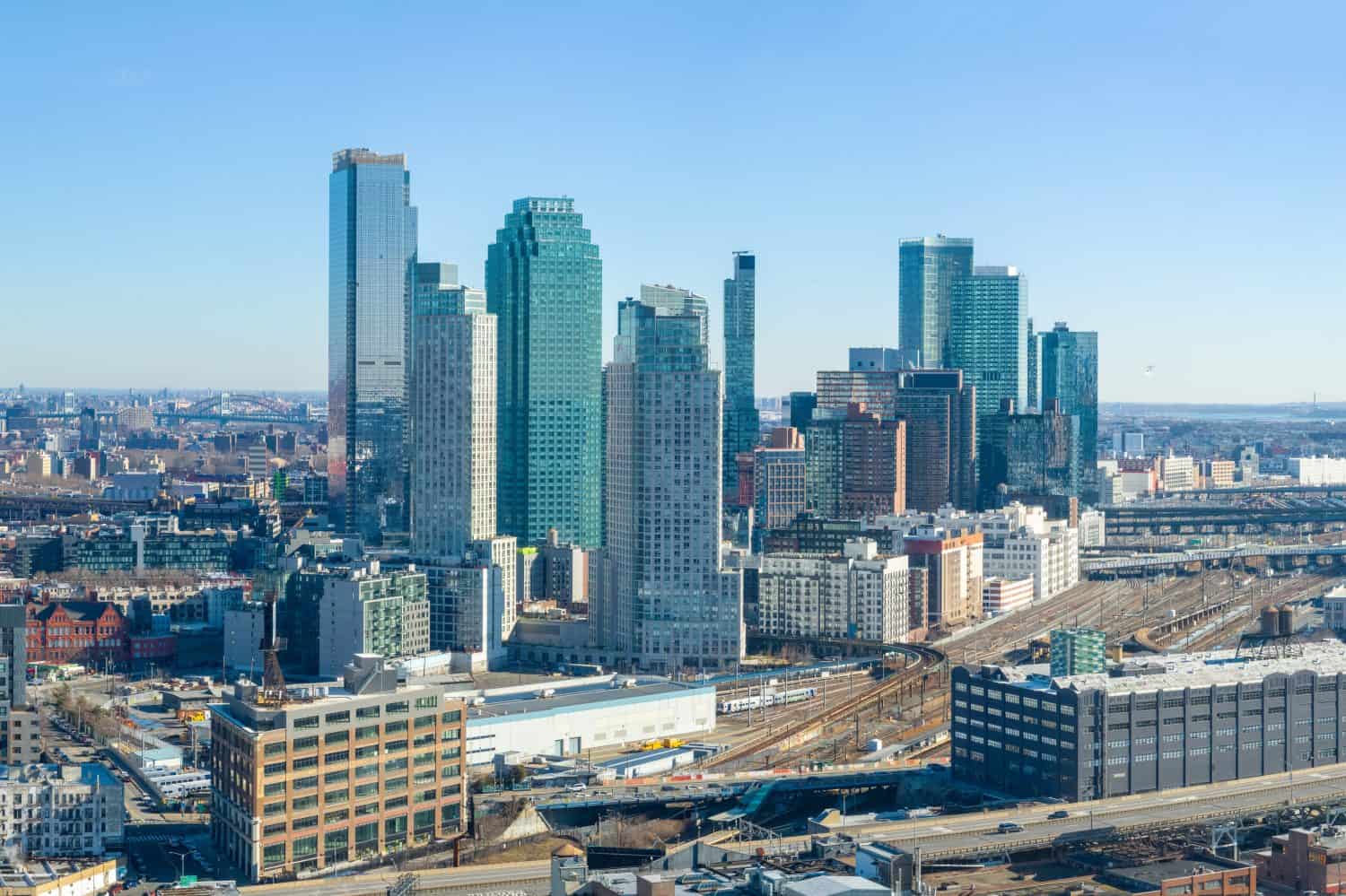
Queens, Long Island, New York.
MS-13, or Mara Salvatrucha, is most often associated with Long Island—but their reach extends deep into New York City. This brutal gang, originally from El Salvador, continues to operate with shocking levels of violence. Their tactics are often terrifying: machete killings, extortion, drug trafficking, and gangland executions. In mid-2025, a major sentencing underscored how dangerous the group remains. A federal court handed down a 68-year prison term to a New York MS-13 leader for a series of eight murders. The case served as a reminder that MS-13 still has an active, lethal presence in city neighborhoods and correctional facilities.
8. The Traditional Mafia

Genovese, Gambino, Lucchese, Bonanno, and Colombo
The heyday of the American mafia might seem like a thing of the past, but New York’s Five Families are still very much in business. While their public image has faded and their tactics have evolved, these mafia clans continue to profit from more discreet criminal enterprises.
Today’s mob focuses less on flashy hits and more on profit: illegal gambling, loan sharking, construction fraud, labor racketeering, and money laundering. These aren’t back-alley crimes—they’re often buried inside business dealings, union contracts, and real estate development. In 2025, high-profile indictments targeted top Genovese family members involved in extortion and gambling schemes stretching from Manhattan to New Jersey and even down to Florida. Though less visible than in decades past, the Five Families maintain deep ties in certain industries and continue to wield power in quietly dangerous ways.
Young, Armed, and Dangerous

One of the most disturbing trends in New York’s current crime wave is the rising number of minors involved in shootings and gang activity. In early 2025, NYPD data showed that about 1 in 5 people wanted or arrested for shootings citywide were under the age of 18.
Why the surge? Prosecutors and police cite the collapse of older gang hierarchies and codes. Younger members are often less disciplined, more reckless, and quicker to pull the trigger. In the past, gangs might have waited for cover of night or avoided hitting bystanders. Today, shots are fired in playgrounds, apartment lobbies, and busy sidewalks—often in broad daylight.
Social media also plays a role. Online taunts, rap videos, and Instagram “beefs” frequently spill over into real-world violence. Many gangs now use digital platforms to mark territory, intimidate rivals, and recruit new members—sometimes even glorifying violence that then gets emulated by others.
Cracking Down
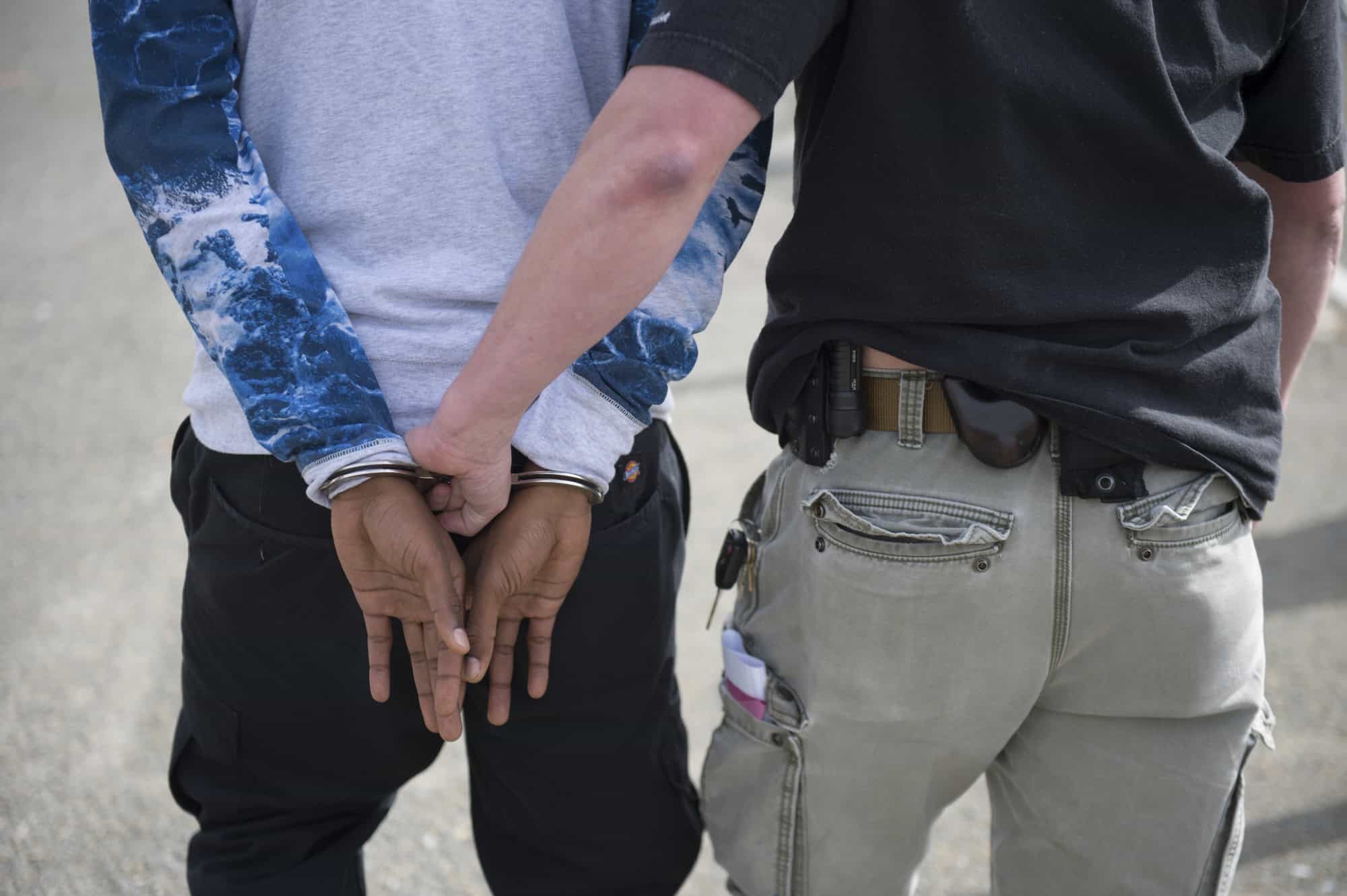
In response to the spike in gang violence, especially involving minors, the NYPD and federal law enforcement have expanded their joint efforts. Between 2024 and 2025, officials conducted dozens of targeted takedowns, resulting in hundreds of arrests and the removal of hundreds of illegal guns from the streets. Major gang conspiracy cases have allowed prosecutors to dismantle entire networks with a single sweep. These operations often take months of surveillance and involve cooperation between city, state, and federal agencies.
City leaders are also pushing broader safety initiatives. Mayor Eric Adams and Governor Kathy Hochul have backed multi-million-dollar plans that combine enforcement with community outreach, reentry support for former gang members, and educational programs designed to give young people alternatives to street life.
Even with stepped-up enforcement, many neighborhoods remain on edge. Shootings are increasingly concentrated among small groups of repeat offenders. Community advocates warn that without real investment in youth programs, mental health care, and economic opportunity, any law enforcement gains may be short-lived.
Conclusion
New York’s crime landscape in 2025 is a complex and dangerous mix of old and new. The Five Families still pull strings in the background, while younger, more impulsive gangs take center stage with violent feuds that spill into playgrounds and sidewalks. What’s clear is that organized crime hasn’t vanished—it’s just changed with the changing times. The future of New York’s safety depends not only on police work but on addressing the deeper roots of violence—poverty, youth disconnection, and the allure of gangs that promise identity and power to those who feel they have nowhere else to turn.








 Top Gaining Stocks
 Top Losing Stocks